






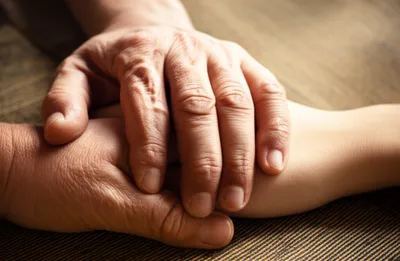
noun🔗Share포옹, 껴안음A close embrace, especially when charged with such an emotion as represented by: affection, joy, relief, lust, anger, agression, compassion, and the like, as opposed to being characterized by formality, equivocation or ambivalence (a half-embrace or "little hug")."After a long, stressful day at work, Sarah received a warm hug from her son, expressing relief and affection. "오랜 스트레스가 많은 직장 생활을 마치고, 사라는 아들로부터 따뜻한 포옹을 받으며 안도감과 애정을 표현했다.emotionactionbodyhumanfamilycommunicationmindsocietyChat with AIVocabulary GamePractice Reading
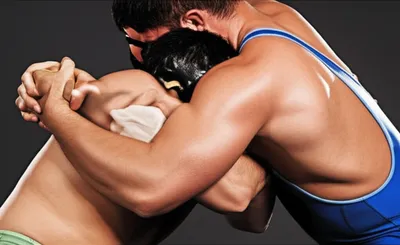
noun🔗Share잡기A particular grip in wrestling."The wrestler secured several powerful hugs on his opponent, pinning him to the mat. "레슬러는 상대에게 강력한 잡기를 여러 번 시도하여 매트에 고정시켰다.sportactionChat with AIVocabulary GamePractice Reading
verb🔗Share웅크리다, 쭈그리다To crouch; huddle as with cold."The children hugged together by the fireplace, trying to stay warm. "아이들은 따뜻하게 있으려고 벽난로 옆에 웅크렸다.bodyactionsensationChat with AIVocabulary GamePractice Reading
verb🔗Share껴안다, 포옹하다To cling closely together."The children hugged their teacher goodbye at the school gate. "아이들은 학교 정문에서 선생님께 작별 인사를 하며 껴안았다.bodyactionhumanfamilyemotionChat with AIVocabulary GamePractice Reading
verb🔗Share껴안다, 포옹하다To embrace by holding closely, especially in the arms."Billy hugged Danny until he felt better."빌리는 대니가 기분이 나아질 때까지 그를 껴안았다.bodyactionhumanpersonemotioncommunicationChat with AIVocabulary GamePractice Reading
verb🔗Share가까이 붙다, 바싹 붙다To stay close to (the shore etc.)"The small sailboat hugs the coastline to avoid the stronger currents further out. "작은 범선은 더 강한 해류를 피하기 위해 해안선에 바싹 붙어 항해한다.nauticalsailingChat with AIVocabulary GamePractice Reading
verb🔗Share껴안다, 포옹하다To hold fast; to cling to; to cherish."The little girl hugs her teddy bear tight when she feels scared. "어린 소녀는 무서움을 느낄 때 테디 베어를 꼭 껴안는다.familyactionemotionhumanChat with AIVocabulary GamePractice Reading