

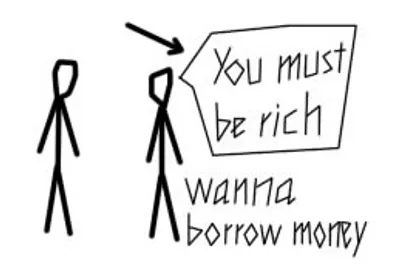
noun🔗Share빈정거림, 암시A derogatory hint or reference to a person or thing. An implication, intimation or insinuation."She made a devious innuendo about her husband, who was embarrassed."그녀는 당황한 남편에 대해 교활한 빈정거림을 했다.communicationlanguagecharacterwordsocietyChat with AIVocabulary GamePractice Reading
noun🔗Share빈정거림, 풍자A rhetorical device with an omitted, but obvious conclusion, made to increase the force of an argument."During the school debate, Sarah used an innuendo about her opponent's lack of research, implying that their arguments were weak. "학교 토론에서 사라가 상대방의 연구 부족에 대한 빈정거림을 사용하여 그들의 주장이 약하다는 것을 암시했다.languagecommunicationliteraturewritingChat with AIVocabulary GamePractice Reading
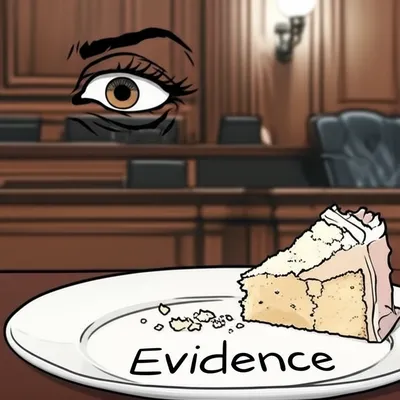
noun🔗Share풍자, 비꼬는 말Part of a pleading in cases of libel and slander, pointing out what and whom was meant by the libellous matter or description."The innuendo in the letter to the editor clearly pointed to the specific teacher, not the whole department, as the subject of the criticism. "편집자에게 보낸 편지의 풍자는 비판의 대상이 전체 부서가 아닌 특정 교사임을 분명히 지적했다.lawlanguagecommunicationmediaChat with AIVocabulary GamePractice Reading
verb🔗Share비꼬다, 암시하다To interpret (something libellous or slanderous) in terms of what was implied."The teacher innuendoed the student's comments about the test, interpreting them as a complaint about the teacher's teaching methods, even though the student had only been suggesting a few questions were unclear. "선생님은 시험에 대한 학생의 발언을 비꼬아, 학생이 몇몇 질문이 불분명하다고 암시했을 뿐인데도, 그것을 선생님의 수업 방식에 대한 불만으로 해석했다.communicationlanguagewordsocietystatementlawactionChat with AIVocabulary GamePractice Reading