


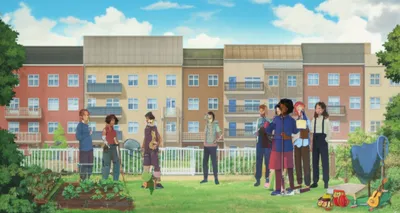

noun🔗Share남자, 사람(singular) A man; person.""The lede at the bus stop offered the elderly woman his seat." "버스 정류장의 남자가 노부인에게 자리를 양보했다.personhumanbeingChat with AIVocabulary GamePractice Reading
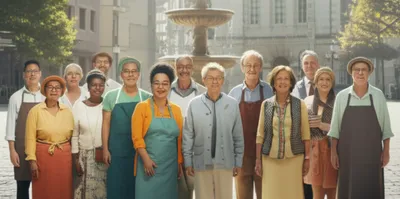
noun🔗Share사람들, 민중(collective plural) Men; people, folk."The entire lede in our village helped build the new community center. "우리 마을의 모든 사람들이 새로운 커뮤니티 센터를 짓는 것을 도왔다.personhumangroupChat with AIVocabulary GamePractice Reading
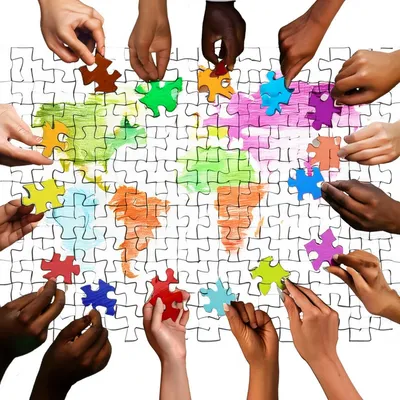
noun🔗Share민족, 국민(singular) A people or nation."The lede of the United States is diverse, with people from all over the world contributing to its culture. "미국 국민은 다양하며, 전 세계에서 온 사람들이 그 문화에 기여합니다.nationgroupChat with AIVocabulary GamePractice Reading
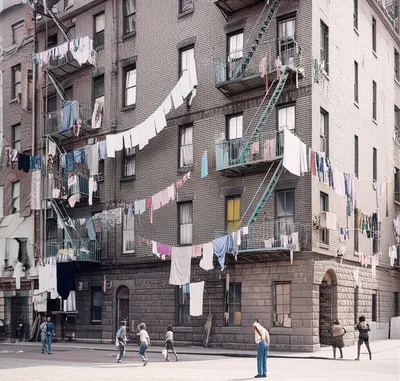
noun🔗Share세입지, 소유물(plural) Tenements; holdings; possessions.""The king surveyed his lede, the vast lands and castles that represented his power and wealth." "왕은 자신의 소유물, 즉 그의 권력과 부를 나타내는 광대한 토지와 성을 둘러보았다.propertyassetChat with AIVocabulary GamePractice Reading
noun🔗Share머릿문단, 서두(chiefly US) The introductory paragraph(s) of a newspaper or other news article."The lede of the article about the school bake sale highlighted how the proceeds would help fund the class trip. "학교 빵 판매에 대한 기사의 머릿문단은 수익금이 어떻게 학급 여행을 지원하는지 강조했다.mediawritinglanguagecommunicationChat with AIVocabulary GamePractice Reading