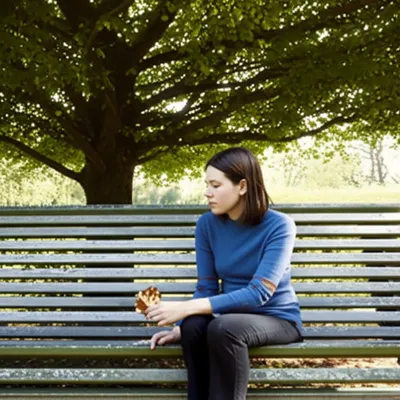


verb🔗Share머물다, 맴돌다To stay or remain in a place or situation, especially as if unwilling to depart or not easily able to do so; to loiter."After the concert, many fans were lingering outside the venue, hoping to catch a glimpse of the band. "콘서트 후, 많은 팬들이 밴드를 보려고 공연장 밖에서 머물렀다.situationtimeplaceChat with AIVocabulary GamePractice Reading
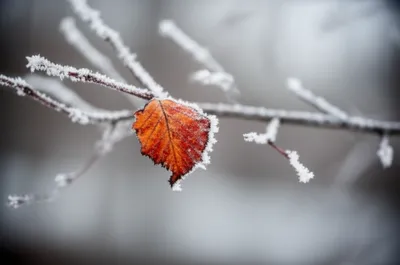
verb🔗Share서서히 죽어가다, 쇠퇴하다To remain alive or existent although still proceeding toward death or extinction; to die gradually."The old tree in our backyard, struck by lightning last summer, is still lingering, its branches bare and brittle. "지난 여름 번개를 맞은 우리 뒷마당의 늙은 나무는 여전히 서서히 죽어가고 있으며, 가지는 앙상하고 부서지기 쉽습니다.timebiologymedicineconditionbeingprocessChat with AIVocabulary GamePractice Reading
verb🔗Share숙고하다, 곰곰이 생각하다(often followed by on) To consider or contemplate for a period of time; to engage in analytic thinking or discussion."The student was lingering on the difficult math problem, hoping to find a solution. "그 학생은 해결책을 찾기 위해 어려운 수학 문제를 곰곰이 생각하고 있었다.mindphilosophybeingChat with AIVocabulary GamePractice Reading
noun🔗Share머무름, 지체An act of lingering or waiting."The student's lingering by the door after class suggested they had a question for the teacher. "수업 후 문가에 머무르는 학생의 모습은 그가 선생님께 질문이 있다는 것을 암시했다.actiontimeChat with AIVocabulary GamePractice Reading
noun🔗Share잔존물, 남은 것That which lingers; a remnant."After the construction crew finished building the new house, a lingering of sawdust and scraps remained on the lawn. "건설팀이 새 집을 짓는 것을 끝낸 후, 잔디밭에는 톱밥과 스크랩의 잔존물이 남아 있었다.abstractthingtimeconditionChat with AIVocabulary GamePractice Reading