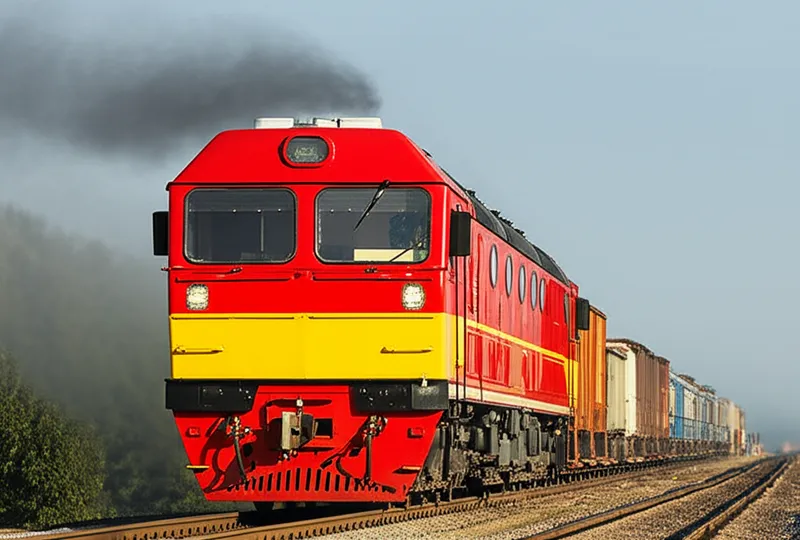


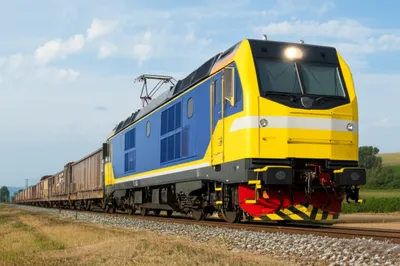
noun🔗Share기관차The power unit of a train that pulls the coaches or wagons."The locomotive chugged, pulling the train full of students to their school. "기관차가 칙칙거리며 학생들로 가득 찬 기차를 학교로 끌고 갔다.vehiclemachinetechnologyChat with AIVocabulary GamePractice Reading
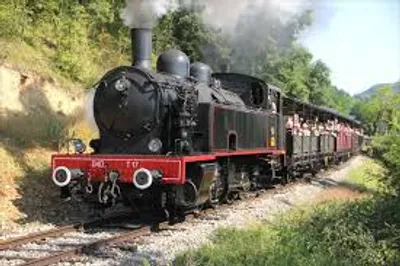
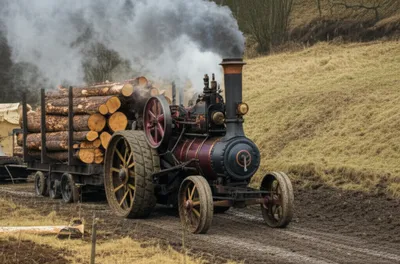
noun🔗Share기관차A traction engine"The locomotive pulled the long line of train cars up the steep hill. "기관차가 긴 기차 차량들을 가파른 언덕 위로 끌어 올렸다.vehiclemachinetechnologyChat with AIVocabulary GamePractice Reading
noun🔗Share느린 시작과 점진적인 속도 증가가 특징인 응원A cheer characterized by a slow beginning and a progressive increase in speed"The team started a slow locomotive cheer, gradually getting louder and faster to show their support. "팀은 느린 응원을 시작하여 점차 커지고 빨라지면서 그들의 지지를 보여주었다.musicentertainmentsportsoundgroupChat with AIVocabulary GamePractice Reading
noun🔗Share원동력, 주도국A country which drives the world economy by having a high level of imports. (i.e. The United States)."The United States, as a major locomotive of the global economy, imports many goods from other countries. "세계 경제의 주요 원동력인 미국은 다른 국가에서 많은 상품을 수입합니다.worldeconomybusinessnationChat with AIVocabulary GamePractice Reading
adjective🔗Share이동과 관련된Of or relating to locomotion"The locomotive power of the school's new sports program energized the students. "학교의 새로운 스포츠 프로그램의 이동과 관련된 힘은 학생들에게 활력을 불어넣었다.vehiclemachinetechnologyChat with AIVocabulary GamePractice Reading
adjective🔗Share기관차의Of or relating to the power unit of a train which does not carry passengers or freight itself"The train yard worker inspected the locomotive engine for any damage before its next run. "기차역 직원은 다음 운행 전에 기관차 엔진에 손상이 있는지 점검했다.vehicletechnicalmachineindustryChat with AIVocabulary GamePractice Reading