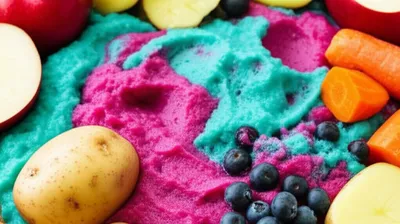
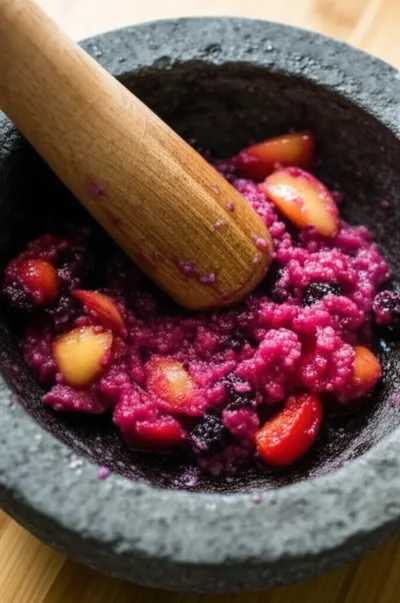
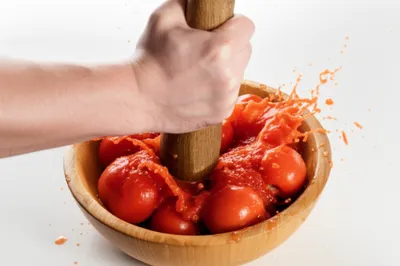
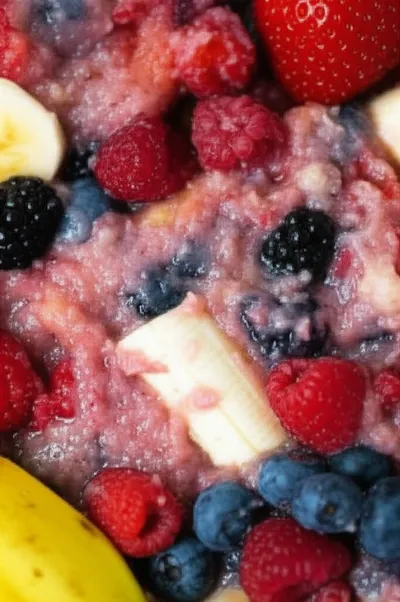
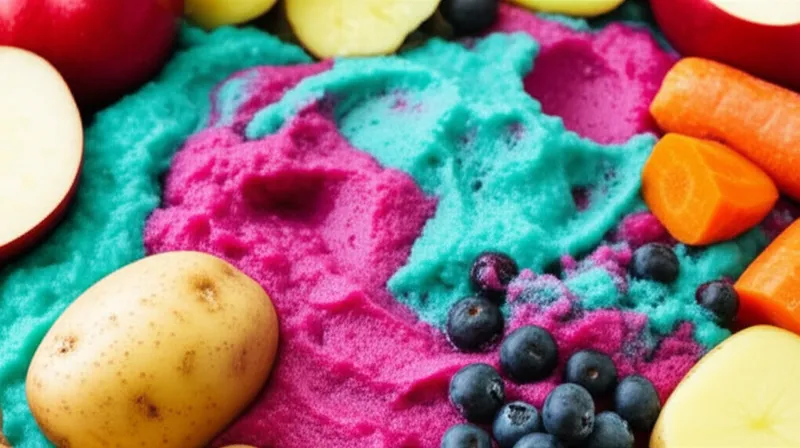
noun 다운로드 🔗공유 으깬 것, 으깸 A mass of mixed ingredients reduced to a soft pulpy state by beating or pressure; a mass of anything in a soft pulpy state. Examples : "The mashed potatoes were too cold for dinner. " 으깬 감자가 저녁 식사로 먹기에는 너무 차가웠다. food substance mass AI와 채팅어휘 게임독해 연습
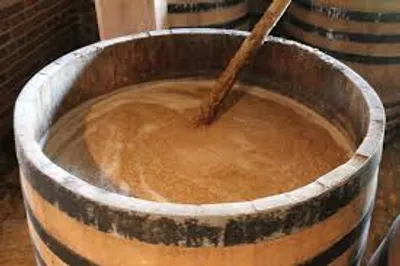
noun 다운로드 🔗공유 매시 Ground or bruised malt, or meal of rye, wheat, corn, or other grain (or a mixture of malt and meal) steeped and stirred in hot water for making the wort. Examples : "The brewer carefully measured the mash for the new batch of beer. " 양조업자는 새로운 맥주 배치를 위해 매시를 조심스럽게 측정했습니다. food drink agriculture chemistry AI와 채팅어휘 게임독해 연습
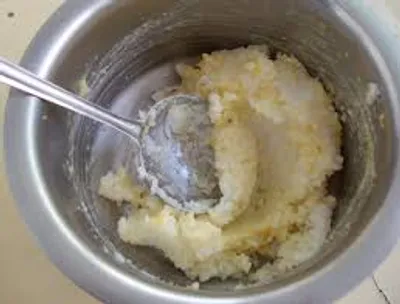
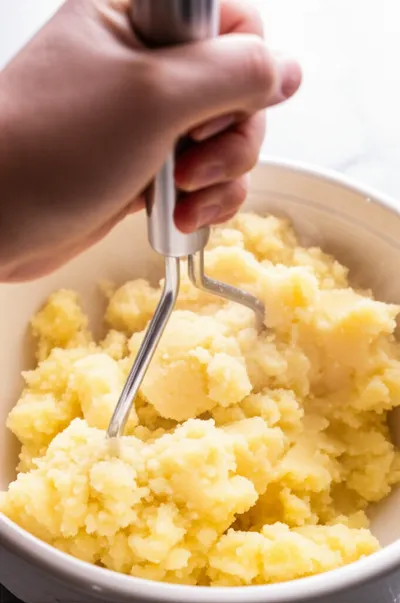
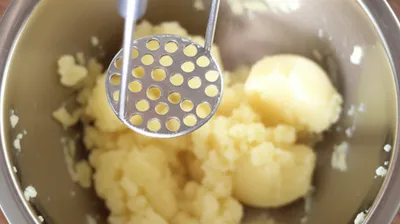
noun 다운로드 🔗공유 으깬 감자 Mashed potatoes. Examples : "For dinner, we had a delicious bowl of mash. " 저녁으로 우리는 맛있는 으깬 감자 한 그릇을 먹었습니다. food vegetable AI와 채팅어휘 게임독해 연습
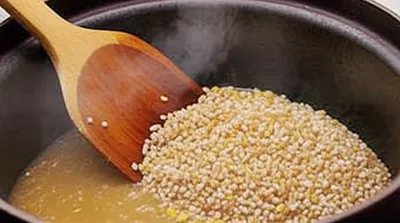
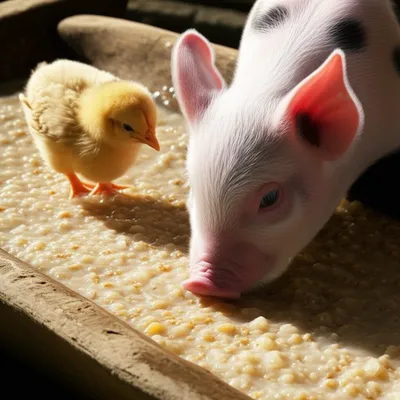
noun 다운로드 🔗공유 죽 A mixture of meal or bran and water fed to animals. Examples : "The farmer gave the pigs a generous portion of mash for breakfast. " 농부는 돼지들에게 아침 식사로 넉넉한 양의 죽을 주었다. animal food agriculture AI와 채팅어휘 게임독해 연습
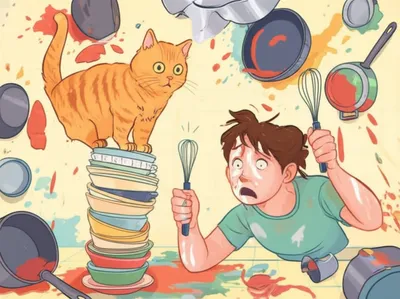
noun 다운로드 🔗공유 엉망진창, 문제 A mess; trouble. Examples : "The argument between the siblings created a real mash at the dinner table. " 형제자매 간의 말다툼은 저녁 식탁에서 진짜 엉망진창을 만들었다. situation disaster AI와 채팅어휘 게임독해 연습
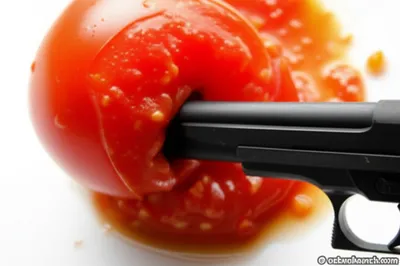
noun 다운로드 🔗공유 총, 권총 A gun. Examples : "My grandfather kept his prized antique mash in a safe at the gun range. " 할아버지는 소중한 골동품 권총을 사격장의 금고에 보관하셨다. weapon AI와 채팅어휘 게임독해 연습
verb 다운로드 🔗공유 으깨다, 짓이기다 To convert into a mash; to reduce to a soft pulpy state by beating or pressure Examples : "The potatoes need to be mashed." 감자를 으깨야 한다. food process AI와 채팅어휘 게임독해 연습
verb 다운로드 🔗공유 매싱하다 In brewing, to convert (for example malt, or malt and meal) into the mash which makes wort. Examples : "The brewer mashed the barley malt to create the liquid wort for the beer. " 양조업자는 맥주를 만들기 위해 보리 맥아를 매싱하여 액체 맥아즙을 만들었다. drink food process industry AI와 채팅어휘 게임독해 연습
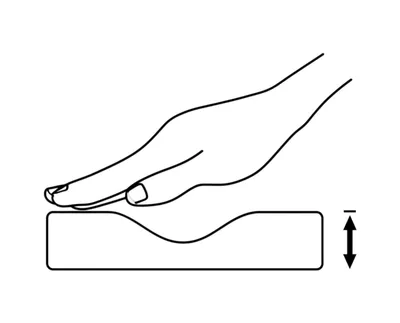
verb 다운로드 🔗공유 으깨다, 짓누르다 To press down hard (on). Examples : "to mash on a bicycle pedal" 자전거 페달을 으깨다. food utensil action AI와 채팅어휘 게임독해 연습
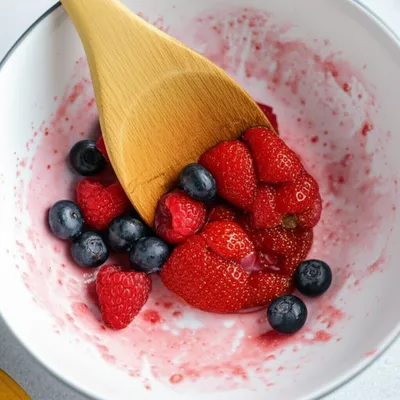
verb 다운로드 🔗공유 으깨다, 짓누르다 To press. Examples : "I used a fork to mash the soft banana for the baby. " 아기를 위해 부드러운 바나나를 으깨기 위해 포크를 사용했다. food utensil action AI와 채팅어휘 게임독해 연습
verb 다운로드 🔗공유 차를 우려내다 To prepare a cup of tea in a teapot; to brew (tea). Examples : "Grandma mashed the tea leaves in her teapot to make a strong cup of tea for everyone. " 할머니는 모두를 위해 진한 차를 만들기 위해 찻주전자에 찻잎을 우려냈다. drink food utensil AI와 채팅어휘 게임독해 연습
verb 다운로드 🔗공유 때리다, 치다 To act violently. Examples : "The angry student massed the papers on the teacher's desk. " 화가 난 학생은 선생님 책상 위의 종이를 때렸다. action war AI와 채팅어휘 게임독해 연습
noun 다운로드 🔗공유 으깸, 짓이김 A mesh. Examples : "The construction workers used a strong mash to sift through the gravel, separating the large rocks from the finer sand. " 건설 노동자들은 굵은 자갈에서 고운 모래를 분리하기 위해 튼튼한 으깸을 사용하여 걸렀습니다. material structure AI와 채팅어휘 게임독해 연습
noun 다운로드 🔗공유 반함, 호감 An infatuation, a crush, a fancy Examples : ""She has a big mash on the new student in her class." " 그녀는 반에 새로 온 학생에게 푹 빠졌다. emotion mind human AI와 채팅어휘 게임독해 연습
noun 다운로드 🔗공유 멋쟁이, 바람둥이 A dandy, a masher Examples : "That new student, a real mash, is quite the ladies' man at school. " 그 새 학생, 진짜 멋쟁이는 학교에서 여자들에게 인기가 많다. appearance style person AI와 채팅어휘 게임독해 연습
noun 다운로드 🔗공유 애인, 연인 The object of one’s affections (either sex) Examples : "My little sister's mash is the popular boy in her class. " 내 여동생의 애인은 반에서 인기 있는 남자애야. person sex human attitude emotion AI와 채팅어휘 게임독해 연습
verb 다운로드 🔗공유 추파를 던지다, 수작을 걸다 To flirt, to make eyes, to make romantic advances Examples : "At the school dance, Sarah mashed on the new boy in her class. " 학교 댄스 파티에서 사라가 같은 반 새 남자애에게 추파를 던졌다. communication action human sex AI와 채팅어휘 게임독해 연습