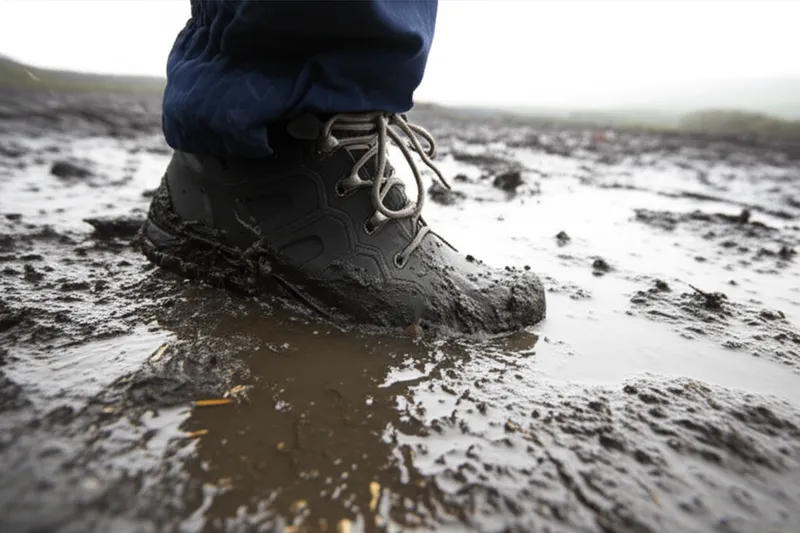


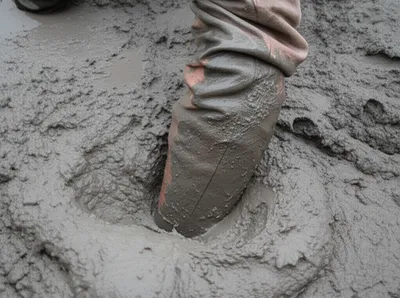
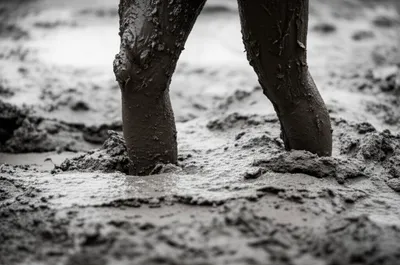
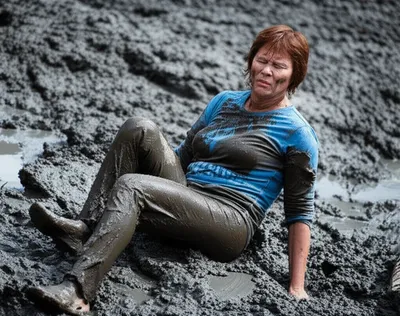
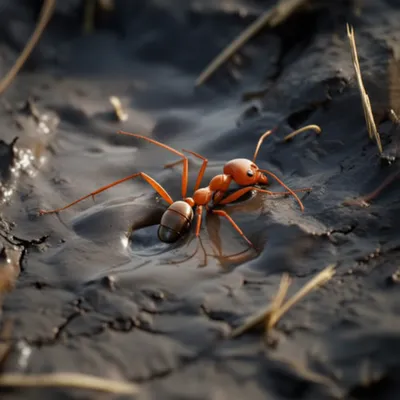
noun🔗Share진흙, 수렁Deep mud; moist, spongy earth."The children struggled to walk through the mire after the heavy rain. "아이들은 폭우 후 진흙탕을 헤쳐 나가느라 고생했다.natureenvironmentgeologygeographyChat with AIVocabulary GamePractice Reading
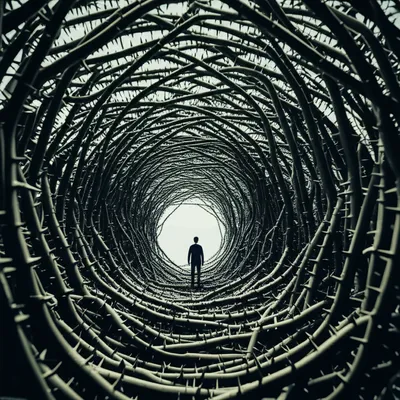
noun🔗Share곤경, 궁지An undesirable situation, a predicament."After making a series of bad financial decisions, he found himself in a mire of debt. "일련의 잘못된 재정적 결정을 내린 후, 그는 빚의 곤경에 처하게 되었다.situationconditionChat with AIVocabulary GamePractice Reading
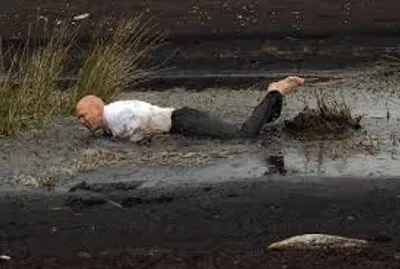
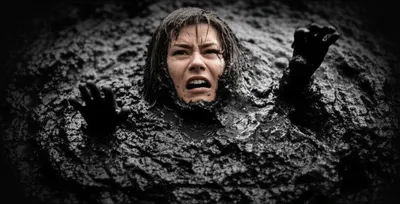
verb🔗Share진창에 빠뜨리다, 늪에 빠지다To cause or permit to become stuck in mud; to plunge or fix in mud."to mire a horse or wagon"말이나 마차를 진창에 빠뜨리다.environmentnatureconditionChat with AIVocabulary GamePractice Reading
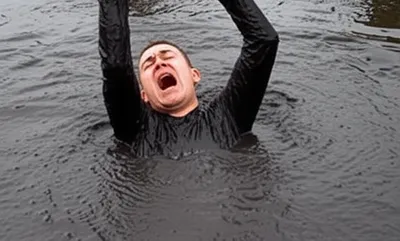
verb🔗Share진흙에 빠지다To sink into mud."The dog tried to chase a squirrel, but it miret deeply in the muddy field. "개는 다람쥐를 쫓으려 했지만, 진흙투성이 밭에 깊이 빠졌다.natureenvironmentgeologyChat with AIVocabulary GamePractice Reading
verb🔗Share무겁게 하다, 짓누르다To weigh down."The heavy workload of final exams mires her with stress. "기말고사의 과중한 업무량이 그녀를 스트레스로 짓누른다.actionconditionsituationChat with AIVocabulary GamePractice Reading
verb🔗Share진흙을 묻히다, 더럽히다To soil with mud or foul matter."The heavy rain mires the path, making it difficult to walk. "폭우가 길을 진흙으로 덮어 걷기 어렵게 만든다.environmentnaturedisasterChat with AIVocabulary GamePractice Reading
noun🔗Share개미An ant."The tiny mire scurried across the classroom floor. "작은 개미가 교실 바닥을 가로질러 재빨리 움직였다.animalinsectnatureorganismbiologyenvironmentChat with AIVocabulary GamePractice Reading