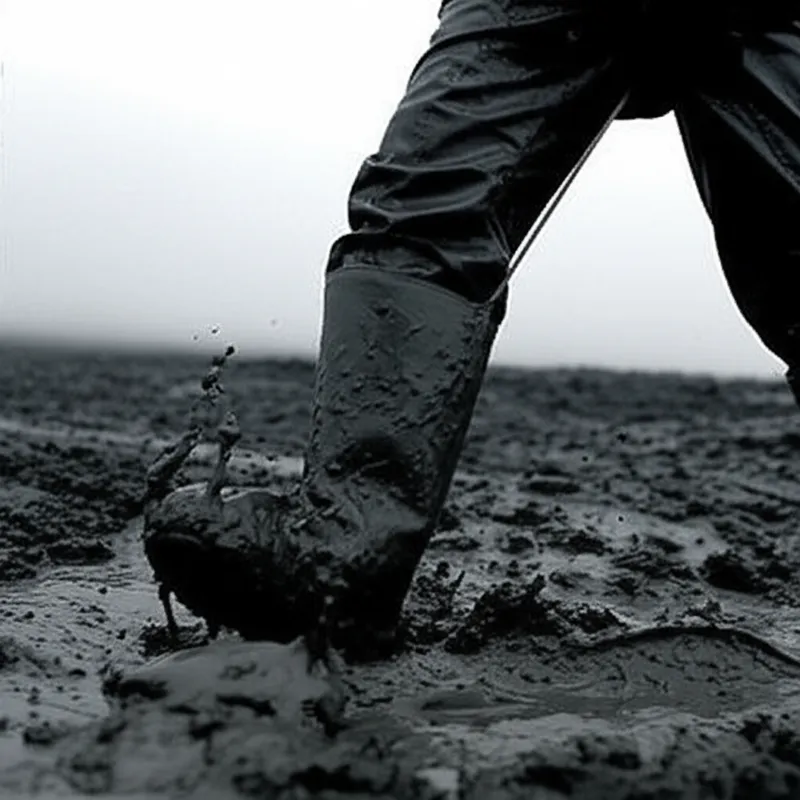

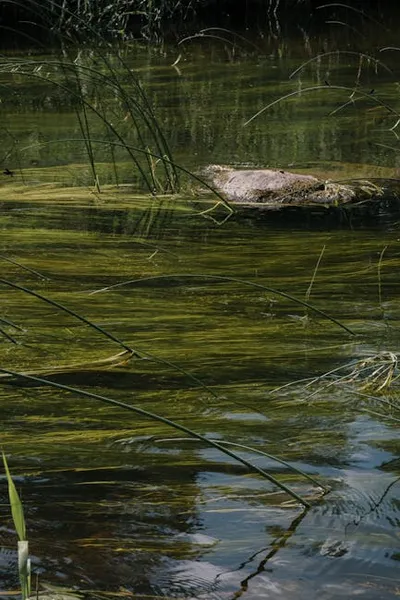
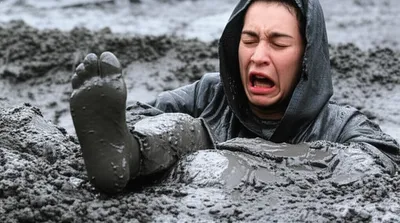
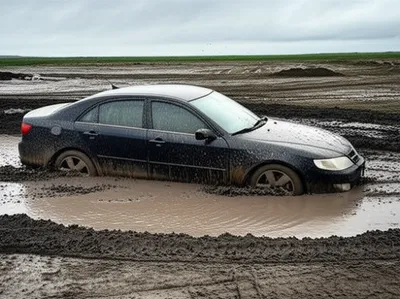
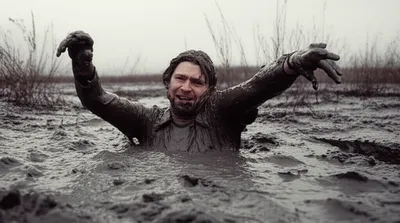
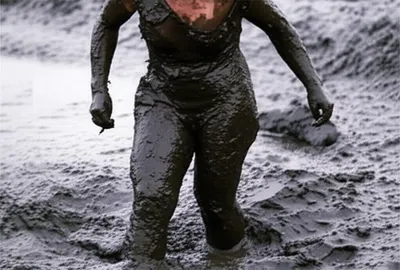
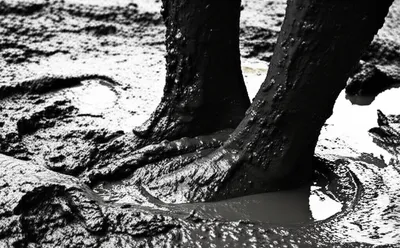
noun🔗Share진흙, 수렁Deep mud; moist, spongy earth."After the heavy rain, the construction site turned into a series of sticky mires, making it difficult to walk. "폭우가 내린 후, 공사 현장은 끈적거리는 진흙탕으로 변하여 걷기가 어려워졌다.environmentgeologynatureplaceChat with AIVocabulary GamePractice Reading
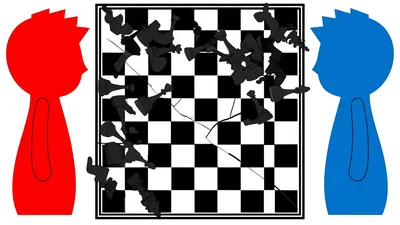
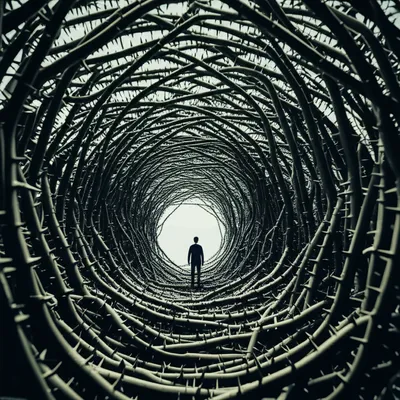
noun🔗Share곤경, 궁지An undesirable situation, a predicament."The company's constant disagreements and lack of progress created mires that were difficult to escape. "회사의 끊임없는 불화와 진전 부족은 벗어나기 어려운 곤경을 만들었다.situationconditionChat with AIVocabulary GamePractice Reading
verb🔗Share진흙에 빠뜨리다To cause or permit to become stuck in mud; to plunge or fix in mud."to mire a horse or wagon"말이나 마차를 진흙에 빠뜨리다.environmentnatureChat with AIVocabulary GamePractice Reading
verb🔗Share진흙에 빠지다To sink into mud."The farmer's truck slowly mires in the muddy field after the heavy rain. "폭우가 내린 후 농부의 트럭은 진흙밭에 천천히 빠진다.environmentnaturedisasterplaceChat with AIVocabulary GamePractice Reading
verb🔗Share무겁게 하다, 짓누르다To weigh down."The responsibility of caring for her elderly mother often mires Sarah in feelings of exhaustion. "늙은 어머니를 돌봐야 하는 책임감은 사라를 종종 피로감에 짓누른다.actionsituationChat with AIVocabulary GamePractice Reading
verb🔗Share진흙을 묻히다, 더럽히다To soil with mud or foul matter."The toddler mires his hands in the spilled spaghetti sauce. "아기는 엎질러진 스파게티 소스에 손을 더럽힌다.environmentnatureChat with AIVocabulary GamePractice Reading
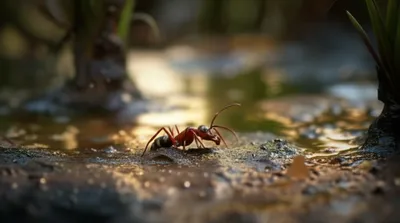
noun🔗Share개미An ant."The child watched the line of mires carrying crumbs back to their nest. "아이는 개미들이 부스러기를 둥지로 가져가는 모습을 지켜보았다.insectanimalChat with AIVocabulary GamePractice Reading