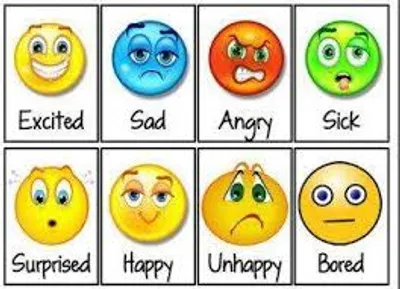
noun 다운로드 🔗공유 기분, 심정 A mental or emotional state, composure. Examples : "My sister's mood was grumpy today because she missed her bus. " 여동생은 오늘 버스를 놓쳐서 기분이 언짢았다. mind emotion condition attitude essential AI와 채팅어휘 게임독해 연습
noun 다운로드 🔗공유 분위기, 정서 Emotional character (of a work of music, literature, or other art). Examples : "The somber mood of the novel made me feel thoughtful and reflective. " 소설의 침울한 분위기는 나를 사색적이고 성찰적인 기분으로 만들었다. emotion art literature music style character essential AI와 채팅어휘 게임독해 연습
noun 다운로드 🔗공유 우울한 기분, 언짢은 기분 A sullen, gloomy or angry mental state; a bad mood. Examples : "My sister was in a bad mood this morning and didn't want to talk to anyone. " 내 여동생은 오늘 아침에 기분이 안 좋아서 아무하고도 이야기하고 싶어하지 않았다. mind emotion condition attitude essential AI와 채팅어휘 게임독해 연습
noun 다운로드 🔗공유 기분, 심정 A disposition to do something, a state of mind receptive or disposed to do something. Examples : "My mood today is to study hard for my upcoming math test. " 오늘 내 기분은 다가오는 수학 시험을 위해 열심히 공부하는 것이다. mind attitude sensation emotion condition essential AI와 채팅어휘 게임독해 연습
noun 다운로드 🔗공유 분위기, 기분 A prevalent atmosphere, attitude, or feeling. Examples : "A good politician senses the mood of the crowd." 유능한 정치인은 군중의 분위기를 감지한다. mind emotion attitude essential AI와 채팅어휘 게임독해 연습
noun 다운로드 🔗공유 분위기, 기분 A familiar, relatable feeling, experience, or thing. Examples : "My current mood is happy because I finished my school project. " 나는 학교 과제를 마쳐서 지금 기분이 행복하다. emotion mind essential AI와 채팅어휘 게임독해 연습
noun 다운로드 🔗공유 용기, 기개, 활력 Courage, heart, valor; also vim and vigor. Examples : "He fought with mood in many a bloody slaught." 그는 수많은 피비린내 나는 전투에서 용감하게 싸웠다. mind character attitude emotion essential AI와 채팅어휘 게임독해 연습
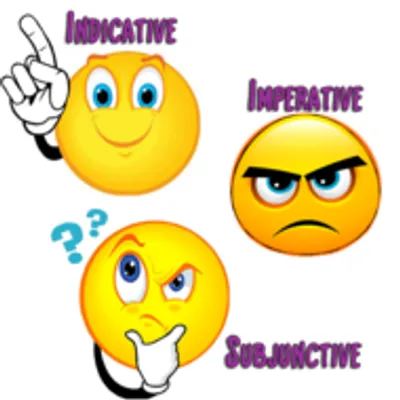
noun 다운로드 🔗공유 법 (grammar) A verb form that depends on how its containing clause relates to the speaker’s or writer’s wish, intent, or assertion about reality. Examples : "The most common mood in English is the indicative." 영어에서 가장 흔한 법은 직설법이다. grammar linguistics language essential AI와 채팅어휘 게임독해 연습