verb 다운로드 🔗공유 낳다, 출산하다 To give birth to or produce (as its female parent) a child. (Compare father.) Examples : "The hen mothered ten chicks this spring. " 암탉은 이번 봄에 병아리 열 마리를 낳았다. family physiology biology AI와 채팅어휘 게임독해 연습
verb 다운로드 🔗공유 어머니처럼 대하다, 보살피다 To treat as a mother would be expected to treat her child; to nurture. Examples : "Even though Sarah was new to the team, Maria mothered her, showing her the ropes and making her feel welcome. " 사라는 팀에 새로 왔지만, 마리아는 그녀를 어머니처럼 대하며, 모든 것을 알려주고 환영받는 느낌을 갖게 했다. family human person action AI와 채팅어휘 게임독해 연습
verb 다운로드 🔗공유 어머니를 포함하게 하다 To cause to contain mother. Examples : "mothered oil / vinegar / wine" 어머니가 있는 기름 / 식초 / 와인. family human AI와 채팅어휘 게임독해 연습
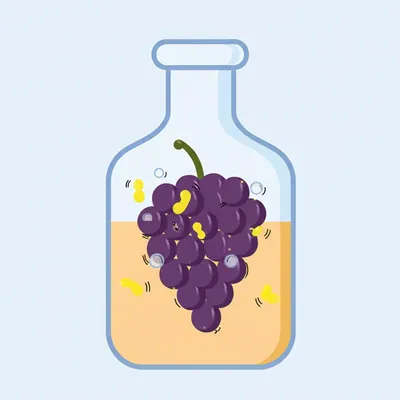
verb 다운로드 🔗공유 술에 찌꺼기가 생기다 (of an alcohol) To develop mother. Examples : "The old bottle of vinegar had been left untouched for so long that it had significantly mothered. " 오래된 식초 병은 너무 오랫동안 손대지 않아 찌꺼기가 상당히 생겼다. drink food AI와 채팅어휘 게임독해 연습
adjective 다운로드 🔗공유 어머니의 보살핌을 받는, 어머니 같은 Receiving the care and attention of a mother. Examples : "The rescued kitten, weak and shivering, looked grateful for the mothered attention of the kind woman. " 구조된 아기 고양이는 약하고 떨면서, 그 친절한 여성의 어머니 같은 보살핌에 고마워하는 듯했다. family human AI와 채팅어휘 게임독해 연습
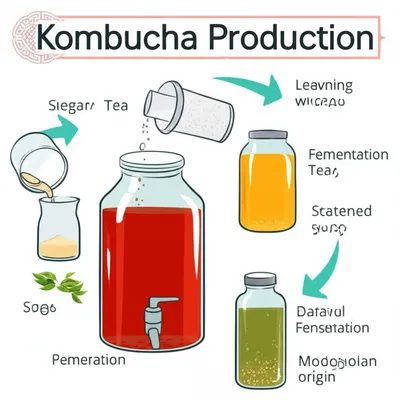
adjective 다운로드 🔗공유 걸쭉한, 끈적한 Thick, like mother (film or membrane on fermented liquids); viscid. Examples : "The kombucha had a distinctly mothered texture, thick and almost jelly-like, which meant it was fermenting well. " 콤부차는 뚜렷하게 걸쭉한 질감을 가지고 있었고, 두껍고 거의 젤리 같았는데, 이는 발효가 잘 되고 있다는 것을 의미했다. food drink substance chemistry biology AI와 채팅어휘 게임독해 연습