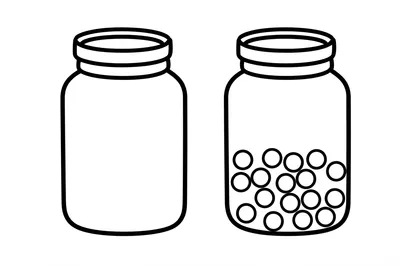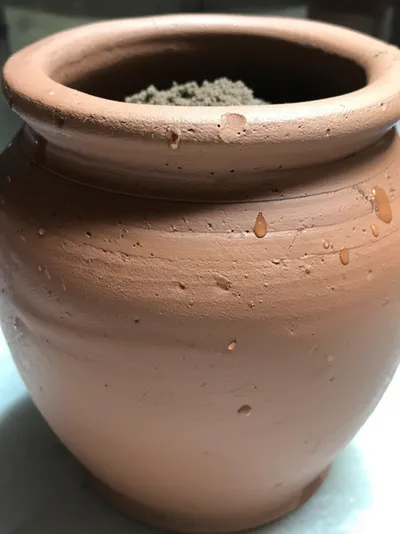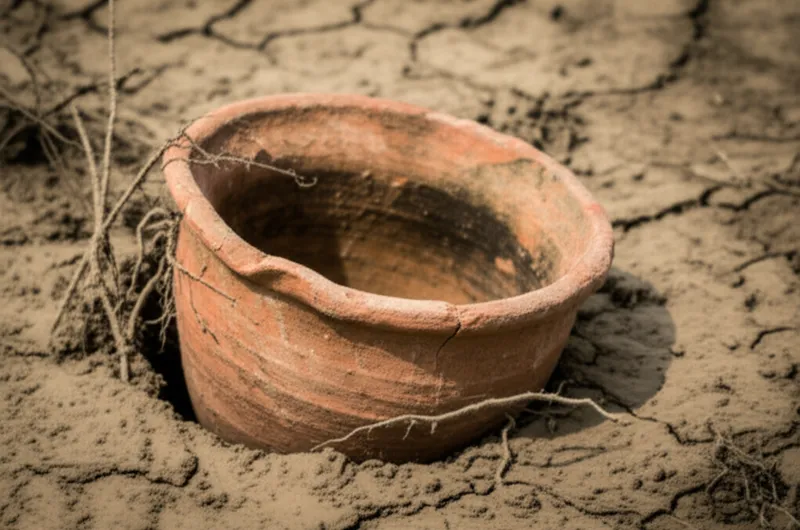

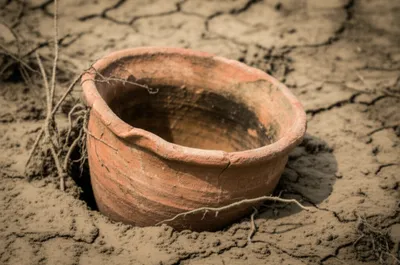







noun🔗Share단지, 항아리An earthenware container, either with two or no handles, for holding oil, water, wine, etc., or used for burial."My grandmother keeps her favorite olive oil in a large, old clay jar. "할머니는 가장 좋아하는 올리브 오일을 크고 오래된 흙 항아리에 보관하신다.archaeologymaterialutensilitemhistoryarchitectureChat with AIVocabulary GamePractice Reading
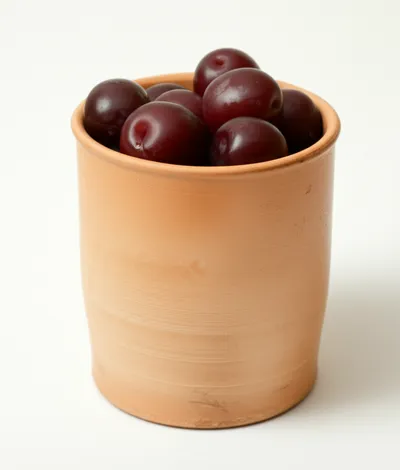
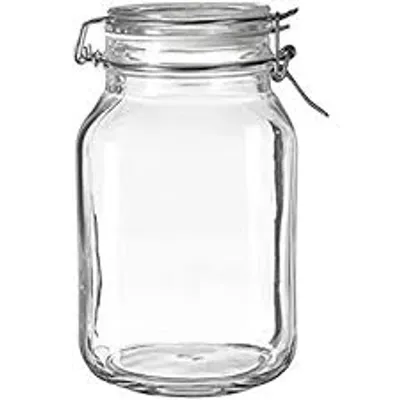
noun🔗Share병, 단지A small, approximately cylindrical container, normally made of clay or glass, for holding fruit, preserves, etc., or for ornamental purposes."My grandmother keeps her homemade pickles in a glass jar. "할머니는 직접 만든 피클을 유리 병에 보관하신다.materialutensilfooditemChat with AIVocabulary GamePractice Reading
noun🔗Share단지, 병, 내용물A jar and its contents; as much as fills such a container; a jarful."The jar of peanut butter was empty; we ate the whole jarful. "땅콩 버터 병이 비어 있었다. 우리는 병에 든 것을 다 먹었다.utensilitemfoodChat with AIVocabulary GamePractice Reading
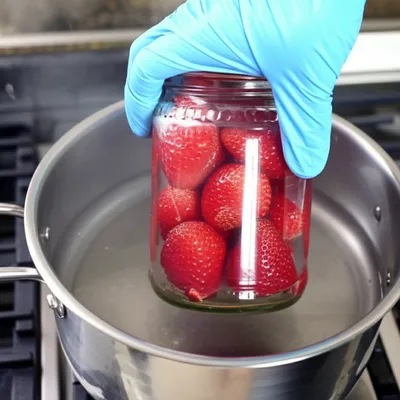
verb🔗Share병에 담그다To preserve (food) in a jar."My grandmother jars the tomatoes from her garden each summer. "우리 할머니는 매 여름마다 정원에서 수확한 토마토를 병에 담근다.foodutensilprocessChat with AIVocabulary GamePractice Reading
noun🔗Share쨍그랑거림, 삐걱거림A clashing or discordant set of sounds, particularly with a quivering or vibrating quality."The noisy disagreement between the siblings created a jarring of voices and footsteps in the house. "형제자매 간의 시끄러운 언쟁은 집 안에서 목소리와 발소리의 쨍그랑거림을 만들어냈다.soundmusicsensationChat with AIVocabulary GamePractice Reading
noun🔗Share진동, 떨림A quivering or vibrating movement or sensation resulting from something being shaken or struck."The sudden jar from the car accident made her head spin. "자동차 사고로 인한 갑작스러운 진동은 그녀의 머리를 어지럽게 만들었다.sensationsoundphysicsChat with AIVocabulary GamePractice Reading
noun🔗Share충격, 당황(by extension) A sense of alarm or dismay."Seeing the failing grade on his report card, a feeling of jar washed over him. "그는 성적표에서 낙제점을 보고 충격에 휩싸였다.mindsensationemotionChat with AIVocabulary GamePractice Reading
noun🔗Share불화, 충돌The effect of something contradictory or discordant; a clash."The disagreement between the siblings created a noticeable jar in the family. "형제자매 간의 불화는 가족 내에서 눈에 띄는 충돌을 일으켰다.soundmusicsensationChat with AIVocabulary GamePractice Reading
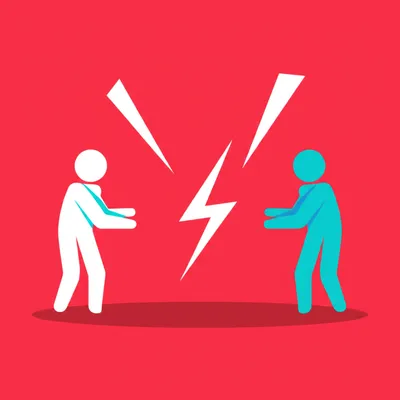
noun🔗Share다툼, 싸움, 분쟁A disagreement, a dispute, a quarrel; contention, discord; quarrelling."The siblings had a loud jar over who got to use the last of the ice cream. "형제자매들은 마지막 아이스크림을 누가 먹을지 큰 다툼을 벌였다.attitudecommunicationsocietyactionChat with AIVocabulary GamePractice Reading
verb🔗Share흔들리다, 덜컹거리다To knock, shake, or strike sharply, especially causing a quivering or vibrating movement."He hit it with a hammer, hoping he could jar it loose."그는 망치로 그것을 쳐서 그것을 흔들어 느슨하게 할 수 있기를 바랐다.sensationactionphysicsChat with AIVocabulary GamePractice Reading
verb🔗Share해치다, 다치게 하다To harm or injure by such action."The angry student's words jarred his classmates' feelings. "화가 난 학생의 말은 급우들의 감정을 해쳤다.actionbodymedicineChat with AIVocabulary GamePractice Reading
verb🔗Share충격을 주다, 놀라게 하다To shock or surprise."I think the accident jarred him, as he hasn’t got back in a car since."사고가 그에게 충격을 준 것 같아. 그 이후로 그는 차에 다시 타지 않았어.sensationemotionmindChat with AIVocabulary GamePractice Reading
verb🔗Share충돌하다, 다투다, 반대하다To act in disagreement or opposition, to clash, to be at odds with; to interfere; to dispute, to quarrel."The siblings often jarred over who got to use the computer first. "형제자매들은 누가 먼저 컴퓨터를 사용할 수 있는지 자주 다퉜다.attitudeactioncommunicationChat with AIVocabulary GamePractice Reading
verb🔗Share덜컹거리다, 삐걱거리다To (cause something to) give forth a rudely tremulous or quivering sound; to (cause something to) sound discordantly or harshly."The clashing notes jarred on my ears."충돌하는 음들이 내 귀에 덜컹거렸다.soundmusicChat with AIVocabulary GamePractice Reading
verb🔗Share흔들리다, 떨리다To quiver or vibrate due to being shaken or struck."The old wooden table jarred when the dog leaped onto it. "개가 그 위로 뛰어오르자 낡은 나무 테이블이 흔들렸다.soundsensationactionphysicsChat with AIVocabulary GamePractice Reading
verb🔗Share어색해 보이다, 조화롭지 않다Of the appearance, form, style, etc., of people and things: to look strangely different; to stand out awkwardly from its surroundings; to be incongruent."The new student's clothes jarred with the rest of the school's uniform. "새 학생의 옷은 학교 나머지 교복과 어색해 보였다.appearancestyleChat with AIVocabulary GamePractice Reading