

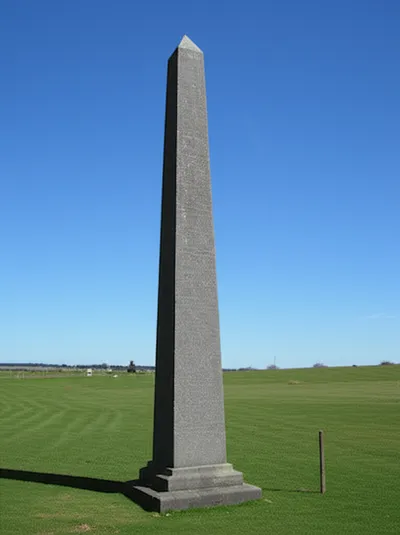

noun🔗Share오벨리스크A tall, square, tapered, stone monolith topped with a pyramidal point, frequently used as a monument."In the park, a tall obelisk stood as a memorial to the town's war veterans. "공원에는 도시의 참전 용사들을 기리는 기념물로 높은 오벨리스크가 서 있었다.architecturehistoryartcultureChat with AIVocabulary GamePractice Reading
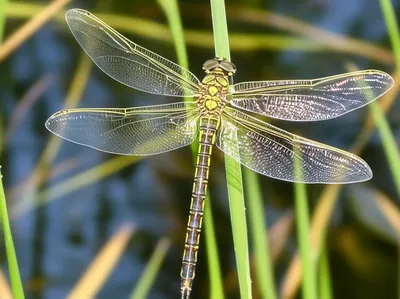
verb🔗Share잠자리가 오벨리스크 자세를 취하다(of a dragonfly) To adopt the obelisk posture; to point the tip of the abdomen towards the sun."The dragonfly obelisked, its abdomen pointed directly at the afternoon sun. "잠자리는 오벨리스크 자세를 취했고, 배는 오후의 태양을 정면으로 향했다.animalinsectbiologyphysiologynatureChat with AIVocabulary GamePractice Reading
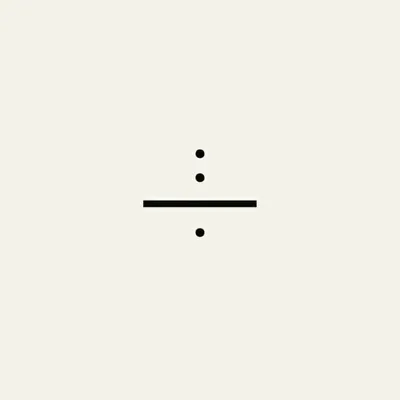
noun🔗Share수평선(–)을 닮은 기호로, 때로는 하나 또는 두 개의 점(예: ⨪ 또는 ÷)과 함께 고대 필사본과 텍스트에서 단어나 구절을 의심스럽거나 가짜이거나 불필요한 것으로 표시하는 데 사용되었으며, 오벨리스크.A symbol resembling a horizontal line (–), sometimes together with one or two dots (for example, ⨪ or ÷), which was used in ancient manuscripts and texts to mark a word or passage as doubtful or spurious, or redundant; an obelisk."The scholar noted that several sections of the ancient scroll were marked with an obelisk, indicating passages of questionable authenticity. "학자는 고대 두루마리의 여러 부분이 의심스러운 진정성을 나타내는 구절을 나타내는 오벨리스크로 표시되어 있음을 언급했다.writinglanguageliteraturemarkhistoryarchaeologywordChat with AIVocabulary GamePractice Reading
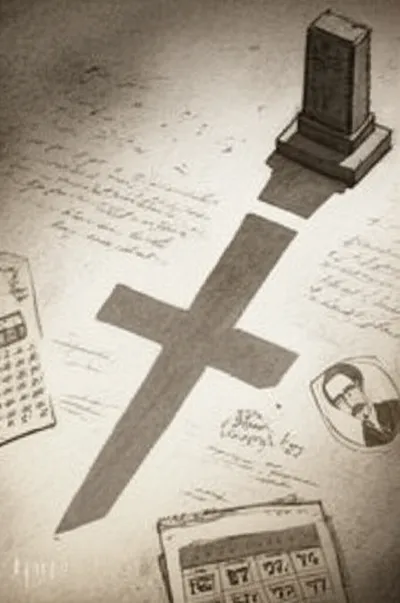
noun🔗Share오벨리스크, 단검표A dagger symbol (†), which is used in printed matter as a reference mark to refer the reader to a footnote, marginal note, etc.; beside a person's name to indicate that the person is deceased; or beside a date to indicate that it is a person's death date; an obelisk."In the historical document, the name "John Smith†" uses the obelisk to indicate that John Smith is deceased. "역사적인 문서에서 "John Smith†"라는 이름은 존 스미스가 사망했음을 나타내기 위해 단검표를 사용합니다.markwritingarchitecturehistorycultureChat with AIVocabulary GamePractice Reading