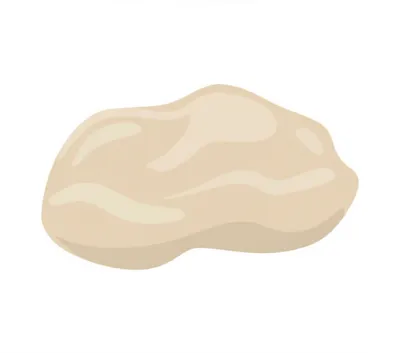
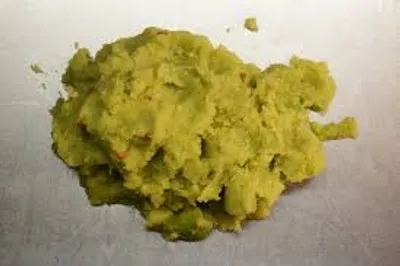
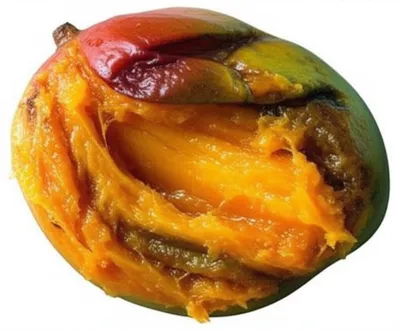
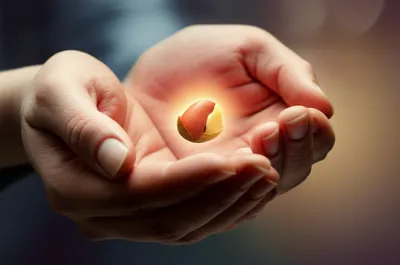
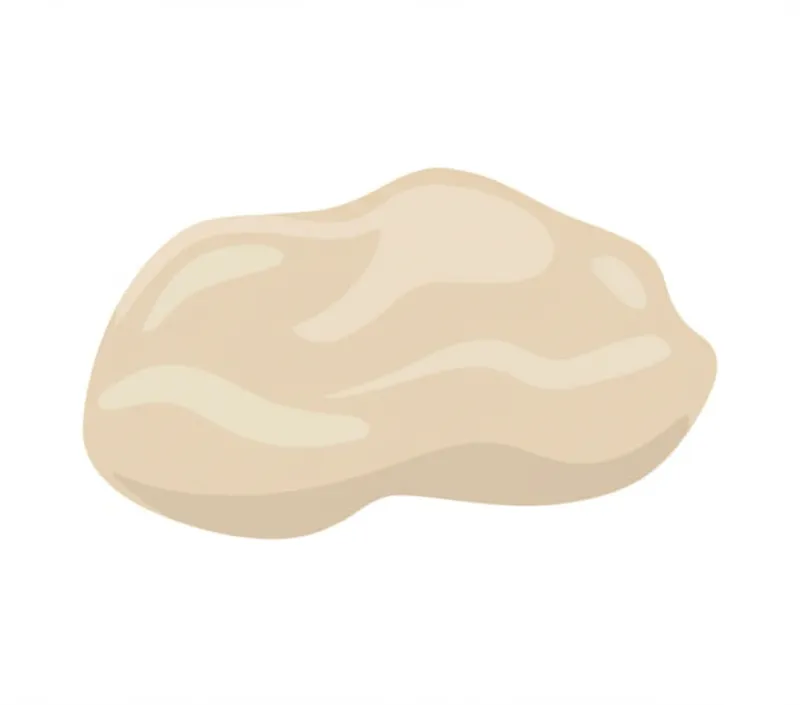
noun 다운로드 🔗공유 펄프, 덩어리 A soft, moist, shapeless mass or matter. Examples : "The spilled yogurt formed a sticky pulp on the table. " 쏟아진 요구르트가 테이블 위에 끈적한 덩어리를 형성했다. material substance mass AI와 채팅어휘 게임독해 연습
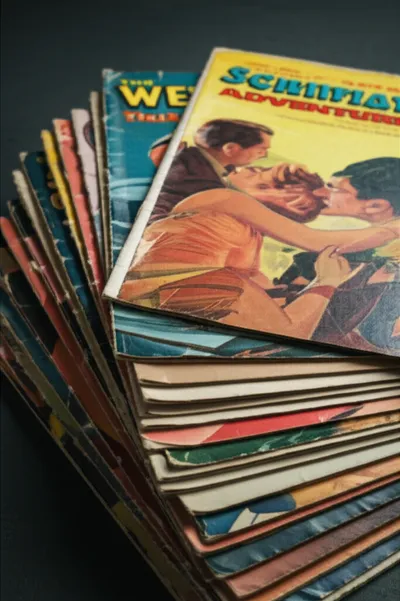
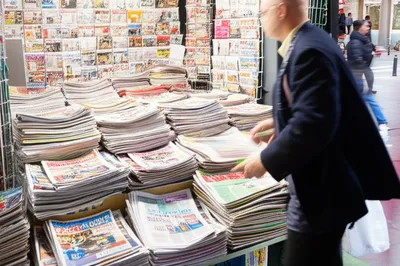
noun 다운로드 🔗공유 싸구려 잡지, 펄프 픽션 A magazine or book containing lurid subject matter and characteristically printed on rough, unfinished paper. Examples : "The old pulp magazine, with its lurid stories of daring detectives, was a popular read at the local newsstand. " 대담한 탐정들의 선정적인 이야기를 담은 오래된 싸구려 잡지는 동네 신문 가판대에서 인기 있는 읽을거리였다. media literature style entertainment AI와 채팅어휘 게임독해 연습
verb 다운로드 🔗공유 펄프로 만들다 To make or be made into pulp. Examples : "The chef will pulp the tomatoes for the soup. " 요리사는 수프를 위해 토마토를 펄프로 만들 것입니다. material process industry AI와 채팅어휘 게임독해 연습
verb 다운로드 🔗공유 짓찧다, 으깨다 To beat to a pulp. Examples : "The bully tried to pulp the smaller boy after he lost the game. " 불량배는 게임에서 진 후 더 작은 소년을 짓찧으려 했다. action AI와 채팅어휘 게임독해 연습
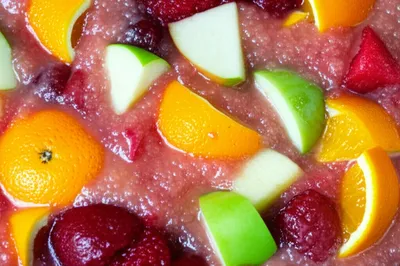
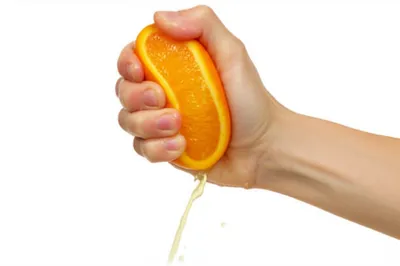
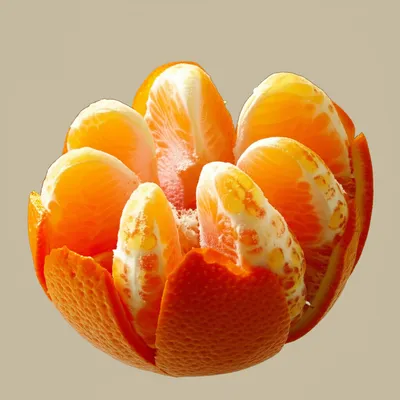
verb 다운로드 🔗공유 과육을 제거하다 To deprive of pulp; to separate the pulp from. Examples : "The juice machine pulped the oranges, separating the juice from the rind. " 주스 기계는 오렌지의 과육을 제거하여 껍질에서 주스를 분리했습니다. agriculture food fruit process AI와 채팅어휘 게임독해 연습
adjective 다운로드 🔗공유 싸구려 잡지풍의, 펄프 잡지 스타일의 Of or pertaining to pulp magazines; in the style of a pulp magazine or the material printed within such a publication. Examples : "The old comic book, with its pulp illustrations and lurid stories, was a relic of a bygone era. " 펄프 일러스트와 선정적인 이야기를 담은 오래된 만화책은 지난 시대의 유물이었다. style literature media entertainment AI와 채팅어휘 게임독해 연습