






noun🔗Share반란An act of revolt."The students' refusal to do their homework was seen as an act of revolt against the teacher. "학생들이 숙제를 하지 않으려 한 것은 선생님에 대한 반란 행위로 여겨졌다.politicsgovernmentactionwarChat with AIVocabulary GamePractice Reading
verb🔗Share반란하다, 저항하다To rebel, particularly against authority."The farmers had to revolt against the government to get what they deserved."농부들은 그들이 마땅히 받아야 할 것을 얻기 위해 정부에 저항해야 했다.politicsgovernmentactionsocietyChat with AIVocabulary GamePractice Reading
verb🔗Share역겹게 하다, 혐오감을 느끼게 하다To repel greatly."Your brother revolts me!"네 오빠는 나를 역겹게 해!politicsgovernmentactionChat with AIVocabulary GamePractice Reading
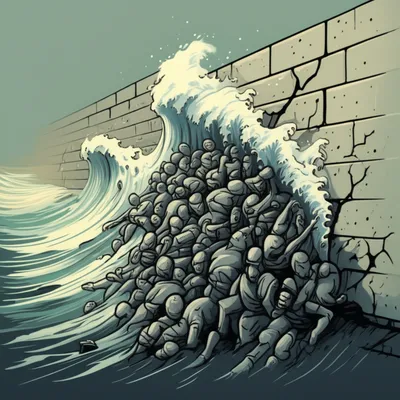
verb🔗Share물리치다, 격퇴하다To cause to turn back; to roll or drive back; to put to flight."The strong seawall was built to revolt the incoming tide and protect the town from flooding. "강력한 방파제는 밀려오는 조수를 물리치고 홍수로부터 마을을 보호하기 위해 건설되었습니다.militarywaractionChat with AIVocabulary GamePractice Reading
verb🔗Share역겹게 느끼다, 혐오감을 느끼다To be disgusted, shocked, or grossly offended; hence, to feel nausea; used with at."The stomach revolts at such food; his nature revolts at cruelty."위는 그런 음식에 역겨움을 느끼고, 그의 본성은 잔혹함에 혐오감을 느낀다.sensationmindemotionChat with AIVocabulary GamePractice Reading
verb🔗Share반항하다, 거부하다, 혐오하다To turn away; to abandon or reject something; specifically, to turn away, or shrink, with abhorrence."Seeing the unfair grading system, the students revolted against the teacher's policies. "불공정한 채점 시스템을 보고 학생들은 교사의 정책에 반항했다.attitudeactionpoliticsgovernmentsocietystatewarChat with AIVocabulary GamePractice Reading