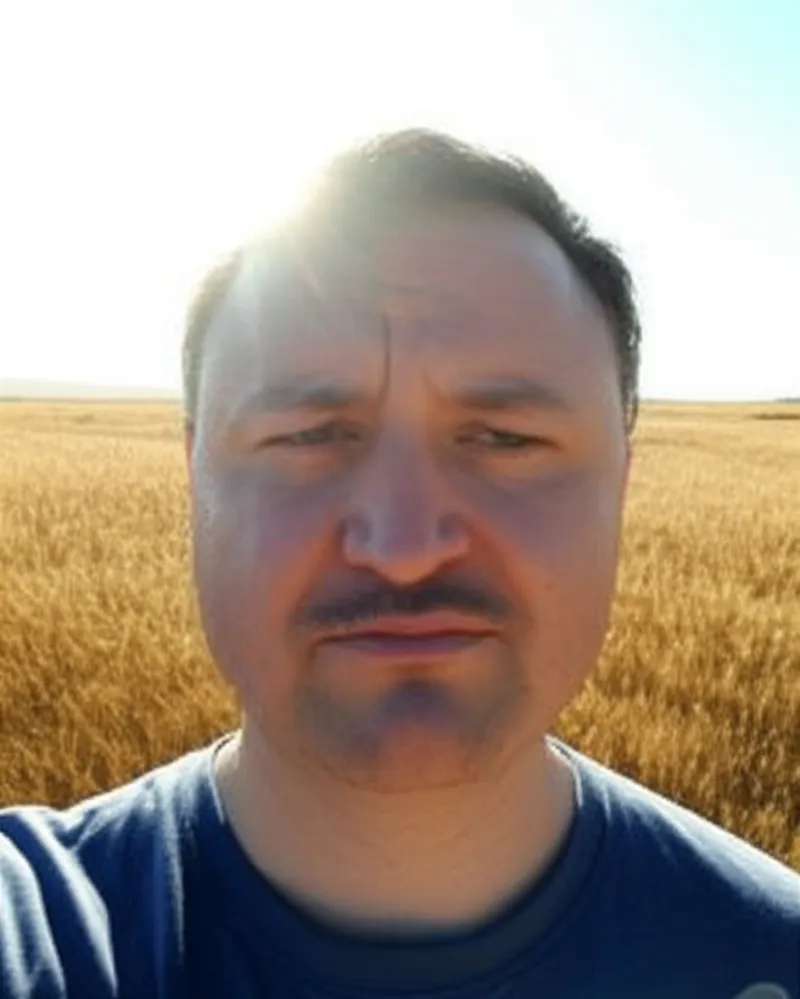
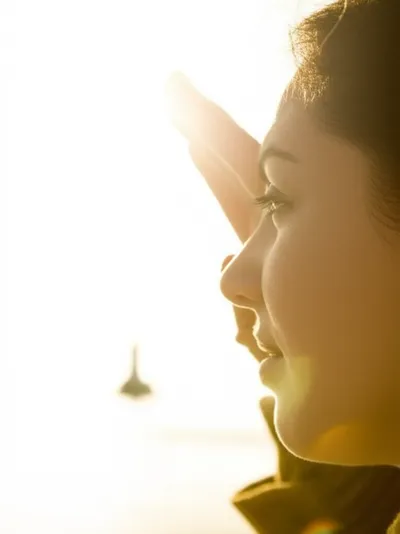
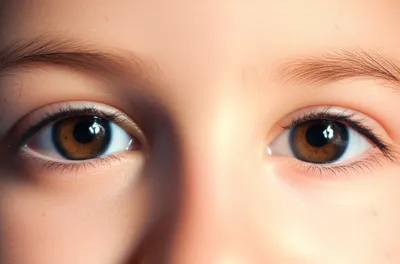
verb 다운로드 🔗공유 눈을 가늘게 뜨다, 찡그리다 To look with the eyes partly closed, as in bright sunlight, or as a threatening expression. Examples : "The children squinted to frighten each other." 아이들은 서로를 겁주기 위해 눈을 가늘게 떴다. appearance body action sensation AI와 채팅어휘 게임독해 연습
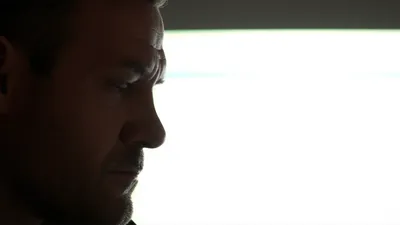
verb 다운로드 🔗공유 곁눈질하다, 곁눈으로 보다 To look or glance sideways. Examples : "The student squinted at his friend's paper during the test, trying to catch a glimpse of the answers. " 그 학생은 시험 중에 친구의 답안지를 곁눈질하며 답을 보려고 애썼다. appearance body physiology action AI와 채팅어휘 게임독해 연습
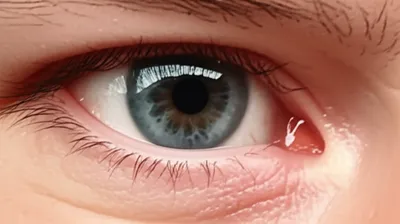
verb 다운로드 🔗공유 사팔뜨기로 보다 To look with, or have eyes that are turned in different directions; to suffer from strabismus. Examples : "Because her eyes weren't aligned, the doctor noticed the baby squinted occasionally. " 아기의 눈이 정렬되지 않아서 의사는 아기가 가끔 사팔뜨기로 보는 것을 알아차렸다. appearance medicine body physiology AI와 채팅어휘 게임독해 연습
verb 다운로드 🔗공유 암시하다, 넌지시 비추다 To have an indirect bearing, reference, or implication; to have an allusion to, or inclination towards, something. Examples : "The teacher's comment about "certain students not putting in their best effort" squinted toward Sarah, who knew her grades had been slipping lately. " 수업 시간에 선생님이 "최선을 다하지 않는 특정 학생들"에 대해 언급한 것은 최근 성적이 떨어진 것을 알고 있던 사라를 암시하는 듯했다. attitude tendency AI와 채팅어휘 게임독해 연습
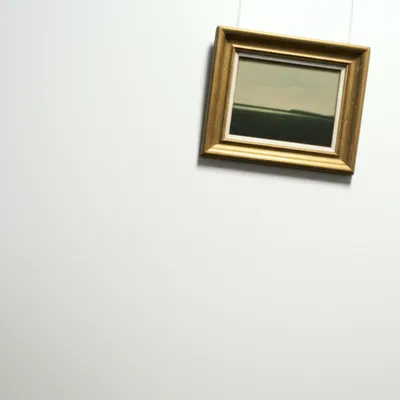
verb 다운로드 🔗공유 눈을 가늘게 뜨다 To be not quite straight, off-centred; to deviate from a true line; to run obliquely. Examples : "The picture frame wasn't hung straight; it squinted slightly to the left. " 액자 틀이 똑바로 걸려 있지 않았고, 약간 왼쪽으로 기울어져 있었다. appearance position AI와 채팅어휘 게임독해 연습
verb 다운로드 🔗공유 눈을 가늘게 뜨다 To turn to an oblique position; to direct obliquely. Examples : "to squint an eye" 눈을 가늘게 뜨다. body action physiology sensation direction appearance AI와 채팅어휘 게임독해 연습