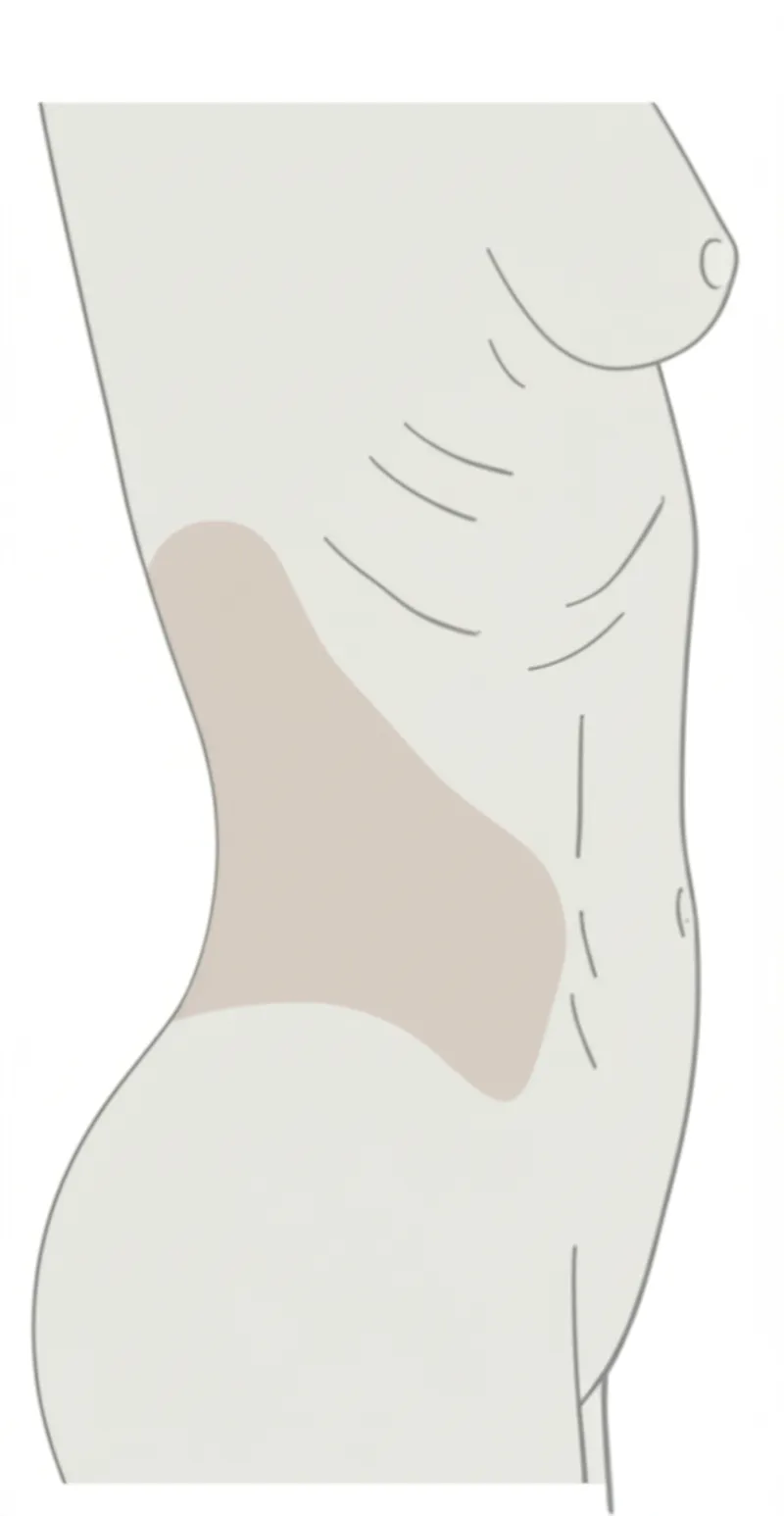

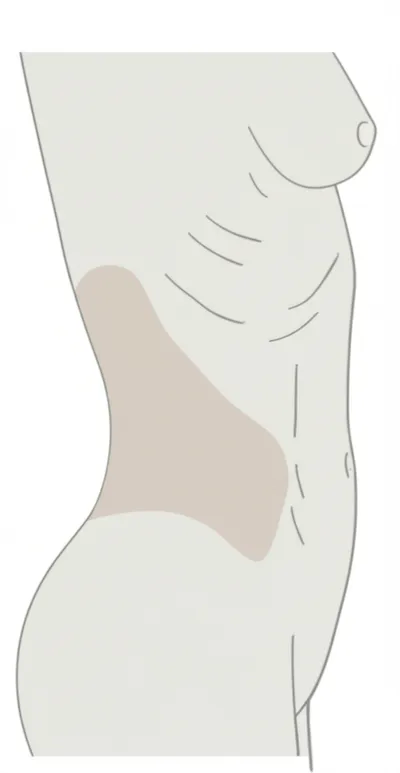
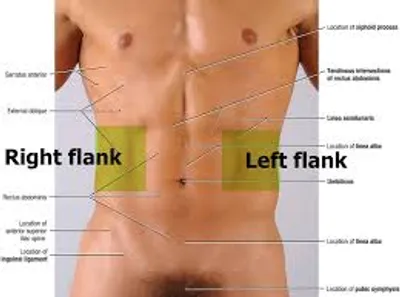


noun🔗Share옆구리The flesh between the last rib and the hip; the side."The doctor gently pressed on the dog's flank to check for any pain. "의사는 통증이 있는지 확인하기 위해 개의 옆구리를 부드럽게 눌렀다.bodyanatomypartChat with AIVocabulary GamePractice Reading
noun🔗Share옆구리살A cut of meat from the flank of an animal."The butcher recommended a flank steak for the barbecue. "정육점 주인은 바비큐용 옆구리살 스테이크를 추천했습니다.foodanimalChat with AIVocabulary GamePractice Reading
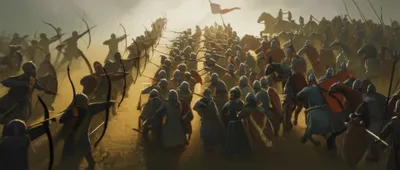
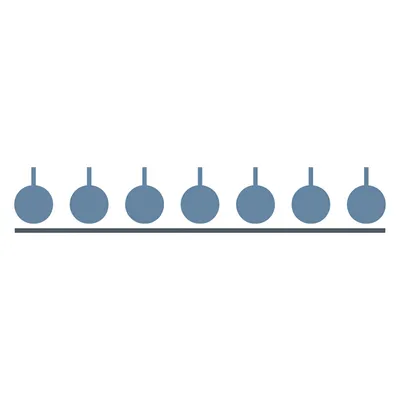
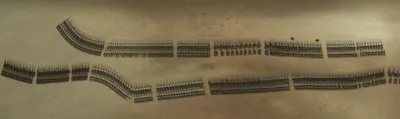
noun🔗Share측면The extreme left or right edge of a military formation, army etc."The general worried the enemy would attack the army's flank, as it was the most exposed part of their position. "장군은 적이 군대의 측면을 공격할까봐 걱정했는데, 그곳이 그들의 위치에서 가장 노출된 부분이었기 때문이다.militarypositionwarChat with AIVocabulary GamePractice Reading
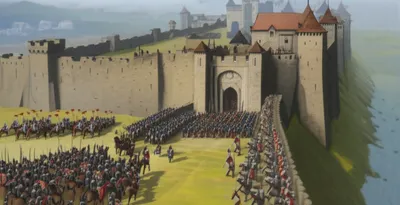
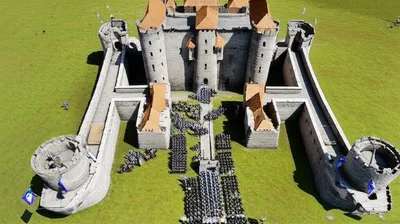
noun🔗Share측면The sides of a bastion perpendicular to the wall from which the bastion projects."The archers positioned on the flank of the castle's bastion provided covering fire, protecting the wall from enemies trying to approach its side. "성의 보루 측면에 배치된 궁수들은 엄호 사격을 제공하여, 측면으로 접근하려는 적들로부터 벽을 보호했습니다.militaryarchitecturewarChat with AIVocabulary GamePractice Reading
noun🔗Share측면, 옆구리The side of something, in general senses."The dog lay on the flank of the sofa, resting comfortably. "개는 소파 옆구리에 편안하게 누워 있었다.partpositionbodymilitaryChat with AIVocabulary GamePractice Reading
noun🔗Share가장자리, 측면The outermost strip of a road."The cyclist stayed close to the flank of the road to avoid the faster car traffic. "자전거 타는 사람은 더 빠른 자동차 교통을 피하기 위해 도로의 가장자리에 바싹 붙어 있었다.areapositiontrafficChat with AIVocabulary GamePractice Reading
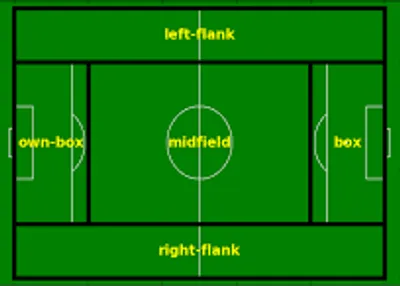
noun🔗Share측면, 옆구리The wing, one side of the pitch."The winger stayed wide on the flank of the pitch, waiting for a pass. "윙어는 패스를 기다리며 경기장 측면에 넓게 머물렀다.sportpositionareaChat with AIVocabulary GamePractice Reading
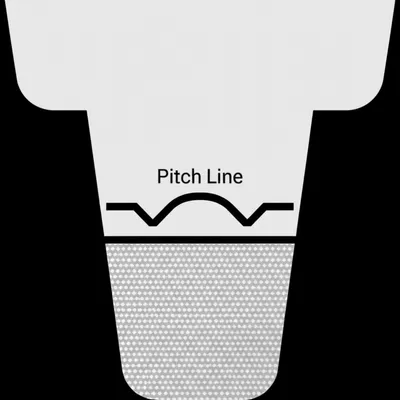
noun🔗Share플랭크That part of the acting surface of a gear wheel tooth that lies within the pitch line."The gear's flank was slightly worn, reducing its efficiency. "기어의 플랭크가 약간 마모되어 효율이 떨어졌다.partmachinetechnicalChat with AIVocabulary GamePractice Reading
verb🔗Share측면을 공격하다To attack the flank(s) of."The army flank attacked the enemy's position to gain a tactical advantage. "군대는 전술적 이점을 얻기 위해 적의 측면을 공격했다.militaryactionChat with AIVocabulary GamePractice Reading
verb🔗Share측면을 방어하다To defend the flank(s) of."The football team flanked the opposing player to prevent him from scoring. "축구팀은 득점을 막기 위해 상대 선수의 측면을 방어했다.militaryactionChat with AIVocabulary GamePractice Reading
verb🔗Share측면에 위치시키다, 옆에 두다To place to the side(s) of."The teacher flanked the student with two assistants to help him. "선생님은 학생을 돕기 위해 두 명의 조교를 학생 측면에 배치했다.positionmilitaryplaceChat with AIVocabulary GamePractice Reading
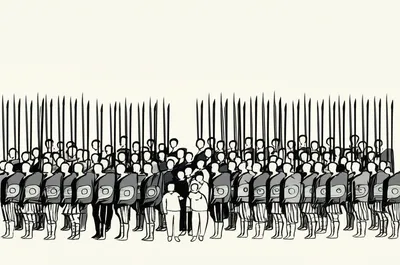
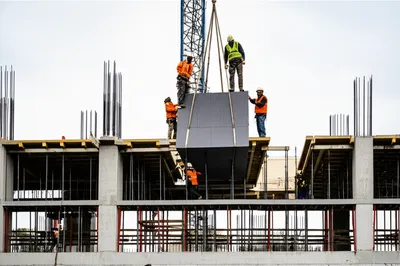
verb🔗Share측면에 위치하다, 옆에 있다To be placed to the side(s) of something (usually in terms of two objects, one on each side)."Two tall bookshelves flanked the living room fireplace. "두 개의 높은 책장이 거실 벽난로 옆에 있었다.positionmilitarydirectionChat with AIVocabulary GamePractice Reading
adjective🔗Share최대 속도(of speed) Maximum. Historically faster than full speed (the most a vessel can sustain without excessive engine wear or risk of damage), now frequently used interchangeably. Typically used in an emergency or during an attack."All ahead flank!"최대 속력으로 전진!nauticalmilitarytechnicalvehiclewarsailingChat with AIVocabulary GamePractice Reading