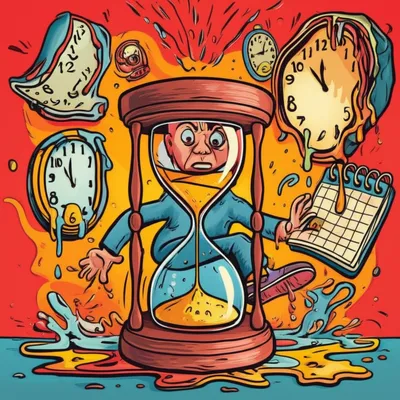
verb 다운로드 🔗공유 피곤해지다, 지치다 To become sleepy or weary. Examples : "After a long day of school, I tired easily and fell asleep quickly. " 오랜 학교생활 후, 나는 쉽게 피곤해져서 빨리 잠들었다. sensation physiology body essential AI와 채팅어휘 게임독해 연습
verb 다운로드 🔗공유 피곤하게 하다, 지치게 하다 To make sleepy or weary. Examples : "The long car ride tired the children out. " 긴 자동차 여행은 아이들을 지치게 했다. physiology sensation body essential AI와 채팅어휘 게임독해 연습
verb 다운로드 🔗공유 지치다, 싫증나다 To become bored or impatient (with). Examples : "I tire of this book." 나는 이 책에 질렸다. emotion mind attitude essential AI와 채팅어휘 게임독해 연습
verb 다운로드 🔗공유 지루하게 하다, 피곤하게 하다 To bore. Examples : "The long lecture on history started to tire the students. " 역사에 대한 긴 강의가 학생들을 지루하게 만들기 시작했다. sensation mind emotion essential AI와 채팅어휘 게임독해 연습
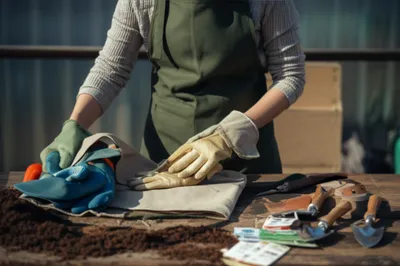
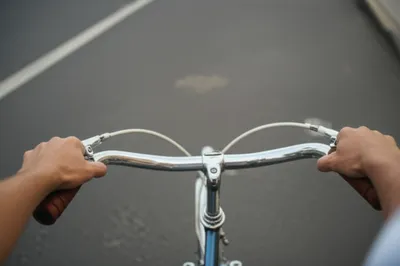
noun 다운로드 🔗공유 부속품, 액세서리 Accoutrements, accessories. Examples : "The bicycle's new tires and handlebars were part of the necessary accoutrements for the bike race. " 자전거의 새 타이어와 핸들바는 자전거 경주에 필요한 부속품의 일부였다. appearance wear style essential AI와 채팅어휘 게임독해 연습
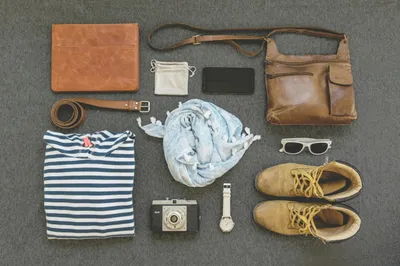
noun 다운로드 🔗공유 옷, 의복 Dress, clothes, attire. Examples : "My sister chose a bright yellow tire for her school play. " 내 여동생은 학교 연극을 위해 밝은 노란색 옷을 골랐다. appearance style wear essential AI와 채팅어휘 게임독해 연습
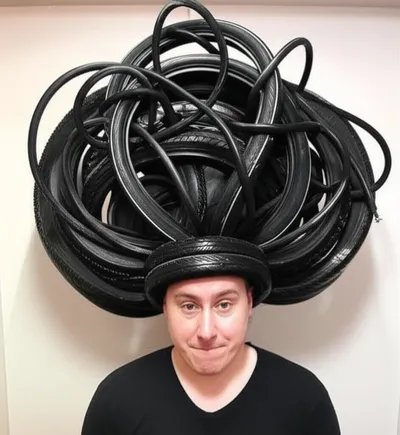
noun 다운로드 🔗공유 타이어 A covering for the head; a headdress. Examples : "The old woman wore a colorful tire to the village festival. " 그 노파는 마을 축제에 화려한 타이어를 착용했다. wear appearance essential AI와 채팅어휘 게임독해 연습
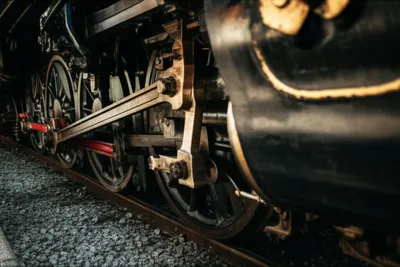
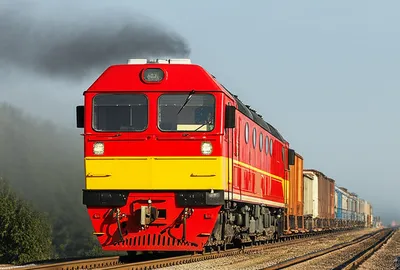
noun 다운로드 🔗공유 타이어 Metal rim of a wheel, especially that of a railroad locomotive. Examples : "The train's powerful locomotive had a large, sturdy tire. " 기차의 강력한 기관차는 크고 튼튼한 타이어를 가지고 있었다. vehicle machine part material essential AI와 채팅어휘 게임독해 연습
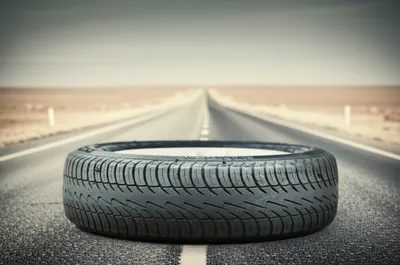
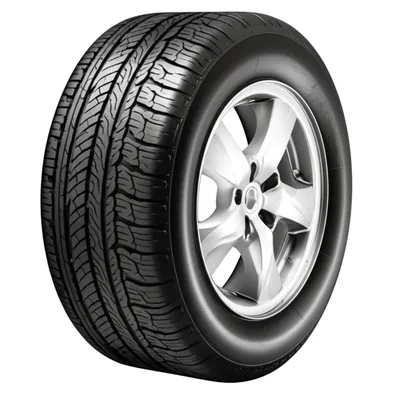
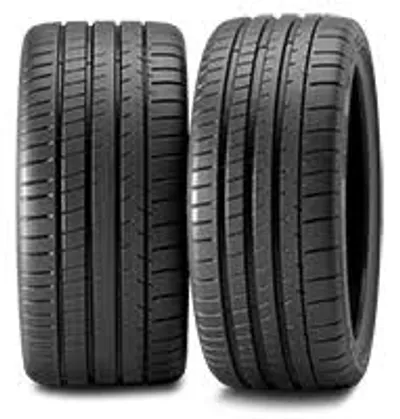
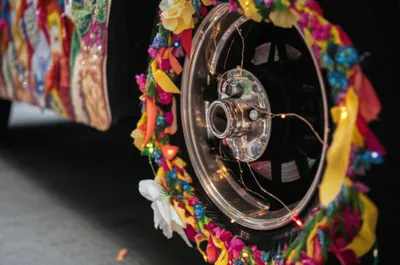
noun 다운로드 🔗공유 타이어 The rubber covering on a wheel; a tyre. Examples : "My bicycle tire was flat, so I had to pump it up before my ride to school. " 자전거 타이어가 펑크 나서 학교에 가기 전에 바람을 넣어야 했다. vehicle part essential AI와 채팅어휘 게임독해 연습
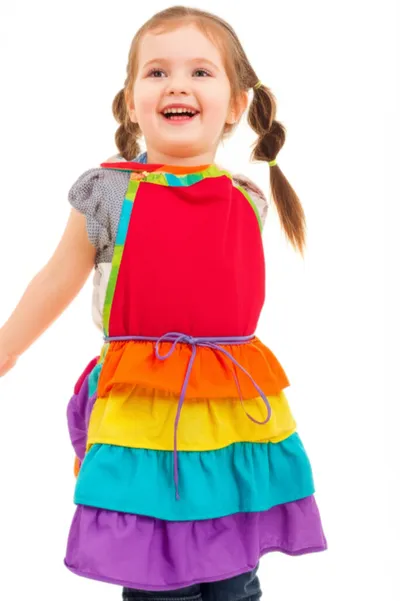
noun 다운로드 🔗공유 앞치마 A child's apron covering the upper part of the body, and tied with tape or cord; a pinafore. Also tier. Examples : "My daughter wore a bright red tire to school today, covering her shirt and pants. " 내 딸은 오늘 학교에 밝은 빨간색 앞치마를 입고 갔는데, 셔츠와 바지를 덮었습니다. wear style item essential AI와 채팅어휘 게임독해 연습
verb 다운로드 🔗공유 입다, 꾸미다 To dress or adorn. Examples : "The children tired themselves out in beautiful clothes for the school play. " 아이들은 학교 연극을 위해 예쁜 옷을 입고 스스로를 꾸몄다. appearance essential AI와 채팅어휘 게임독해 연습
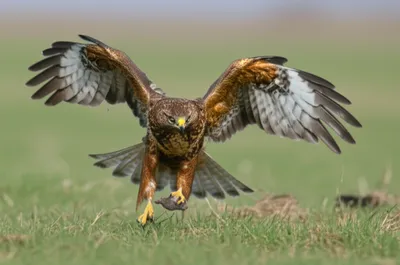
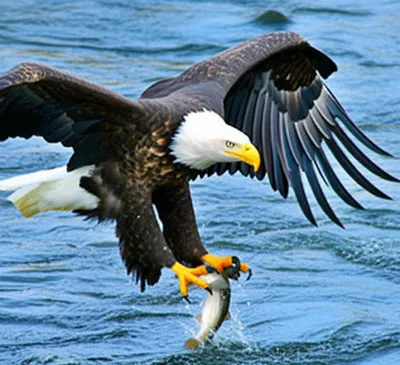
verb 다운로드 🔗공유 붙잡아 찢다 To seize, pull, and tear prey, as a hawk does. Examples : "The hawk tired its prey, pulling the struggling bird from the air. " 매는 먹이를 붙잡아 공중에서 발버둥치는 새를 찢었다. animal action essential AI와 채팅어휘 게임독해 연습
verb 다운로드 🔗공유 붙잡다, 찢다 To seize, rend, or tear something as prey; to be fixed upon, or engaged with, anything. Examples : "The dog tired the squirrel, chasing it relentlessly until it finally caught it. " 개는 다람쥐를 붙잡고, 마침내 잡을 때까지 끈질기게 쫓았다. action energy essential AI와 채팅어휘 게임독해 연습
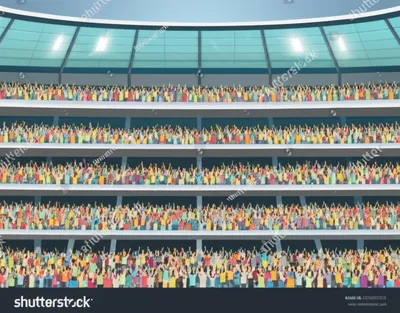
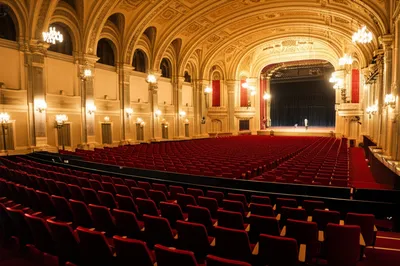
noun 다운로드 🔗공유 층, 열 A tier, row, or rank. Examples : "The seating chart showed the different tiers in the auditorium. " 좌석 배치는 강당의 다양한 층을 보여주었습니다. structure part position essential AI와 채팅어휘 게임독해 연습