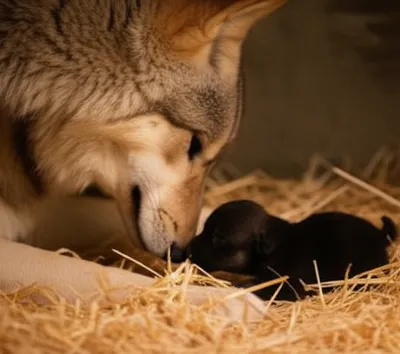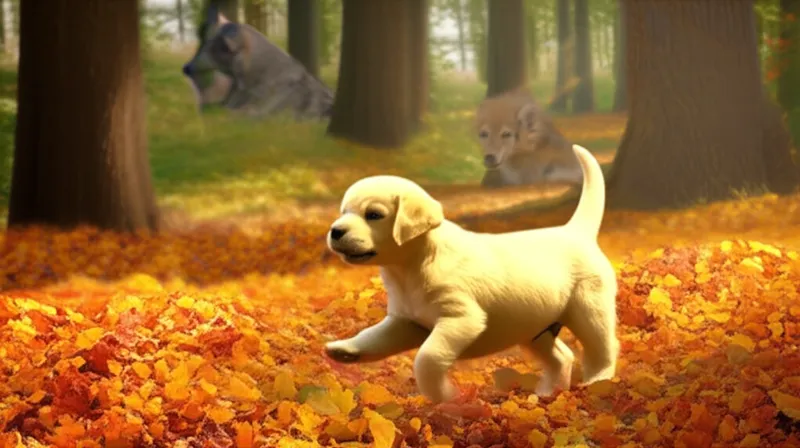


noun🔗Share강아지, 새끼A young offspring of a canid (ursid, felid, pinniped), especially of a dog or a wolf, the young of a bear or similar mammal (lion, tiger, seal); a pup, wolf cub."The mother dog carefully licked each of her five whelps in the whelping box. "어미 개는 출산 상자 안에서 다섯 마리의 강아지 각각을 조심스럽게 핥았다.animalbiologynatureChat with AIVocabulary GamePractice Reading
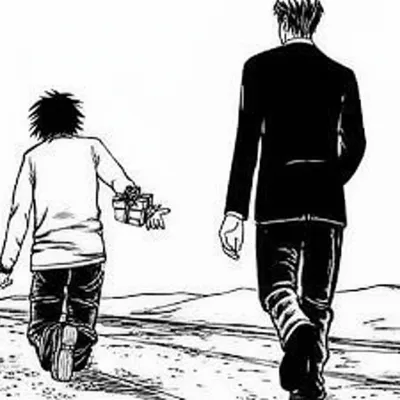
noun🔗Share어린 녀석, 애송이An insolent youth; a mere child.""The teacher sent the disrespectful whelp to the principal's office for talking back." "선생님은 말대꾸하는 버릇없는 애송이를 교장실로 보냈다.agecharacterhumanChat with AIVocabulary GamePractice Reading
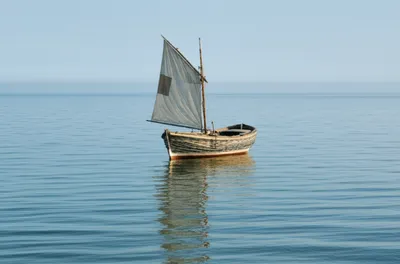
noun🔗Share배의 종류A kind of ship."The small whelp, barely larger than a fishing boat, struggled against the strong currents. "낚시배보다 약간 큰 배의 종류는 거센 물살에 맞서 고군분투했다.nauticalvehicleChat with AIVocabulary GamePractice Reading
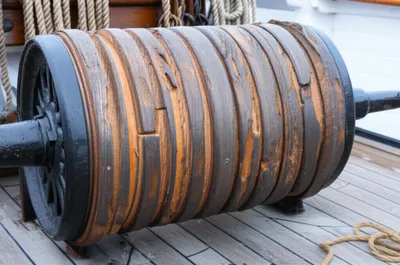
noun🔗Share나무 조각One of several wooden strips to prevent wear on a windlass on a clipper-era ship."The carpenter carefully fitted each whelp onto the windlass, ensuring the thick rope wouldn't damage the wood of the ship's lifting mechanism. "목수는 두꺼운 밧줄이 배의 인양 장치의 나무를 손상시키지 않도록 각 나무 조각을 윈드래스에 조심스럽게 맞추었습니다.nauticalsailingtechnicalpartmachineChat with AIVocabulary GamePractice Reading
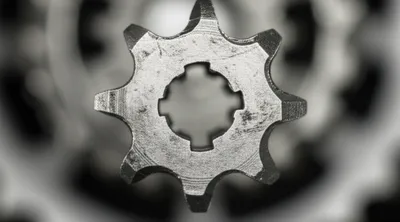
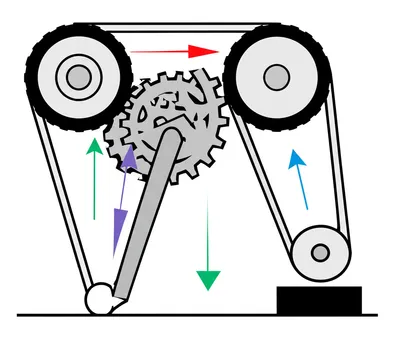
noun🔗Share이A tooth on a sprocket wheel (compare sprocket and cog)."The chain slipped off the sprocket because one of the whelps was broken. "이빨 중 하나가 부러져서 체인이 스프로킷에서 미끄러졌다.machineparttechnicalChat with AIVocabulary GamePractice Reading
verb🔗Share새끼를 낳다(of she-dog, she-wolf, vixen, etc.) To give birth."The bitch whelped."암캐가 새끼를 낳았다.animalbiologyphysiologyChat with AIVocabulary GamePractice Reading
interjection🔗Share이런, 쳇Well, typically used in exasperation.""Whelp, I guess I failed the test even though I studied all night!" "이런, 밤새 공부했음에도 시험에 떨어진 것 같아!exclamationlanguagewordcommunicationattitudeChat with AIVocabulary GamePractice Reading