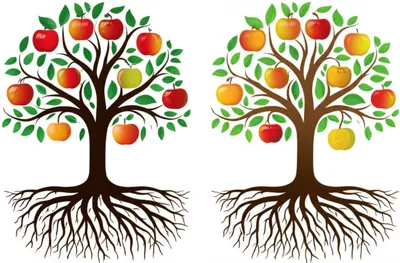



noun🔗ShareРодственные слова, когнатыOne of a number of things allied in origin or nature."Spanish and Portuguese are cognates; they share many words that have a similar origin. "Испанский и португальский языки — родственные слова; они имеют много общих слов, имеющих похожее происхождение.languagelinguisticsChat with AIVocabulary GamePractice Reading
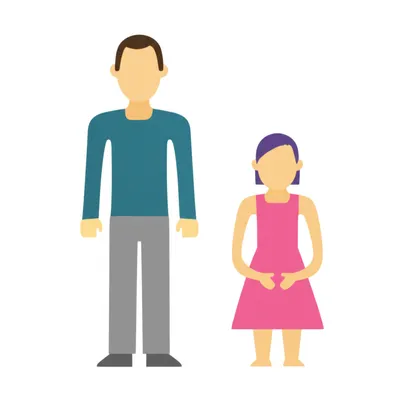
noun🔗ShareРодственник по материнской линииOne who is related to another on the female side."Since Sarah and Mary share a grandmother, they are considered cognates. "Поскольку у Сары и Мэри общая бабушка, они считаются родственницами по материнской линии.familyChat with AIVocabulary GamePractice Reading
noun🔗ShareРодственникиOne who is related to another, both having descended from a common ancestor through legal marriages.""Although they had never met, the distant cousins discovered they were cognates after tracing their family history back several generations." "Хотя они никогда не встречались, дальние родственники обнаружили, что они родственники, проследив историю своей семьи на несколько поколений назад.familypersonChat with AIVocabulary GamePractice Reading
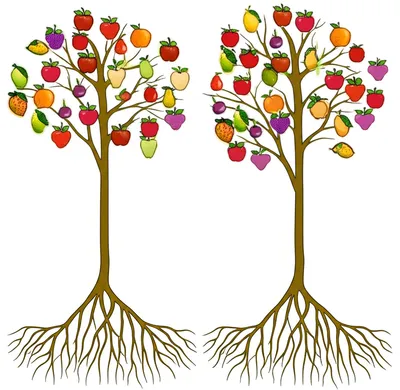
noun🔗ShareКогнаты, родственные словаA word either descended from the same base word of the same ancestor language as the given word, or strongly believed to be a regular reflex of the same reconstructed root of proto-language as the given word."Many English words like "night" and German words like "Nacht" are cognates, meaning they share a common ancestor word and similar meanings. "Многие английские слова, такие как «night», и немецкие слова, такие как «Nacht», являются когнатами, то есть имеют общее слово-предок и схожие значения.languagelinguisticswordChat with AIVocabulary GamePractice Reading