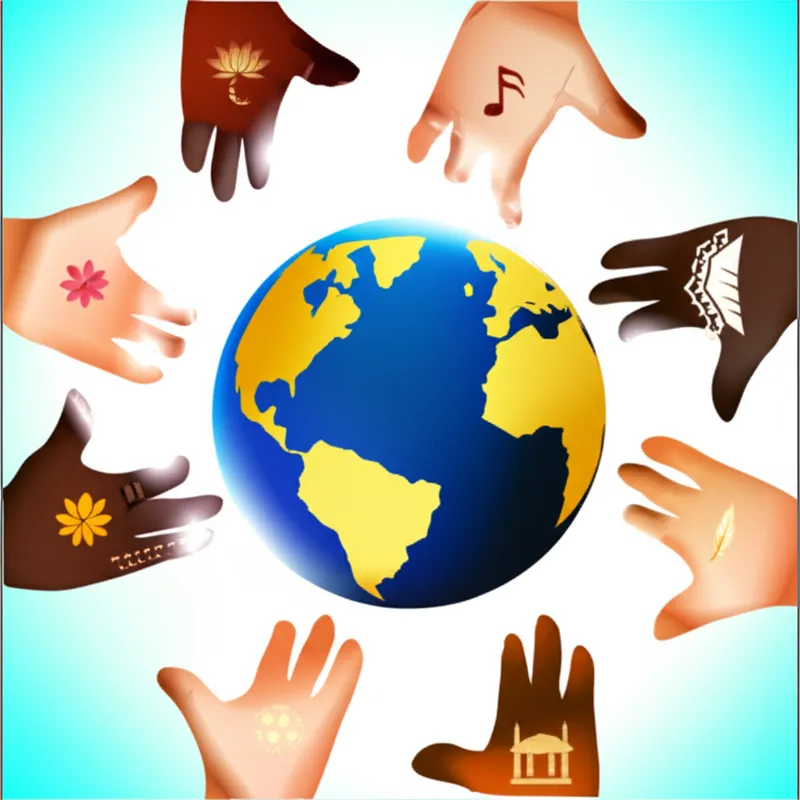

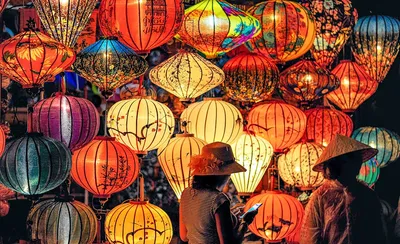
noun🔗ShareКультуры, обычаи, образ жизниThe arts, customs, lifestyles, background, and habits that characterize a particular society or nation."Traveling abroad is a great way to experience different cultures. "Путешествие за границу - отличный способ познакомиться с разными культурами.culturenationsocietyhistoryChat with AIVocabulary GamePractice Reading
noun🔗ShareКультуры, образ жизниThe beliefs, values, behaviour and material objects that constitute a people's way of life."Visiting different countries allowed me to experience and appreciate the diverse cultures around the world. "Посещение разных стран позволило мне познакомиться и оценить разнообразие культур по всему миру.culturesocietytraditionvaluehistoryChat with AIVocabulary GamePractice Reading
noun🔗ShareКультуры, обычаи, обществаThe conventional conducts and ideologies of a community; the system comprising of the accepted norms and values of a society."Different countries often have distinct cultures that affect how people greet each other. "Разные страны часто имеют разные культуры, которые влияют на то, как люди приветствуют друг друга.culturesocietytraditiongrouphumanvalueChat with AIVocabulary GamePractice Reading
noun🔗ShareПередача знанийAny knowledge passed from one generation to the next, not necessarily with respect to human beings."The cultures of bees, including their methods of communication and colony organization, are fascinating to study. "Передача знаний о пчелах, включая их методы коммуникации и организацию колоний, очень интересно изучать.culturetraditionsocietyhistoryeducationChat with AIVocabulary GamePractice Reading
noun🔗ShareВыращивание, культивацияCultivation."The cultures of bacteria in the lab helped the scientist understand how they grow. "Культуры бактерий в лаборатории помогли ученому понять, как они растут.agricultureChat with AIVocabulary GamePractice Reading
noun🔗ShareКультивирование, культивированиеThe process of growing a bacterial or other biological entity in an artificial medium."The lab technician prepared cultures of bacteria to identify the cause of the patient's infection. "Лаборант подготовил культуры бактерий, чтобы определить причину инфекции пациента.biologymedicinemicroorganismscienceChat with AIVocabulary GamePractice Reading
noun🔗ShareВыращивание, полученное таким образомThe growth thus produced."The biology class examined the cultures of bacteria grown in the petri dishes. "На уроке биологии изучали культуры бактерий, выращенные в чашках Петри.biologymicroorganismChat with AIVocabulary GamePractice Reading
noun🔗ShareКультуры бактерийA group of bacteria."The lab technician prepared several cultures of bacteria to study their growth patterns. "Лаборант подготовил несколько культур бактерий для изучения закономерностей их роста.biologymicroorganismmedicineChat with AIVocabulary GamePractice Reading
noun🔗ShareДетали на карте, которые не представляют собой природные особенности областиThe details on a map that do not represent natural features of the area delineated, such as names and the symbols for towns, roads, meridians, and parallels."The student learned that the map's cultures, like the city names and road symbols, are human-made additions and not natural parts of the landscape. "Студент узнал, что детали карты, такие как названия городов и символы дорог, являются рукотворными дополнениями, а не природными частями ландшафта.geographytechnicalareaChat with AIVocabulary GamePractice Reading
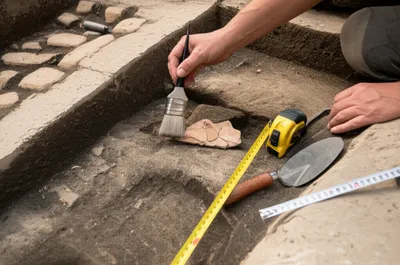
noun🔗ShareКультуры, цивилизацииA recurring assemblage of artifacts from a specific time and place that may constitute the material culture remains of a particular past human society."Archaeologists study ancient cultures by examining pottery shards, tools, and other artifacts left behind by people long ago. "Археологи изучают древние культуры, исследуя черепки, инструменты и другие артефакты, оставленные людьми много лет назад.culturearchaeologyhistorysocietyhumanpastChat with AIVocabulary GamePractice Reading
verb🔗ShareВыращивать, культивироватьTo maintain in an environment suitable for growth (especially of bacteria) (compare cultivate)"The lab technician cultures bacteria samples in petri dishes to study their growth and response to antibiotics. "Лаборант выращивает образцы бактерий в чашках Петри, чтобы изучать их рост и реакцию на антибиотики.biologymicroorganismmedicinescienceChat with AIVocabulary GamePractice Reading
verb🔗ShareРазвивать, культивироватьTo increase the artistic or scientific interest (in something) (compare cultivate)"The university cultures an interest in astrophysics through its popular evening lectures and observatory tours. "Университет развивает интерес к астрофизике посредством своих популярных вечерних лекций и экскурсий в обсерваторию.cultureartscienceeducationChat with AIVocabulary GamePractice Reading