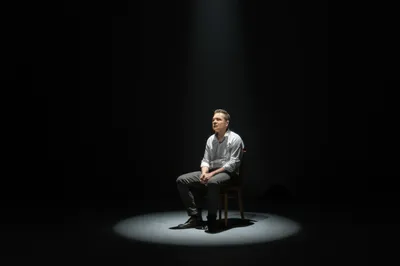






verb🔗ShareПринимать позу, позироватьTo place in an attitude or fixed position, for the sake of effect."To pose a model for a picture."Заставить модель принять позу для фотографии.appearancestyleartactionpositionChat with AIVocabulary GamePractice Reading
verb🔗ShareЗадавать, ставитьTo ask; to set (a test, quiz, riddle, etc.)."The teacher posed a challenging question to the class about the American Civil War. "Учитель задал классу сложный вопрос об американской гражданской войне.communicationlanguageeducationChat with AIVocabulary GamePractice Reading
verb🔗ShareПредставлять собой, создаватьTo constitute (a danger, a threat, a risk, etc.)."The heavy rain posed a threat to the outdoor concert. "Сильный дождь представлял угрозу для концерта на открытом воздухе.situationpossibilityChat with AIVocabulary GamePractice Reading
verb🔗ShareВыдавать себя за(in the phrase "to pose as") To falsely impersonate (another person or occupation) primarily for the purpose of accomplishing something or reaching a goal."The con artist posed as a police officer to gain access to the victim's house and steal their valuables. "Мошенник выдавал себя за полицейского, чтобы получить доступ к дому жертвы и украсть ценности.actionjobpersonpolicemilitaryChat with AIVocabulary GamePractice Reading
verb🔗ShareПринимать позу, позироватьTo assume or maintain a pose; to strike an attitude."The model posed for the artist, holding a still position for a long time. "Модель позировала для художника, сохраняя неподвижную позу в течение долгого времени.attitudeactionstyleappearancepositionChat with AIVocabulary GamePractice Reading
verb🔗ShareПринимать позу, позироватьTo behave affectedly in order to attract interest or admiration."At the party, Sarah posed for photos, smiling brightly and arranging her hair perfectly to impress the guests. "На вечеринке Сара позировала для фотографий, ярко улыбаясь и идеально укладывая волосы, чтобы произвести впечатление на гостей.appearanceattitudeactionhumancharacterstyleChat with AIVocabulary GamePractice Reading
verb🔗ShareДопрашивать, спрашиватьTo interrogate; to question."The teacher posed a question to the class about the American Revolution. "Учитель задал классу вопрос об Американской революции.communicationlanguageChat with AIVocabulary GamePractice Reading
verb🔗ShareЗадавать вопросы, ставить в тупик, смущатьTo question with a view to puzzling; to embarrass by questioning or scrutiny; to bring to a stand."The complex math problem posed a significant challenge to the students. "Сложная математическая задача поставила перед студентами серьезную проблему.communicationactionattitudepointChat with AIVocabulary GamePractice Reading
verb🔗ShareЗадавать вопросы, допрашиватьTo ask (someone) questions; to interrogate."The teacher posed several questions to the students about the book they read. "Учитель задал несколько вопросов ученикам о книге, которую они прочитали.communicationlanguagepolicelawChat with AIVocabulary GamePractice Reading
verb🔗ShareСтавить в тупик, озадачиватьTo puzzle, non-plus, or embarrass with difficult questions."The complex physics problem posed a challenge for even the brightest students in the class. "Сложная задача по физике поставила в тупик даже самых способных учеников в классе.mindcommunicationlanguageChat with AIVocabulary GamePractice Reading
verb🔗ShareСтавить в тупик, озадачиватьTo perplex or confuse (someone)."The complicated instructions on the homework assignment posed a problem for several students. "Сложные инструкции в домашнем задании поставили в тупик нескольких учеников.mindChat with AIVocabulary GamePractice Reading
adjective🔗ShareТвёрдый, решительный, непоколебимыйFirm; determined; fixed."Despite the pressure, she remained posed in her decision to quit her job and start her own business. "Несмотря на давление, она оставалась твёрдой в своём решении уволиться с работы и начать свой собственный бизнес.attitudecharacterChat with AIVocabulary GamePractice Reading