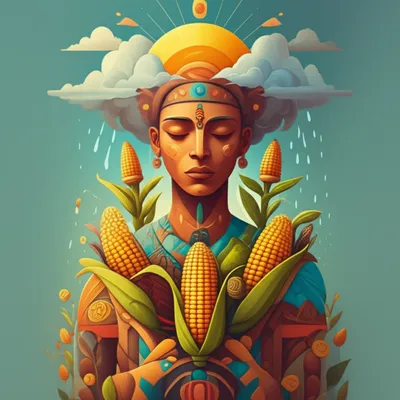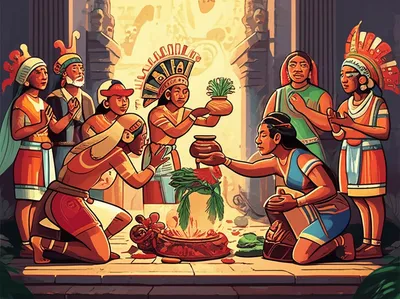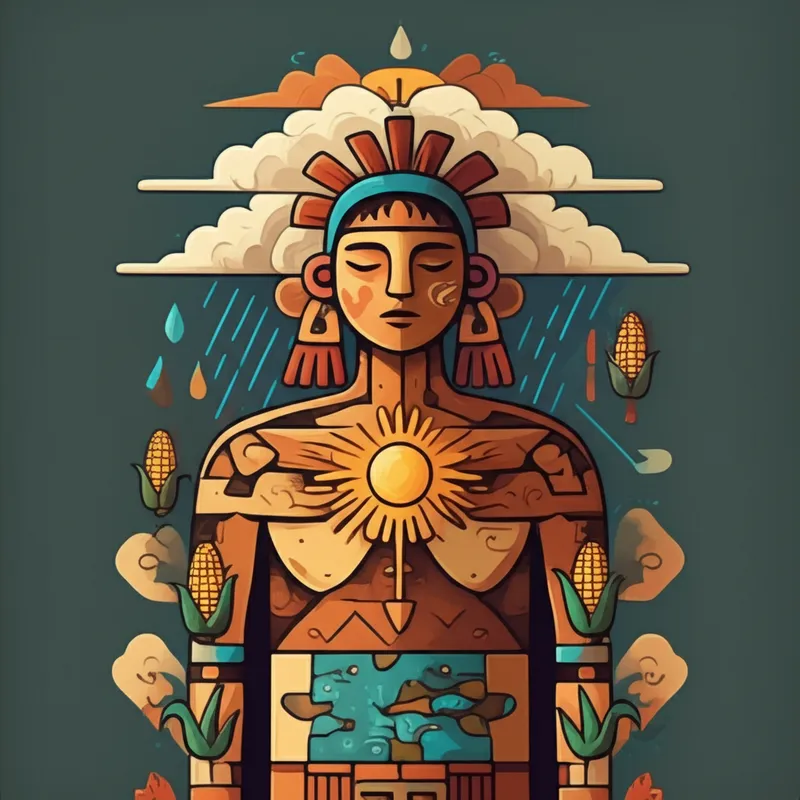

noun🔗Share卡奇纳, 祖灵 (Pueblo culture) A vaguely ancestral anthropomorphic spirit being, associated with clouds and rain or personifying the power in the sun, the earth or corn (among other things)."During the Hopi ceremony, dancers wore masks to represent the kachinas, bringing prayers for rain and a good harvest. "在霍皮族的仪式上,舞者们戴上面具来扮演卡奇纳 (祖灵),以此祈求降雨和丰收。culturereligionmythologytraditionsupernaturalbeingChat with AIVocabulary GamePractice Reading
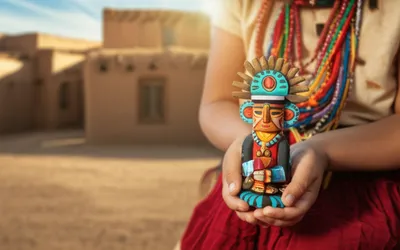
noun🔗Share卡奇纳娃娃,卡奇纳人偶 (Pueblo culture) A wooden doll, as might be given to a child, which represents such a being."The little girl carefully held the kachina, a small wooden doll representing a spirit from her Pueblo culture. "小女孩小心地捧着卡奇纳娃娃,这是一个小小的木制人偶,代表着她普韦布洛文化中的一个精灵。cultureartreligionmythologytraditionChat with AIVocabulary GamePractice Reading
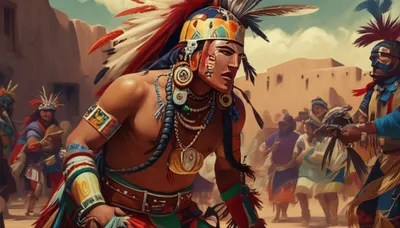
noun🔗Share卡奇纳,卡奇那人偶,科奇蒂人。 (Pueblo culture) A masked dancer who represents such a being in a ceremonial dance or masked ceremony."During the Hopi ceremony, a kachina danced in the plaza, bringing blessings to the village. "在霍皮族的仪式上,一位戴着面具的卡奇纳舞者在广场上跳舞,为村庄带来祝福。cultureritualmythologyreligiontraditionartdanceChat with AIVocabulary GamePractice Reading