verb Descargar 🔗Compartir Leudar To add a leavening agent. Examples : "The baker leavened the dough with yeast to make it rise. " El panadero leudó la masa con levadura para que subiera. food agriculture Chat con IAJuego de vocabularioPracticar lectura
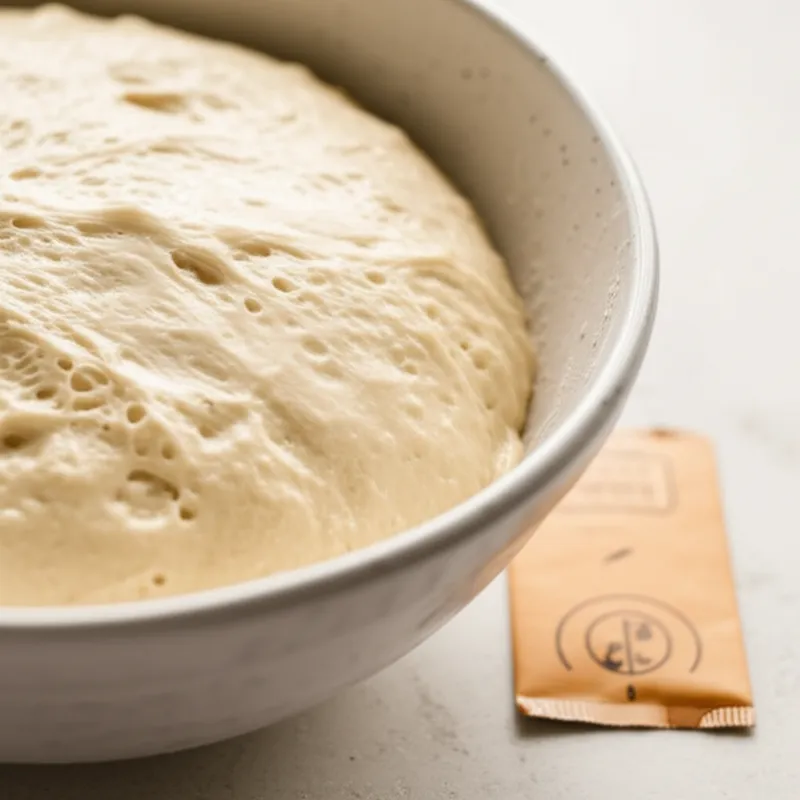
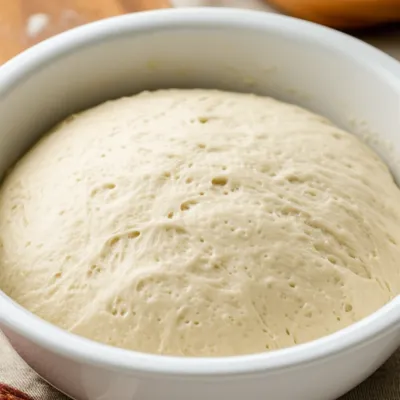
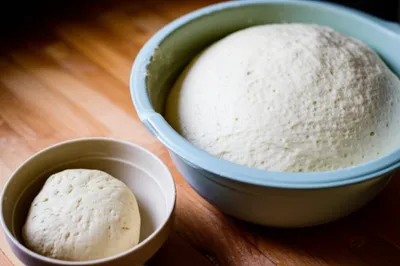
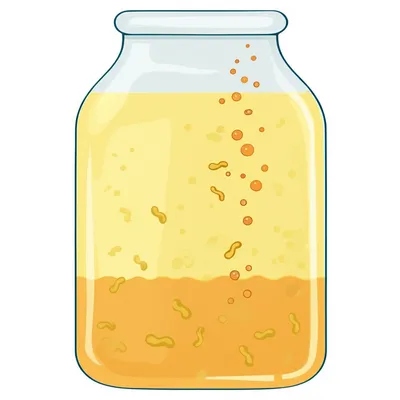
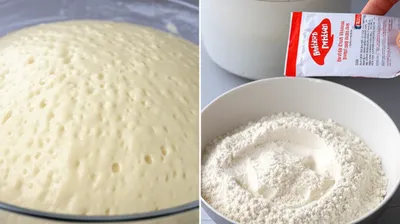
verb Descargar 🔗Compartir Fermentar, levar To cause to rise by fermentation. Examples : "The baker leavened the dough with yeast, making it rise and become light and fluffy. " El panadero fermentó la masa con levadura, haciéndola subir y volviéndola ligera y esponjosa. food process agriculture Chat con IAJuego de vocabularioPracticar lectura
verb Descargar 🔗Compartir Suavizar, atemperar To temper an action or decision. Examples : "She leavened her criticism with a compliment to make it easier for him to accept. " Ella suavizó su crítica con un cumplido para que le fuera más fácil aceptarla. action attitude way Chat con IAJuego de vocabularioPracticar lectura
verb Descargar 🔗Compartir Imbuir, infectar, viciar To imbue; to infect; to vitiate. Examples : "The teacher's negative attitude leavened the entire class with a sense of dread about the upcoming test. " La actitud negativa del profesor imbuyó a toda la clase de una sensación de temor ante el próximo examen. negative condition microorganism Chat con IAJuego de vocabularioPracticar lectura
verb Descargar 🔗Compartir Leudar, fermentar To rise or become larger. Examples : "The bread dough leavened in a warm place, becoming twice its original size. " La masa del pan leudó en un lugar cálido, duplicando su tamaño original. food process Chat con IAJuego de vocabularioPracticar lectura
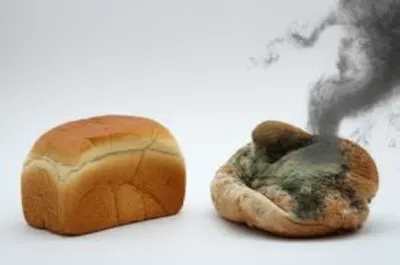
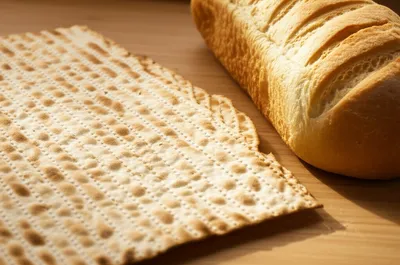
adjective Descargar 🔗Compartir Levantado Prepared using leavening Examples : "The leavened bread was light and fluffy, unlike the dense, unleavened crackers. " El pan levantado era ligero y esponjoso, a diferencia de las galletas densas y sin levadura. food Chat con IAJuego de vocabularioPracticar lectura