noun Descargar 🔗Compartir Un rato, una corta distancia A short time or short distance. Examples : "The wee bit of time before lunch was enough to finish my homework. " El rato antes del almuerzo fue suficiente para terminar mi tarea. time amount place Chat con IAJuego de vocabularioPracticar lectura
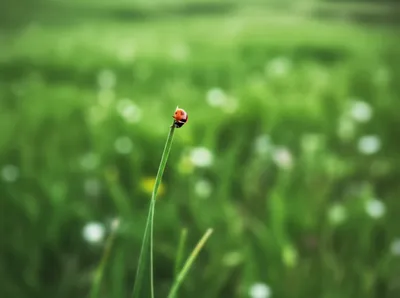
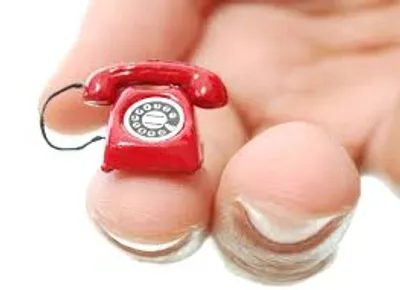
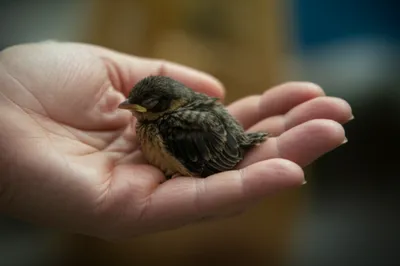
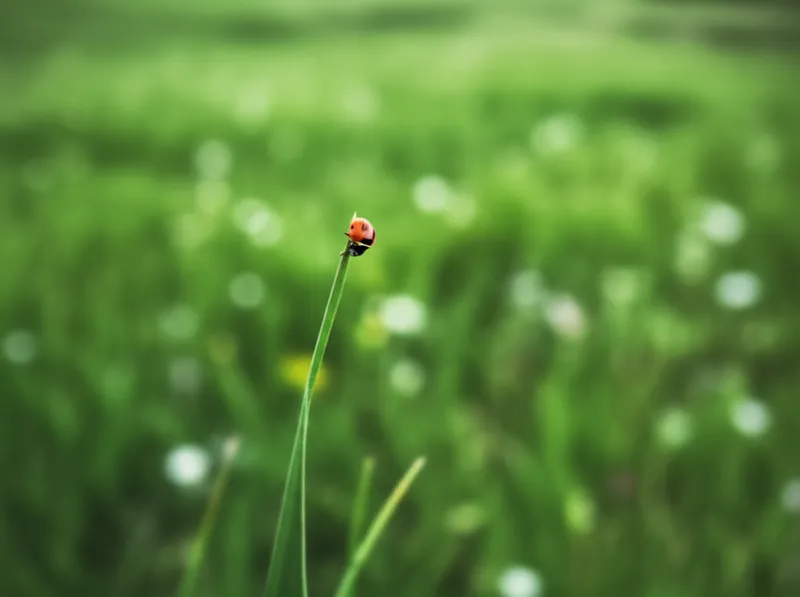
adjective Descargar 🔗Compartir Pequeño, diminuto Small, little. Examples : "You looked a little cold, so I lit a wee fire." Parecías un poco frío, así que encendí un fueguito. amount quality Chat con IAJuego de vocabularioPracticar lectura
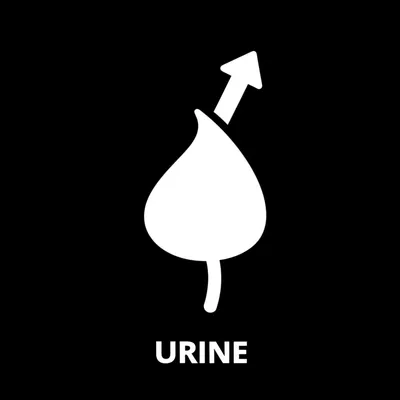
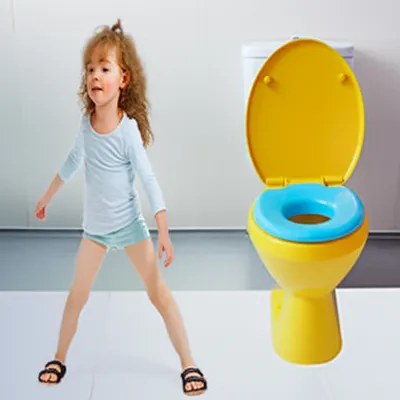
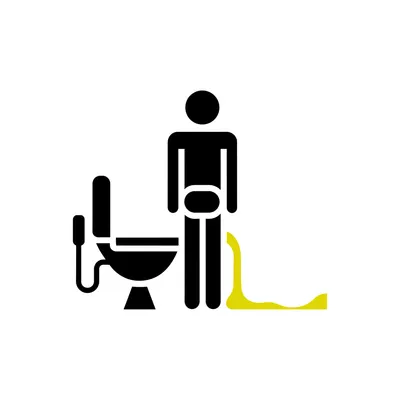
noun Descargar 🔗Compartir Orina, pipí Urine. Examples : "The dog had an accident and left a puddle of wee on the rug. " El perro tuvo un accidente y dejó un charco de orina en la alfombra. body physiology Chat con IAJuego de vocabularioPracticar lectura
noun Descargar 🔗Compartir Orinar, mear An act of urination. Examples : "I need to have a wee" Necesito orinar. body physiology function Chat con IAJuego de vocabularioPracticar lectura
verb Descargar 🔗Compartir Orinar, mear To urinate. Examples : "The dog wee'd on the front porch again. " El perro orinó en el porche delantero otra vez. physiology body sex human medicine animal Chat con IAJuego de vocabularioPracticar lectura
pronoun Descargar 🔗Compartir Nosotros (personal) The speakers/writers, or the speaker/writer and at least one other person (not the person being addressed). (This is the exclusive we.) Examples : "We are going to the park after school today. " Nosotros vamos al parque después de la escuela hoy. grammar language word linguistics Chat con IAJuego de vocabularioPracticar lectura
pronoun Descargar 🔗Compartir Nosotros (personal) The speaker(s)/writer(s) and the person(s) being addressed. (This is the inclusive we.) Examples : ""If wee work together on this project, I'm sure wee can finish it on time." " Si nosotros trabajamos juntos en este proyecto, estoy seguro de que podemos terminarlo a tiempo. grammar language linguistics word person Chat con IAJuego de vocabularioPracticar lectura
pronoun Descargar 🔗Compartir Yo (personal) The speaker/writer alone. (This use of we is the editorial we, used by writers and others, including royalty—the royal we—as a less personal substitute for I. The reflexive case of this sense of we is ourself.) Examples : "After careful consideration, wee believe this new policy will benefit all employees. " Después de una cuidadosa consideración, creo que esta nueva política beneficiará a todos los empleados. language grammar writing Chat con IAJuego de vocabularioPracticar lectura
pronoun Descargar 🔗Compartir Nosotros (personal) The plural form of you, including everyone being addressed. Examples : "How are we all tonight?" ¿Cómo estamos todos esta noche? language grammar word linguistics Chat con IAJuego de vocabularioPracticar lectura
pronoun Descargar 🔗Compartir Tú (personal, often considered patronising) A second- or third-person pronoun for a person in the speaker's care. Examples : "How are we feeling this morning?" ¿Cómo te sientes esta mañana? language linguistics grammar word person Chat con IAJuego de vocabularioPracticar lectura