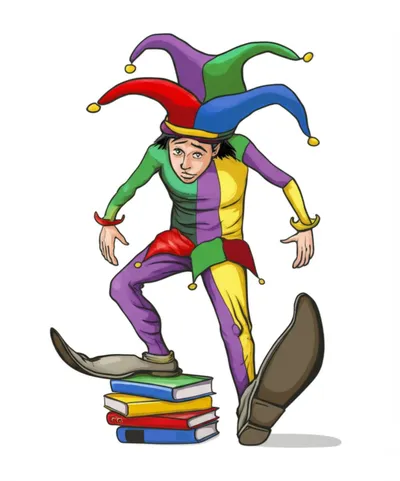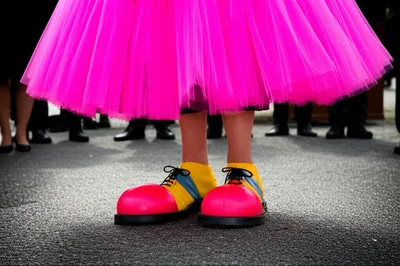



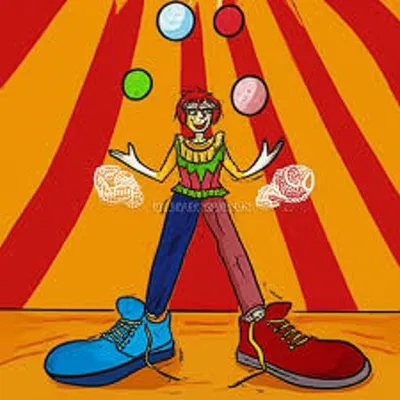
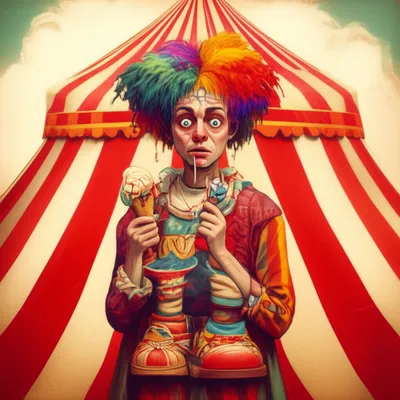
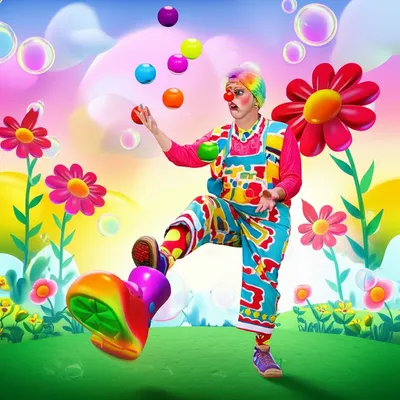

noun🔗Share道化師A slapstick performance artist often associated with a circus and usually characterized by bright, oversized clothing, a red nose, face paint, and a brightly colored wig."The clown entertained the children at the school fair. "道化師は学校のフェアで子供たちを楽しませた。entertainmentpersoncharactercultureartstyleappearanceChat with AIVocabulary GamePractice Reading
noun🔗Share道化師, ピエロA person who acts in a silly fashion."The clown at the birthday party made everyone laugh with his silly jokes and funny faces. "誕生日のパーティーの道化師は、彼のばかげたジョークと面白い顔でみんなを笑わせました。personentertainmentcharacterChat with AIVocabulary GamePractice Reading
noun🔗Shareばか者, 愚か者A stupid person."He spilled coffee all over the important documents; what a clown. "彼は重要な書類にコーヒーをこぼした。なんて愚か者なんだ。personcharacterattitudeChat with AIVocabulary GamePractice Reading
noun🔗Share粗野な男, 無作法者A man of coarse nature and manners; an awkward fellow; an illbred person; a boor."My uncle is a real clown at family gatherings; he always says inappropriate things and makes everyone uncomfortable. "私のおじは家族の集まりでは本当に無作法者で、いつも不適切なことを言って皆を不快にさせます。characterpersonhumanChat with AIVocabulary GamePractice Reading
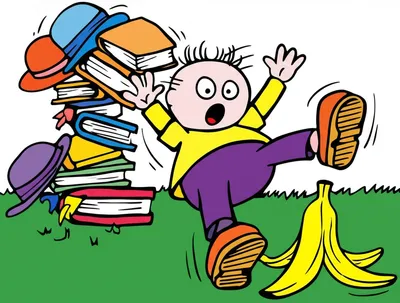
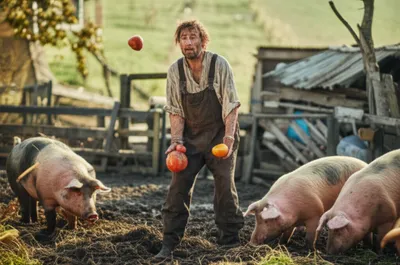
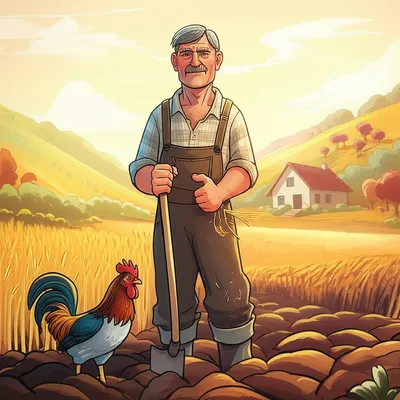
noun🔗Share農夫, 田夫, 田舎者One who works upon the soil; a rustic; a churl; a yokel."The new farmhand was a clumsy clown, often tripping over things in the fields. "新しい農夫は不器用な田舎者で、畑でよく物に躓いていた。personagriculturejobChat with AIVocabulary GamePractice Reading
verb🔗Share道化を演じる, ふざけるTo act in a silly or playful fashion."My little brother likes to clown around after dinner, making funny faces and telling jokes. "弟は夕食後、面白い顔をしたり冗談を言ったりして、ふざけるのが好きです。entertainmentactioncharacterChat with AIVocabulary GamePractice Reading
verb🔗Share嘲笑する, からかうTo ridicule."The politician tried to clown the opposition's proposal, highlighting its flaws to make it seem ridiculous. "その政治家は、野党の提案を嘲笑し、その欠陥を強調して、それをばかげているように見せようとした。entertainmentattitudeactionhumancharacterChat with AIVocabulary GamePractice Reading