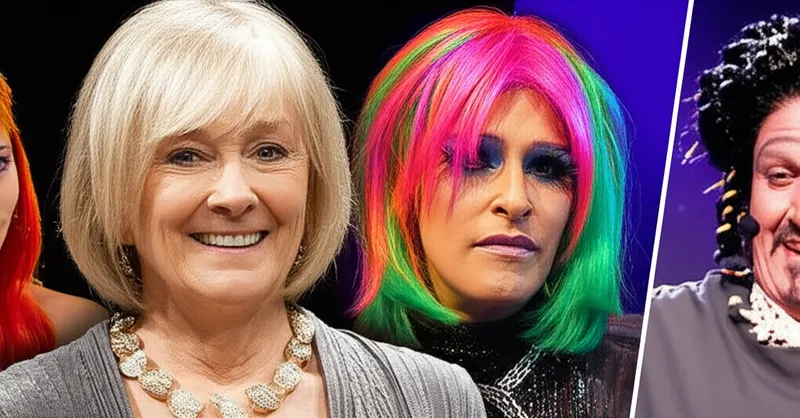
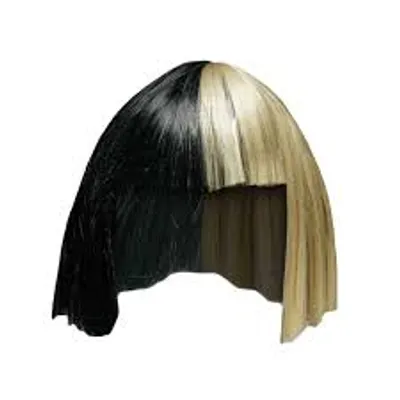
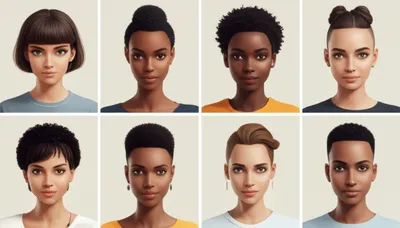
noun ダウンロード 🔗共有 かつら A head of real or synthetic hair worn on the head to disguise baldness, for cultural or religious reasons, for fashion, or by actors to help them better resemble the character they are portraying. Examples : "The actor wore a wig to portray the old, bald king in the school play. " 俳優は、学校劇で老いたハゲの王を演じるためにかつらをかぶった。 appearance culture entertainment style wear AIとチャット語彙ゲーム読解練習
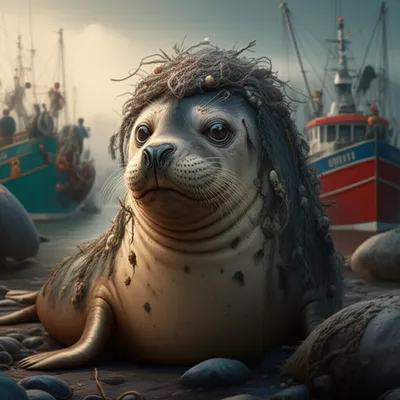
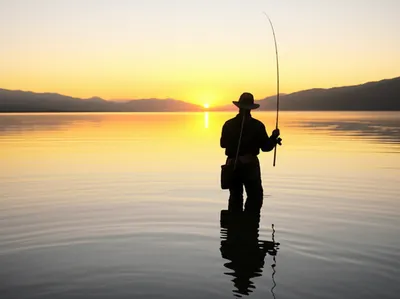
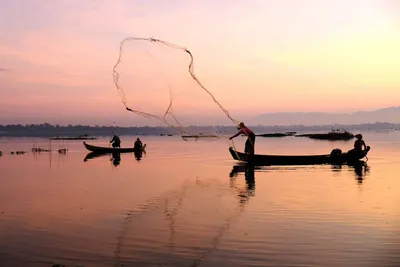
noun ダウンロード 🔗共有 老いたアザラシ (among fishermen) An old seal. Examples : "The old fisherman pointed at the seal basking on the rocks and said, "That's a wig; been around these parts for years." " 老漁師は岩の上で日光浴をしているアザラシを指さし、「あれは老いたアザラシだ。何年もこの辺りにいるんだ」と言った。 animal fish nautical AIとチャット語彙ゲーム読解練習
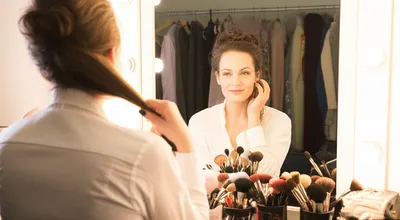
verb ダウンロード 🔗共有 かつらをかぶせる To put on a wig; to provide with a wig (especially of an actor etc.). Examples : "Before the play, the makeup artist will wig each actor with a historically accurate hairstyle. " 劇の前に、メイクアップアーティストは、歴史的に正確な髪型で各俳優にかつらをかぶせます。 appearance entertainment style culture AIとチャット語彙ゲーム読解練習
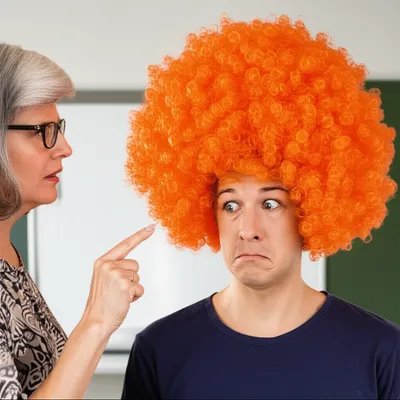
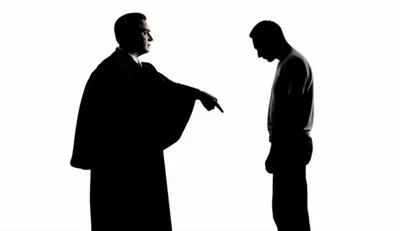
verb ダウンロード 🔗共有 叱責する, 𠮟責する To upbraid, reprimand. Examples : "The teacher wigged out at the student for talking during class. " 先生は授業中に話していた生徒を叱責した。 communication language word action AIとチャット語彙ゲーム読解練習
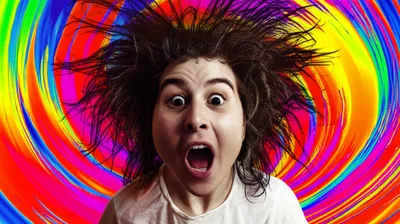
verb ダウンロード 🔗共有 激昂する, 取り乱す To become extremely emotional or excitable; to lose control of one's emotions. Examples : "When the student realized he had forgotten to study for the final exam, he started to wig. " 生徒は期末試験の勉強を忘れたことに気づくと、激昂し始めた。 emotion mind character human AIとチャット語彙ゲーム読解練習