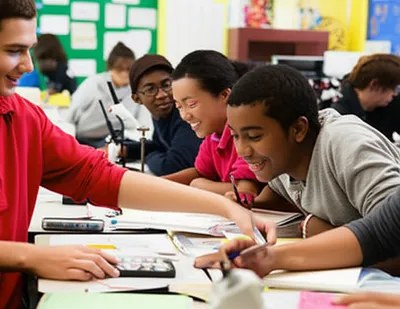



noun🔗Share嘲笑, 嘲りDerision; mocking or humiliating words or behaviour"The student's poor performance on the test became the subject of ridicule from his classmates. "その生徒のテストでの悪い成績は、クラスメートからの嘲笑の的となった。attitudecommunicationcharactersocietyemotionChat with AIVocabulary GamePractice Reading
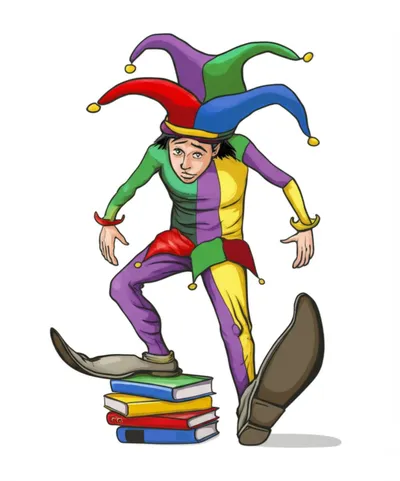
noun🔗Share嘲笑の的, 笑いものAn object of sport or laughter; a laughing stock."His constant mistakes in class turned him into the ridicule of the other students. "授業での彼の絶え間ないミスは、彼を他の生徒たちの嘲笑の的としました。attitudecharacteremotionChat with AIVocabulary GamePractice Reading
noun🔗Share嘲笑, 嘲りThe quality of being ridiculous; ridiculousness."The comedian's performance was full of the ridicule of everyday situations. "コメディアンのパフォーマンスは、日常的な状況に対する嘲笑に満ちていた。attitudecharacterqualityemotionChat with AIVocabulary GamePractice Reading
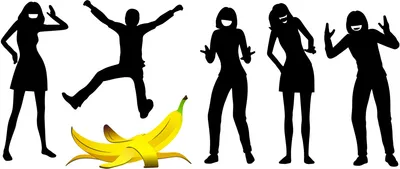
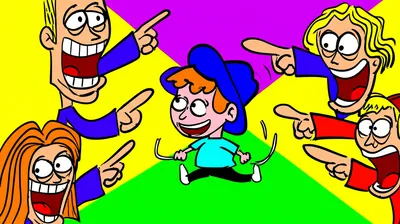
verb🔗Share嘲笑する, あざけるTo criticize or disapprove of someone or something through scornful jocularity; to make fun of"His older sibling constantly ridiculed him with sarcastic remarks."彼の兄は、皮肉な発言で彼を常に嘲笑した。attitudecharacteremotionhumanmindactionsocietyChat with AIVocabulary GamePractice Reading
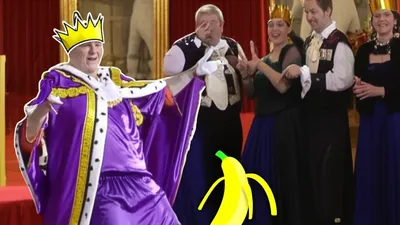
adjective🔗Shareばかげた, 笑止なRidiculous"His suggestion to wear a banana suit to the school picnic was utterly ridiculous. "学校のピクニックにバナナのスーツを着るという彼の提案は、全くもってばかげたものだった。attitudecharacterqualityChat with AIVocabulary GamePractice Reading
noun🔗Share小さなハンドバッグA small woman's handbag; a reticule."She carried her grandmother's antique ridicule to the party. "彼女は祖母のアンティークの小さなハンドバッグをパーティーに持っていきました。wearstyleitemthingappearanceChat with AIVocabulary GamePractice Reading