

infinitive
Meanings

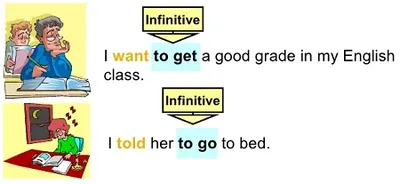

不定詞
Examples :



Related Words
dictionary noun
/ˈdɪkʃəˌnɛɹi/ /ˈdɪkʃ(ə)n(ə)ɹi/
辞書
"To understand the word "optimistic," I looked it up in the dictionary. "
「楽観的」という言葉を理解するために、辞書で調べました。




grammatical adjective
/ɡɹəˈmætɪkəl/
文法上の
"Your writing is not grammatical enough for publication."
あなたの文章は出版するには文法上十分ではありません。


possibilities noun
/ˌpɒsɪˈbɪlitiz/ /ˌpɑsɪˈbɪlitiz/
可能性



constructing verb
/kənˈstrʌktɪŋ/ /kənˈstrʌktɪn/
建設する, 組み立てる

subordinate noun
/səˈbɔːrdənət/ /ˈsɔːbɔːrdənət/
部下
"The subordinate in the student council is responsible for organizing the school dances. "
生徒会の部下は、学校のダンスを企画する責任があります。

graduation noun
/ˌɡɹædʒuˈeɪʃən/
卒業
"After years of hard work, Maria's graduation from university was a joyful celebration. "
長年の努力の末、マリアの大学卒業は喜ばしいお祝いでした。