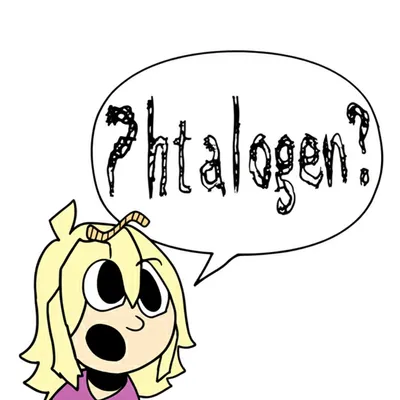







verb🔗Shareサ行の発音が不明瞭になる, 舌足らずになるTo pronounce the consonant ‘s’ imperfectly; to give ‘s’ and ‘z’ the sounds of ‘th’ (/θ/). This is a speech impediment common among children."The little boy was lisping when he said "sun," pronouncing it more like "thun." "その小さな男の子は「太陽」と言うとき、まるで「サ行」の発音が不明瞭で、「サン」を「サン」ではなく「スン」のように発音していました。phoneticslanguagecommunicationmedicinelinguisticsChat with AIVocabulary GamePractice Reading
verb🔗Share舌足らずで話す, 発音がおかしいTo speak with imperfect articulation; to mispronounce, such as a child learning to talk."The little boy was lisping slightly as he read his story aloud in class, mispronouncing his "s" sounds. "その小さな男の子は、授業で自分の物語を声に出して読んでいるとき、少し舌足らずで、「s」の音を間違って発音していました。languagephoneticscommunicationChat with AIVocabulary GamePractice Reading
verb🔗Shareどもる, しゃべるTo speak hesitatingly and with a low voice, as if afraid."The shy student was lisping as he answered the teacher's question, barely audible in the quiet classroom. "内気な生徒は、静かな教室でほとんど聞こえない声で、先生の質問にどもりながら答えた。languagecommunicationphoneticsChat with AIVocabulary GamePractice Reading
verb🔗Shareどもる, 子供っぽい話し方をするTo express by the use of simple, childlike language."The child lisped about his excitement for the new school year. "子供は新学期への興奮をどもって話した。languagecommunicationChat with AIVocabulary GamePractice Reading
verb🔗Shareどもる, ささやくTo speak with reserve or concealment; to utter timidly or confidentially."to lisp treason"反逆をどもる。communicationlanguagesoundChat with AIVocabulary GamePractice Reading
noun🔗Share舌足らずな話し方That which is spoken in a lisp."The child's lisping was adorable, making "spaghetti" sound like "thpaghetti." "子供の舌足らずな話し方は可愛らしく、「スパゲッティ」が「ツパゲッティ」のように聞こえました。languagephoneticscommunicationsoundChat with AIVocabulary GamePractice Reading