



noun🔗Shareサ行の発音, 舌足らずThe habit or an act of lisping."He used to have a terrible lisp before going to a speech therapist."彼は言語療法士に行く前は、ひどいサ行の発音をしていました。languagephoneticsmedicinecommunicationChat with AIVocabulary GamePractice Reading
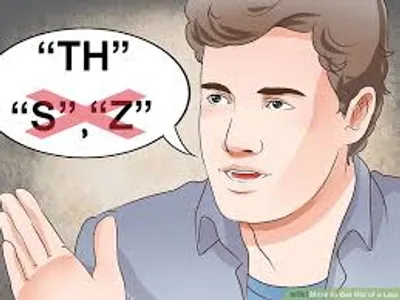
verb🔗Shareサ行の発音が不明瞭になるTo pronounce the consonant ‘s’ imperfectly; to give ‘s’ and ‘z’ the sounds of ‘th’ (/θ/). This is a speech impediment common among children."My little brother still lisps when he says "sister." "私の弟はまだ「シスター」と言うとき、サ行の発音が不明瞭になります。phoneticslanguagemedicinecommunicationlinguisticsChat with AIVocabulary GamePractice Reading
verb🔗Share舌足らずで話す, 発音がおかしいTo speak with imperfect articulation; to mispronounce, such as a child learning to talk."The little girl started to lisp when she tried to say her "s" sounds, making them sound like "th." "その小さな女の子は、「s」の音を発音しようとしたとき、舌足らずになり始め、「th」のように聞こえました。languagephoneticscommunicationChat with AIVocabulary GamePractice Reading
verb🔗ShareどもるTo speak hesitatingly and with a low voice, as if afraid."After being caught cheating on the test, the student could only lisp an apology to the teacher. "テストでカンニングが発覚した後、生徒は先生に謝罪の言葉をどもるしかなかった。languagephoneticscommunicationsoundChat with AIVocabulary GamePractice Reading
verb🔗Share舌足らずに話すTo express by the use of simple, childlike language."The toddler, still learning to talk, would lisp his requests for "wawa" (water). "まだ話し方を学んでいる幼児は、「ワワ」(水)を求めて舌足らずに話しました。languagecommunicationChat with AIVocabulary GamePractice Reading
verb🔗Shareどもる, ささやくTo speak with reserve or concealment; to utter timidly or confidentially."to lisp treason"反逆をささやく。communicationlanguagewordChat with AIVocabulary GamePractice Reading