noun ダウンロード 🔗共有 混乱、ごちゃ混ぜ、混乱 A mixture; a confusion; a garble. Examples : "The muddle of nervous speech he uttered did not have much meaning." 彼が口にした神経質なスピーチの混乱には、あまり意味がなかった。 condition situation communication language mind AIとチャット語彙ゲーム読解練習
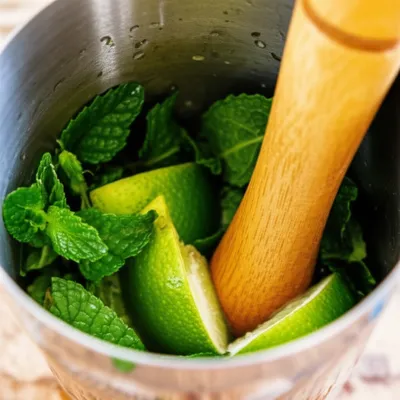
noun ダウンロード 🔗共有 混ぜ合わせたもの A mixture of crushed ingredients, as prepared with a muddler. Examples : "The bartender carefully layered the muddles of mint and lime in the glass before adding rum and soda. " バーテンダーは、ラムとソーダを加える前に、ミントとライムを混ぜ合わせたものをグラスに丁寧に重ねました。 drink food utensil AIとチャット語彙ゲーム読解練習
verb ダウンロード 🔗共有 混ぜる, 混乱させる, ごちゃ混ぜにする To mix together, to mix up; to confuse. Examples : "Young children tend to muddle their words." 幼い子供は言葉を混ぜる傾向がある。 mind language communication AIとチャット語彙ゲーム読解練習
verb ダウンロード 🔗共有 軽く潰す To mash slightly for use in a cocktail. Examples : "He muddled the mint sprigs in the bottom of the glass." 彼はグラスの底でミントの枝を軽く潰した。 drink food utensil AIとチャット語彙ゲーム読解練習
verb ダウンロード 🔗共有 泥遊びをする To dabble in mud. Examples : "The children playfully muddles in the puddles after the rain, covering their boots in mud. " 子供たちは雨の後、水たまりで楽しそうに泥遊びをし、ブーツを泥だらけにしています。 environment nature action AIとチャット語彙ゲーム読解練習
verb ダウンロード 🔗共有 濁らせる, 混乱させる To make turbid or muddy. Examples : "The children's splashing muddles the clear water in the shallow stream. " 子供たちの水しぶきが、浅い小川の澄んだ水を濁らせる。 environment nature AIとチャット語彙ゲーム読解練習
verb ダウンロード 🔗共有 混乱する, 混乱させる To think and act in a confused, aimless way. Examples : "After waking up late, he muddles through his morning routine, forgetting his keys and putting on mismatched socks. " 寝坊した後、彼は鍵を忘れ、左右違う靴下を履いて、朝のルーティンを混乱させる。 mind action way AIとチャット語彙ゲーム読解練習
verb ダウンロード 🔗共有 混乱させる, 困惑させる To cloud or stupefy; to render stupid with liquor; to intoxicate partially. Examples : "The strong cough syrup muddles my thinking, making it hard to focus on my homework. " 強い咳止めシロップは私の思考を混乱させ、宿題に集中しにくくします。 mind drink body AIとチャット語彙ゲーム読解練習
verb ダウンロード 🔗共有 浪費する, 無駄にする To waste or misuse, as one does who is stupid or intoxicated. Examples : "He often muddles his allowance by buying candy and toys he doesn't need, leaving him broke before the week is over. " 彼は、必要のないお菓子や玩具を買って小遣いを浪費することが多く、週が終わる前に金欠になってしまう。 attitude character mind AIとチャット語彙ゲーム読解練習