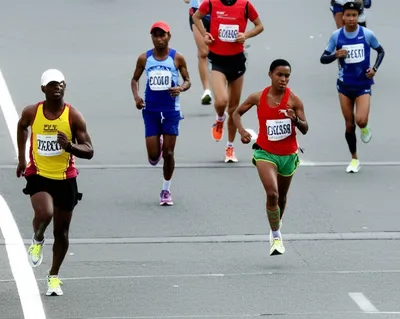
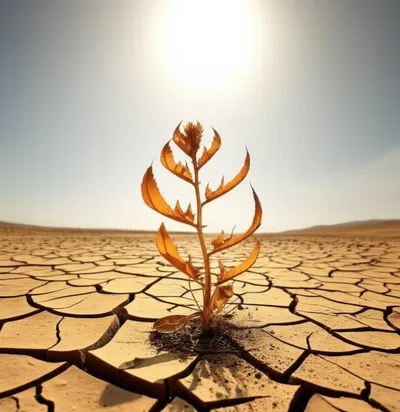
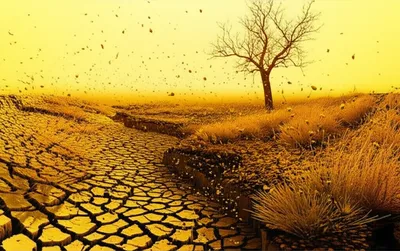
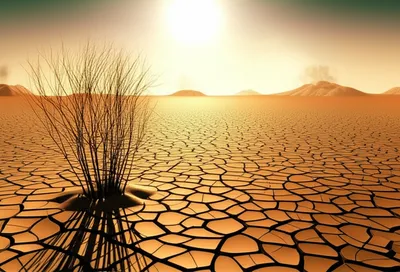
noun🔗Share乾燥、干ばつThe condition of being parched."After running the marathon, the athlete felt the parch in their throat and immediately reached for water. "マラソンを走った後、アスリートは喉の乾燥を感じ、すぐに水に手を伸ばした。conditionChat with AIVocabulary GamePractice Reading
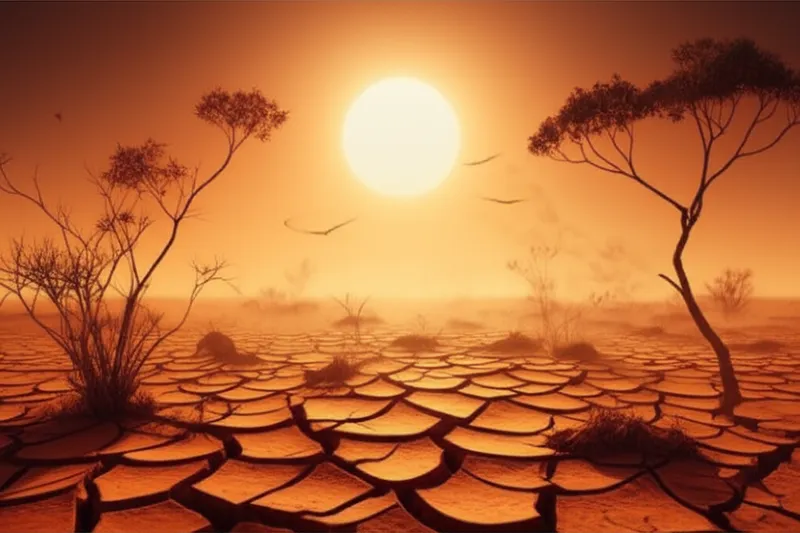
verb🔗Share焼く, 焦がすTo burn the surface of, to scorch."The sun today could parch cement."今日の太陽はセメントを焦がすかもしれない。weatherdisasternatureenvironmentChat with AIVocabulary GamePractice Reading
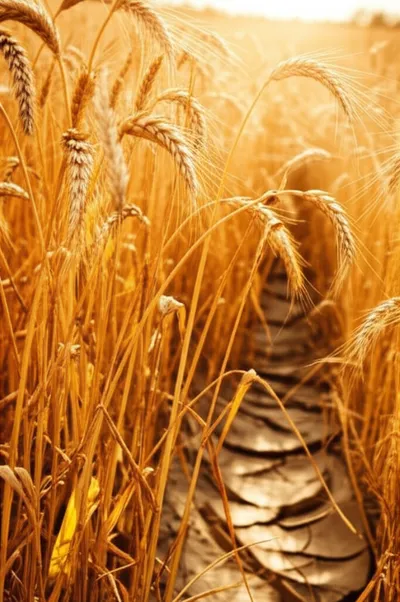
verb🔗Share煎るTo roast, as dry grain."My grandmother used to parch corn kernels in a cast iron skillet until they were browned and crispy. "祖母は、トウモロコシの粒が茶色くカリカリになるまで、鋳鉄製のフライパンで煎っていました。foodagricultureChat with AIVocabulary GamePractice Reading
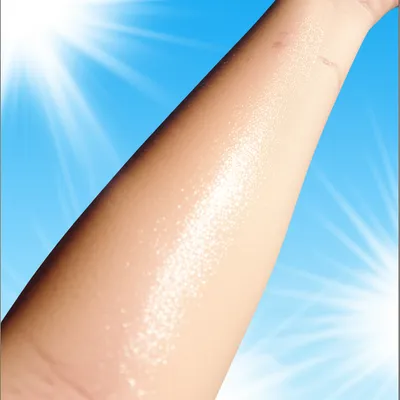
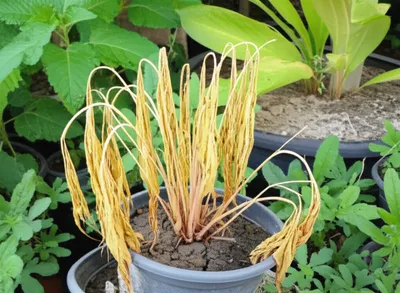
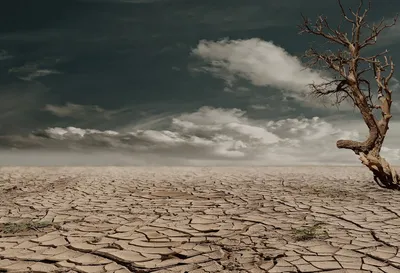
verb🔗Share干からびる, 乾くTo dry to extremity; to shrivel with heat."The hot desert sun can quickly parch your skin and lips. "熱い砂漠の太陽は、あなたの肌と唇をすぐに干からびさせることがあります。environmentweathernatureChat with AIVocabulary GamePractice Reading
verb🔗Share乾かす, 渇かせるTo make thirsty."The hot sun can parch your throat if you don't drink enough water. "十分な水を飲まないと、熱い太陽は喉を渇かせることがあります。physiologysensationChat with AIVocabulary GamePractice Reading
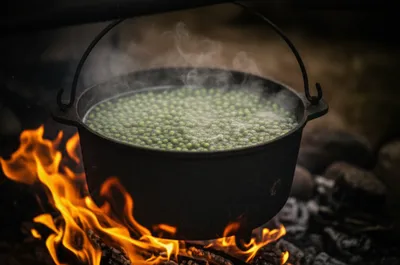
verb🔗Share弱火で煮るTo boil something slowly (Still used in Lancashire in parched peas, a type of mushy peas)."My grandma still likes to parch the peas for hours until they're perfectly mushy for her special pea soup. "祖母は、特別な豆スープのために、完璧に柔らかくなるまで、今でも何時間も豆を弱火で煮るのが好きです。foodvegetableagricultureChat with AIVocabulary GamePractice Reading
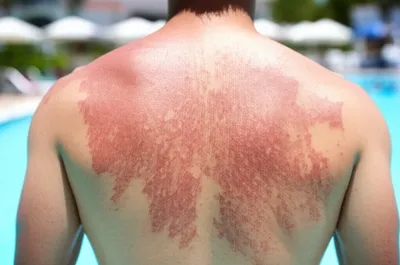
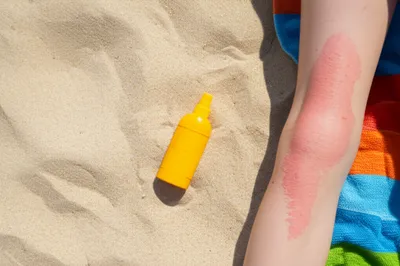
verb🔗Share干上がる, 日焼けするTo become superficially burnt; be become sunburned."The locals watched, amused, as the tourists parched in the sun, having neglected to apply sunscreen or bring water."地元の人々は、日焼け止めを塗ったり水を持参したりするのを怠った観光客が太陽の下で干上がっていくのを面白がって見ていた。appearanceweatherbodyChat with AIVocabulary GamePractice Reading