





noun🔗Share불경스러운 사람A person or thing that is profane."The loud, profane in the cafeteria caused a disruption. "카페테리아의 시끄러운 불경스러운 사람이 소란을 일으켰다.religionmoraltheologyChat with AIVocabulary GamePractice Reading
noun🔗Share비(非) 메이슨A person not a Mason."My grandfather, a dedicated Mason, always referred to anyone who wasn't a member of the lodge as a profane. "헌신적인 메이슨이었던 할아버지는 로지 회원이 아닌 사람을 항상 비 메이슨이라고 불렀다.persongroupreligionChat with AIVocabulary GamePractice Reading
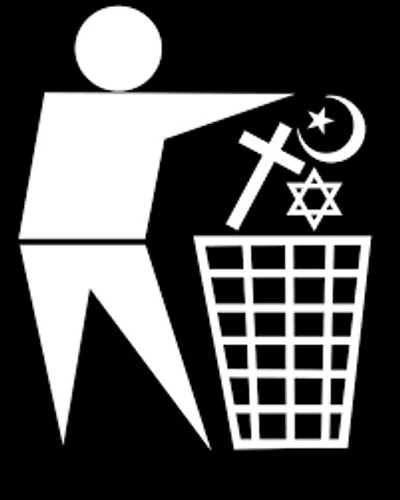
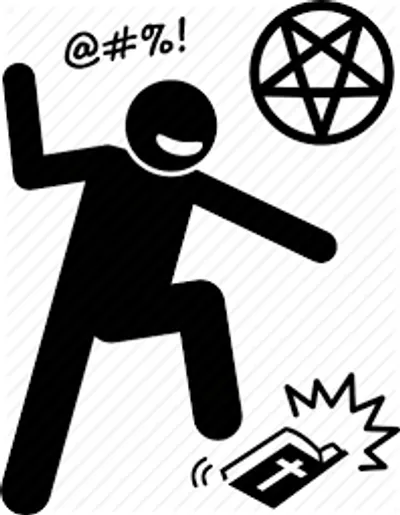
verb🔗Share모독하다, 훼손하다To violate (something sacred); to treat with abuse, irreverence, obloquy, or contempt; to desecrate"One should not profane the name of God."하나님을 모독해서는 안 된다.religionmoralattitudeculturetheologyChat with AIVocabulary GamePractice Reading
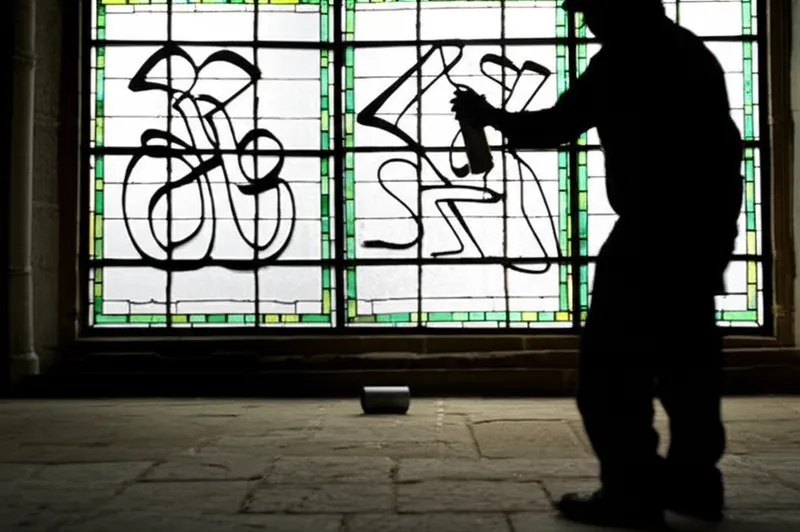
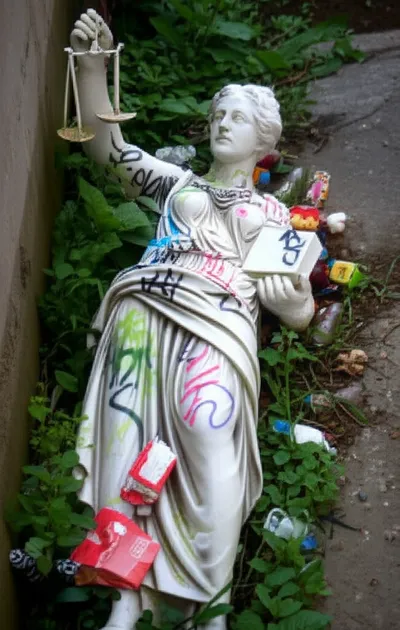
verb🔗Share모독하다, 훼손하다To put to a wrong or unworthy use; to debase; to abuse; to defile."The vandals tried to profane the memorial statue by painting graffiti on it. "반달들은 기념 조각상에 낙서를 하여 훼손하려 했다.religionmoralvalueattitudeChat with AIVocabulary GamePractice Reading
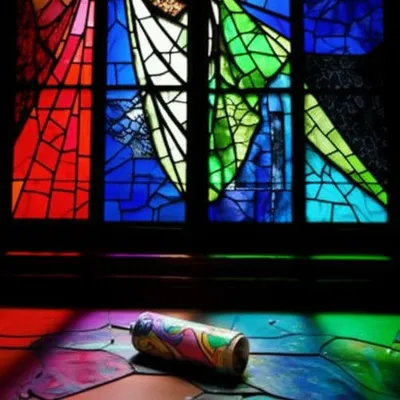
adjective🔗Share불경스러운, 신성 모독적인Unclean; ritually impure; unholy, desecrating a holy place or thing."The vandals used profane graffiti to deface the church walls. "반달들은 교회의 벽을 훼손하기 위해 불경스러운 낙서를 사용했다.religiontheologymoralcurseChat with AIVocabulary GamePractice Reading
adjective🔗Share불경스러운, 세속적인Not sacred or holy, unconsecrated; relating to non-religious matters, secular."profane authors"불경스러운 작가religionculturetheologyChat with AIVocabulary GamePractice Reading
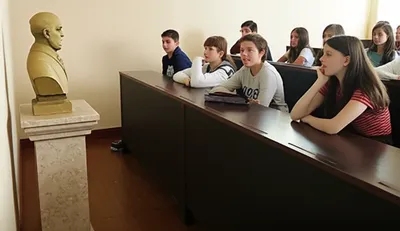
adjective🔗Share불경스러운, 신성 모독적인Treating sacred things with contempt, disrespect, irreverence, or scorn; blasphemous, impious."The student's profane language during the presentation offended many of the parents. "발표 중 학생의 불경스러운 언어는 많은 학부모들을 불쾌하게 했다.religiontheologymoralphilosophyChat with AIVocabulary GamePractice Reading
adjective🔗Share불경스러운, 신성 모독적인Irreverent in language; taking the name of God in vain"a profane person, word, oath, or tongue"불경스러운 사람, 단어, 맹세 또는 혀religionlanguagetheologymoralChat with AIVocabulary GamePractice Reading