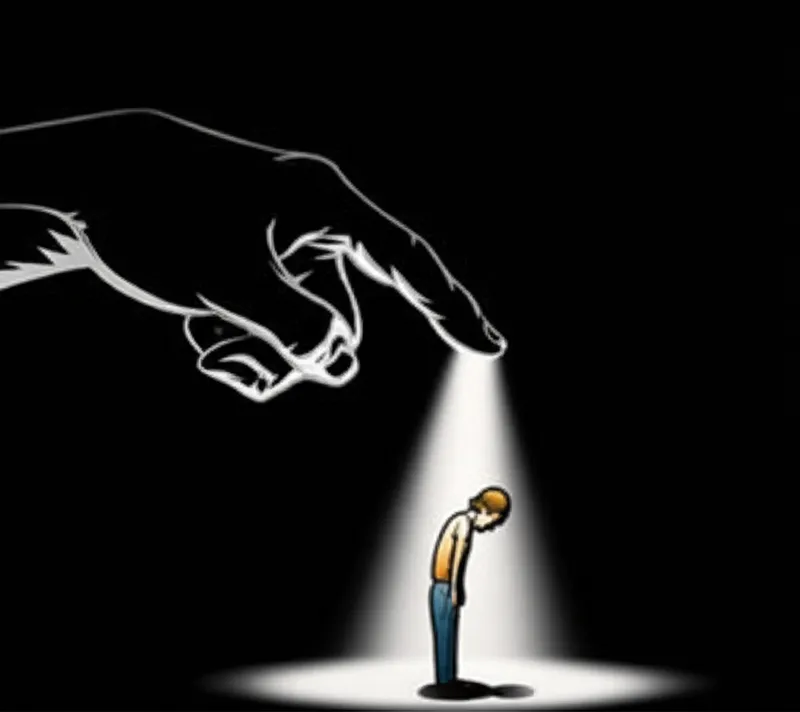




noun🔗Share비난, 책망The act of accusing or assigning culpability to"The constant blaming within the team made it difficult to solve problems effectively. "팀 내의 끊임없는 비난은 효과적인 문제 해결을 어렵게 만들었습니다.guiltactioncharacterattitudelawmoralnegativeChat with AIVocabulary GamePractice Reading
verb🔗Share비난하다, 나무라다To censure (someone or something); to criticize."The teacher was blaming the student for the noisy classroom. "선생님은 시끄러운 교실 때문에 학생을 비난하고 있었다.attitudecommunicationhumanactioncharactermoralChat with AIVocabulary GamePractice Reading
verb🔗Share비난하다, 나무라다To bring into disrepute."The teacher's constant criticism of the student's work was blaming him for the class's overall poor performance. "선생님의 학생 작품에 대한 끊임없는 비판은 학급 전체의 저조한 성적에 대해 그를 비난하는 것이었다.attitudemoralcharacterguiltChat with AIVocabulary GamePractice Reading
verb🔗Share비난하다, 탓하다(usually followed by "for") To assert or consider that someone is the cause of something negative; to place blame, to attribute responsibility (for something negative or for doing something negative)."The arsonist was blamed for the fire."방화범은 화재의 원인으로 비난받았다.attitudeactionguiltmoralnegativeemotioncharactersocietyhumanpersonChat with AIVocabulary GamePractice Reading