




noun🔗Share혼합물, 배합A mixture of two or more things."Our department has a good blend of experienced workers and young promise."우리 부서는 경험이 풍부한 직원과 젊은 유망주들의 좋은 혼합을 가지고 있습니다.compoundsubstancematerialChat with AIVocabulary GamePractice Reading
noun🔗Share혼성어, 합성어A word formed by combining two other words; a grammatical contamination, portmanteau word.""Brunch and smog are examples of common blends." "브런치와 스모그는 흔한 혼성어의 예시입니다.grammarlanguagewordlinguisticsChat with AIVocabulary GamePractice Reading
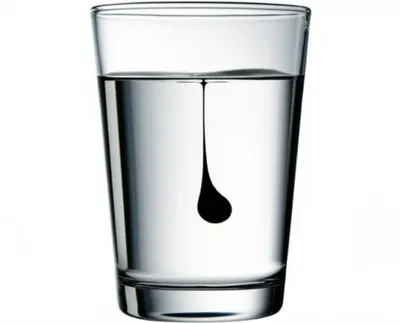
verb🔗Share섞다, 혼합하다, 융합하다To mingle; to mix; to unite intimately; to pass or shade insensibly into each other."To make hummus you need to blend chickpeas, olive oil, lemon juice and garlic."후무스를 만들려면 병아리콩, 올리브 오일, 레몬 주스, 마늘을 섞어야 합니다.processchemistryphysicsChat with AIVocabulary GamePractice Reading
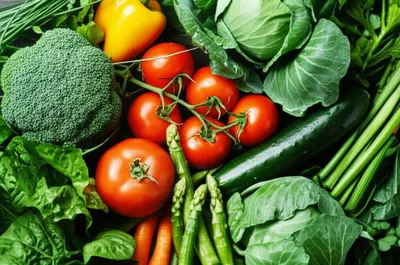
verb🔗Share섞다, 혼합하다To be mingled or mixed."The chef blends the fruits and vegetables to make a smoothie. "요리사는 스무디를 만들기 위해 과일과 채소를 섞습니다.materialchemistrysubstanceprocessChat with AIVocabulary GamePractice Reading
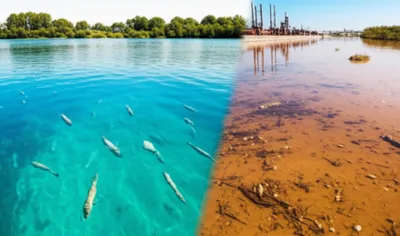
verb🔗Share섞다, 오염시키다, 망치다To pollute by mixture or association; to spoil or corrupt; to blot; to stain."The factory's waste blends into the river, polluting the water and harming the fish. "공장의 폐기물은 강으로 흘러 들어가 물을 오염시키고 물고기에게 해를 끼칩니다.environmentactionChat with AIVocabulary GamePractice Reading