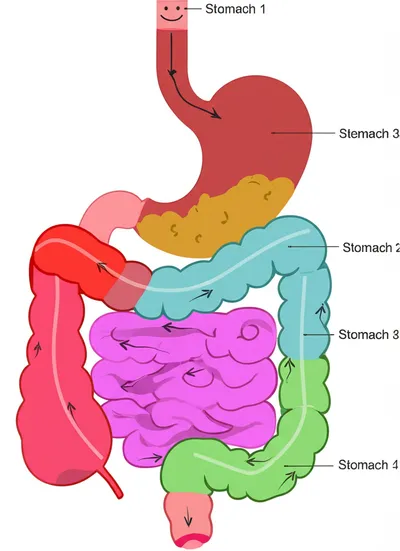
noun 다운로드 🔗공유 창자, 내장 A part or division of the intestines, usually the large intestine. Examples : "My grandmother's doctor said she needed to improve her bowel movements to feel better. " 할머니의 의사는 할머니가 더 나아지려면 배변 활동을 개선해야 한다고 말했습니다. anatomy organ body physiology medicine AI와 채팅어휘 게임독해 연습
noun 다운로드 🔗공유 창자, 내장 (in the plural) The entrails or intestines; the internal organs of the stomach. Examples : "The doctor examined the patient's bowel sounds to check for any digestive problems. " 의사는 소화 문제 여부를 확인하기 위해 환자의 장음을 검사했습니다. body organ anatomy physiology medicine biology AI와 채팅어휘 게임독해 연습
noun 다운로드 🔗공유 창자, 내장 (in the plural) The (deep) interior of something. Examples : "The treasures were stored in the bowels of the ship." 보물은 배의 내부에 보관되었다. part body AI와 채팅어휘 게임독해 연습
noun 다운로드 🔗공유 창자 (in the plural) The seat of pity or the gentler emotions; pity or mercy. Examples : "The principal, though strict, listened to the student's heartfelt apology and felt his bowels stirred with compassion, deciding to reduce the suspension. " 엄격한 교장 선생님은 학생의 진심 어린 사과를 듣고 연민으로 창자가 뒤틀리는 것을 느껴 정학 처분을 줄이기로 결정했습니다. emotion body organ physiology AI와 채팅어휘 게임독해 연습
noun 다운로드 🔗공유 자손, 후손 (in plural) offspring Examples : ""Abraham's bowel were said to be as numerous as the stars in the sky." " 아브라함의 자손은 하늘의 별만큼 많다고 전해졌다. family AI와 채팅어휘 게임독해 연습
verb 다운로드 🔗공유 내장을 꺼내다 To disembowel. Examples : "The angry mob, enraged by the betrayal, vowed to bowel the traitor. " 배신에 분노한 성난 폭도들은 배신자를 내장을 꺼내겠다고 맹세했다. body medicine anatomy organ action AI와 채팅어휘 게임독해 연습