

comparatives
Meanings




Examples :
"While often appreciated for their insightful observations, comparatives at the family dinner could sometimes unintentionally hurt feelings by constantly pointing out who was doing better in school or who earned more money. "
통찰력 있는 관찰력으로 종종 높이 평가받지만, 가족 저녁 식사 자리에서 비교하는 사람들은 학교에서 누가 더 잘하는지 또는 누가 더 많은 돈을 버는지 끊임없이 지적함으로써 때로는 의도치 않게 감정을 상하게 할 수 있었다.
Related Words




differences noun
/ˈdɪfɹənsɪz/
차이점, 다름

appreciated verb
/əˈpriːʃieɪtɪd/ /əˈpriːʃiˌeɪtɪd/
감사하다, 고마워하다
"I appreciate your efforts"
당신의 노고에 감사합니다.

comparative noun
/kəmˈpæɹ.ə.tɪv/ /kəmˈpɛɹ.ə.tɪv/
비교급
"The comparative of "tall" is "taller," showing the difference in height. "
“tall”의 비교급은 “taller”이며, 키의 차이를 보여줍니다.
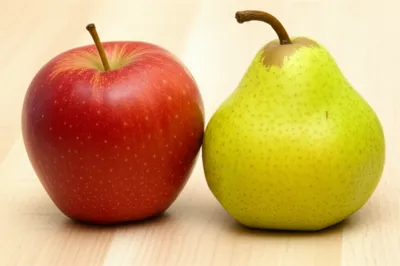
comparison noun
/kəmˈpæɹɪsən/
비교

unintentionally adverb
/ˌʌnɪnˈtɛnʃənəli/ /ˌʌnɪnˈtɛnʃənli/
의도하지 않게, 부주의하게

experience noun
/ɪkˈspɪə.ɹɪəns/ /ɪkˈspɪɹ.i.əns/
경험

comparisons noun
/kəmˈpærɪsnz/ /kəmˈpɛrɪsnz/
비교, 비교 행위

construction noun
/kənˈstɹʌkʃən/