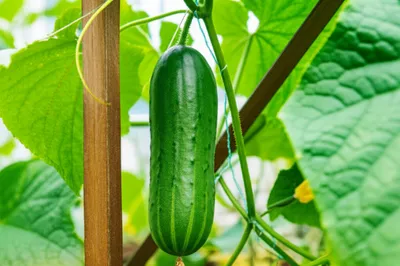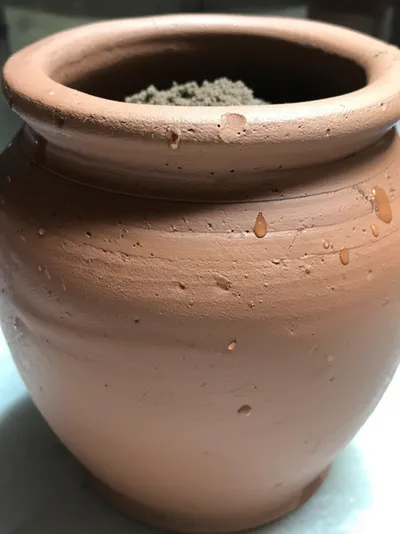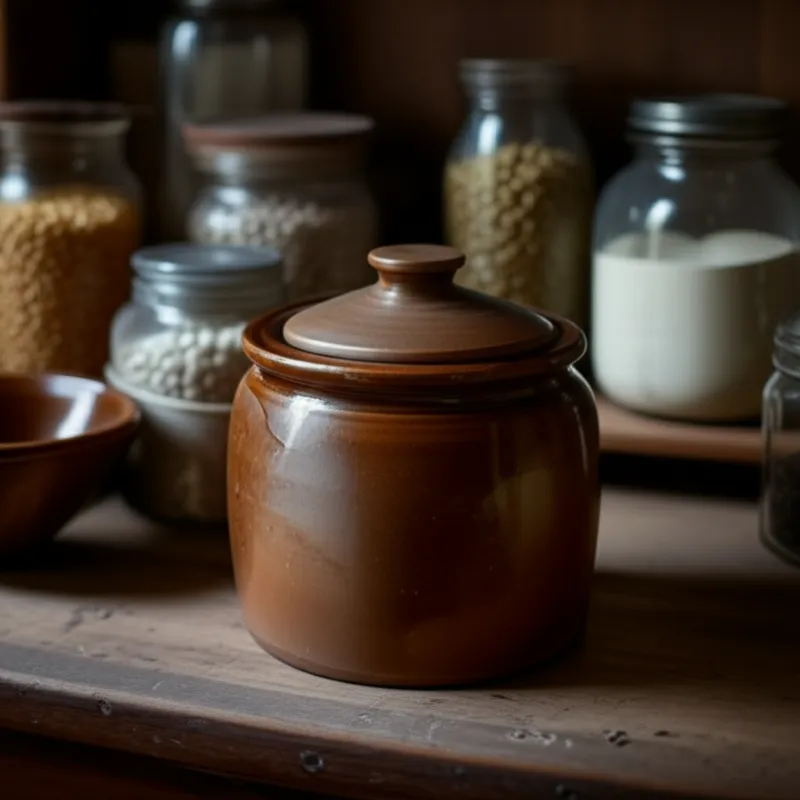




noun🔗Share옹기, 질그릇A stoneware or earthenware jar or storage container."My grandmother uses large crocks to pickle cucumbers from her garden. "할머니는 정원에서 수확한 오이를 절이기 위해 큰 옹기를 사용하신다.materialutensilitemChat with AIVocabulary GamePractice Reading
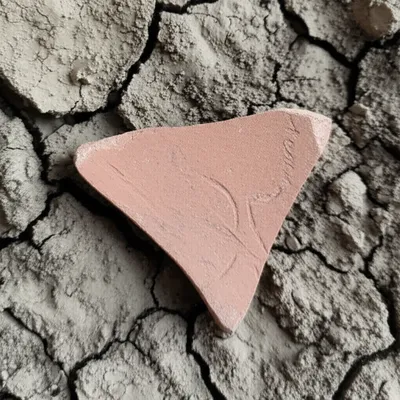
noun🔗Share조각, 파편A piece of broken pottery, a shard."While digging in the garden, I found some crocks from an old flowerpot. "정원에서 땅을 파다가 오래된 화분에서 나온 조각들을 발견했다.archaeologymaterialitemthingChat with AIVocabulary GamePractice Reading
noun🔗Share노인, 병자A person who is physically limited by age, illness or injury."old crocks’ home"노인 요양원agemedicinebodypersonhumanconditionChat with AIVocabulary GamePractice Reading
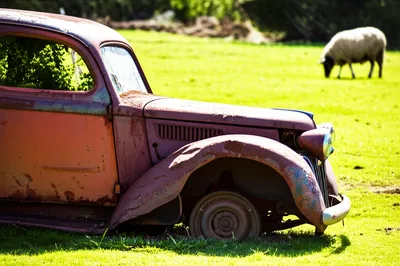
noun🔗Share낡거나 고장난 차량An old or broken-down vehicle (and formerly a horse or ewe)."old crocks race"낡은 차량들이 경주를 한다.vehicleanimalChat with AIVocabulary GamePractice Reading
noun🔗Share헛소리, 허튼 소리, 엉터리Silly talk, a foolish belief, a poor excuse, nonsense.""Don't listen to his complaints; they're just a bunch of crocks to get out of doing his chores." "그의 불평은 듣지 마세요. 그는 잡일을 하지 않으려고 헛소리를 하는 거예요.languagecommunicationattitudestatementwordphilosophyChat with AIVocabulary GamePractice Reading
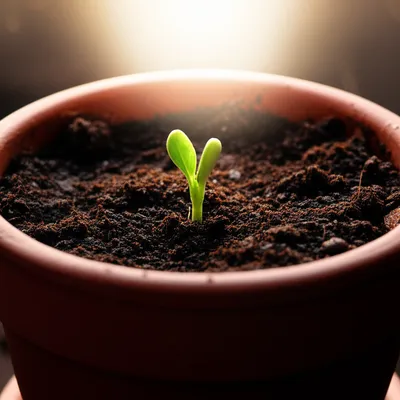
noun🔗Share낮은 의자A low stool."She sat on one of the crocks in the garden to weed the flowerbeds. "그녀는 꽃밭의 잡초를 뽑기 위해 정원에 있는 낮은 의자 중 하나에 앉았다.itemutensilChat with AIVocabulary GamePractice Reading
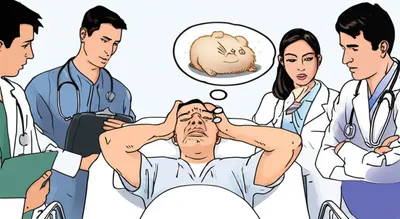
noun🔗Share꾀병 환자, 가짜 환자A patient who is difficult to treat, especially one who complains of a minor or imagined illness."The doctor suspected that many of his regular patients were simply crocks, always complaining about aches and pains with no real medical cause. "의사는 그의 정기 환자들 중 많은 수가 단순히 꾀병 환자였고, 실제 의학적 원인 없이 항상 통증과 고통을 호소한다고 의심했다.medicinepersonconditionhumanChat with AIVocabulary GamePractice Reading