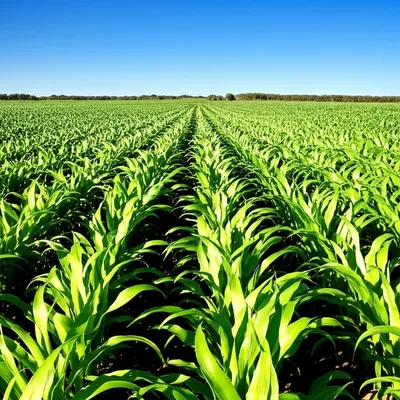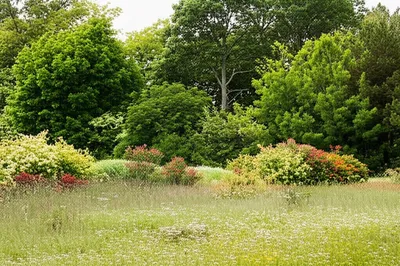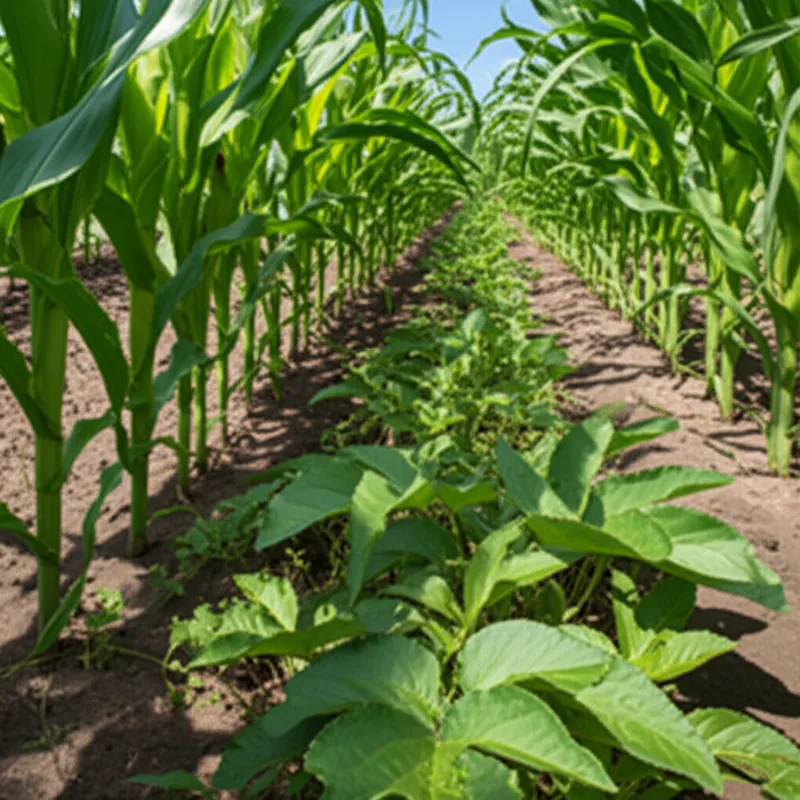

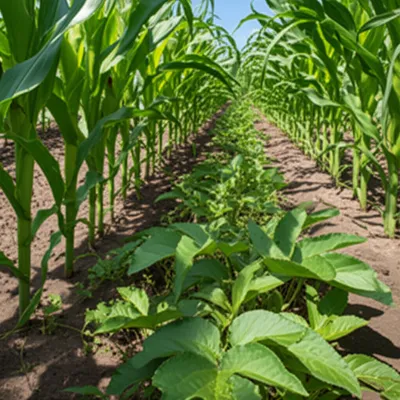


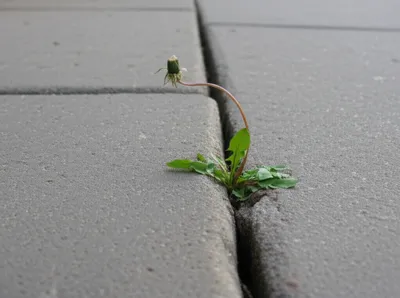
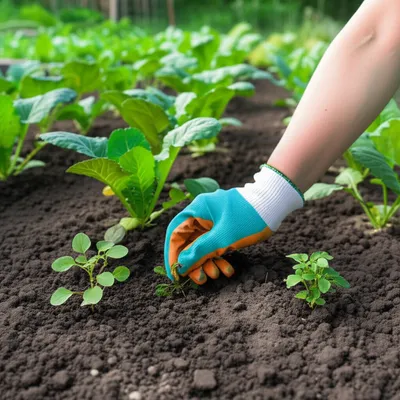



noun🔗Share잡초Any plant regarded as unwanted at the place where, and at the time when it is growing."The garden was overgrown with weeds, making it difficult to see the flowers. "정원은 잡초로 뒤덮여 꽃을 보기 어려웠다.plantagriculturebiologyenvironmentnatureChat with AIVocabulary GamePractice Reading
noun🔗Share개구리밥Short for duckweed."The pond near my school has a lot of weed. "우리 학교 근처 연못에는 개구리밥이 많다.plantbiologynatureorganismenvironmentChat with AIVocabulary GamePractice Reading
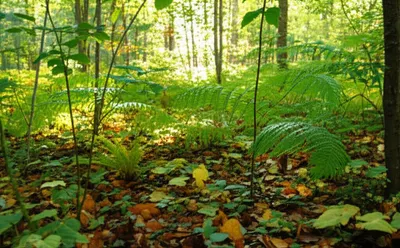
noun🔗Share잡초, 덤불Underbrush; low shrubs."The hikers carefully navigated the dense weed along the trail. "등산객들은 길을 따라 빽빽한 덤불을 조심스럽게 헤쳐나갔다.plantnatureenvironmentagricultureChat with AIVocabulary GamePractice Reading
noun🔗Share마리화나, 대마초A drug or the like made from the leaves of a plant."My friend said he tried a new kind of weed, but he felt terrible afterward. "내 친구는 새로운 종류의 마리화나를 피워봤는데, 그 후에 기분이 끔찍했다고 말했다.substanceplantmedicineChat with AIVocabulary GamePractice Reading
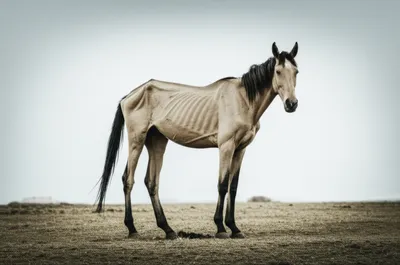
noun🔗Share약한 말A weak horse, which is therefore unfit to breed from."The farmer considered the young weed unsuitable for breeding, as it was too weak. "농부는 어린 약한 말을 너무 약해서 번식에 부적합하다고 여겼다.animalagricultureChat with AIVocabulary GamePractice Reading
noun🔗Share허약한 사람, 약골A puny person; one who has little physical strength."The new student, a small weed of a boy, struggled to carry his heavy backpack. "새 학생은, 작은 약골 소년이었는데, 그의 무거운 배낭을 메는 데 어려움을 겪었다.personhumanbodyChat with AIVocabulary GamePractice Reading
noun🔗Share잡초, 쓸모없는 것Something unprofitable or troublesome; anything useless."The extra paperwork was a weed that took up valuable time during the busy school week. "추가 서류 작업은 바쁜 학교 주간 동안 귀중한 시간을 빼앗아가는 잡초와 같았다.natureplantagricultureenvironmentChat with AIVocabulary GamePractice Reading
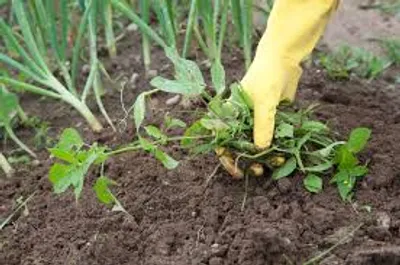
verb🔗Share잡초를 뽑다To remove unwanted vegetation from a cultivated area."I weeded my flower bed."나는 화단을 잡초를 뽑았다.agricultureplantenvironmentChat with AIVocabulary GamePractice Reading
noun🔗Share의복, 옷A garment or piece of clothing."My grandmother knitted a warm wool weed for my baby sister. "할머니는 아기 여동생을 위해 따뜻한 양모 옷을 짜셨다.wearstyleitemappearanceChat with AIVocabulary GamePractice Reading
noun🔗Share옷, 의복Clothing collectively; clothes, dress."My grandmother has a large collection of antique weed, which she carefully stores in her attic. "할머니는 골동품 옷을 많이 가지고 계시며, 다락방에 조심스럽게 보관하신다.appearancewearstyleChat with AIVocabulary GamePractice Reading
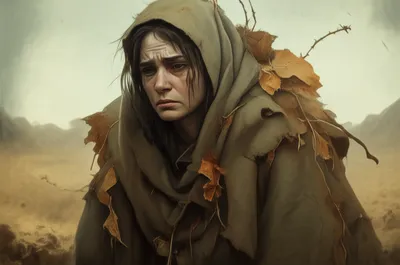
noun🔗Share상복, 수의An article of dress worn in token of grief; a mourning garment or badge."He wore a weed on his hat."그는 모자에 상복을 달았다.appearancecultureweartraditionstyleChat with AIVocabulary GamePractice Reading
noun🔗Share상복(especially in the plural as "widow's weeds") (Female) mourning apparel."After her grandmother's death, Amelia wore dark, somber weeds to the funeral. "할머니가 돌아가신 후, 아멜리아는 장례식에 어둡고 침울한 상복을 입었다.appearancecultureweartraditionfamilyreligionChat with AIVocabulary GamePractice Reading
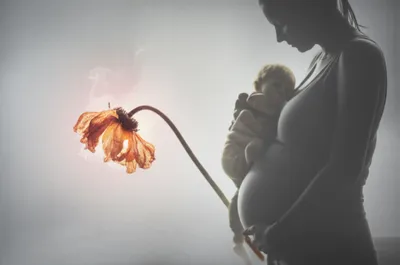
noun🔗Share산욕열A sudden illness or relapse, often attended with fever, which befalls those who are about to give birth, are giving birth, or have recently given birth or miscarried or aborted."The new mother suffered a severe weed during her postpartum recovery. "새 엄마는 산후 회복 기간 동안 심한 산욕열을 앓았다.medicinediseasephysiologybodyfamilyconditionChat with AIVocabulary GamePractice Reading
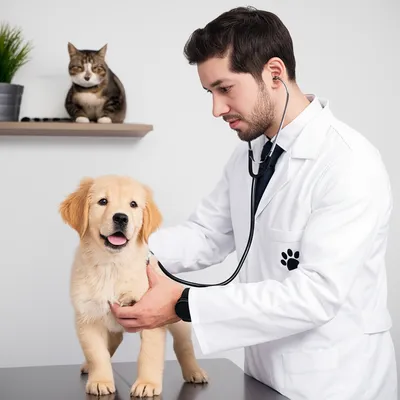
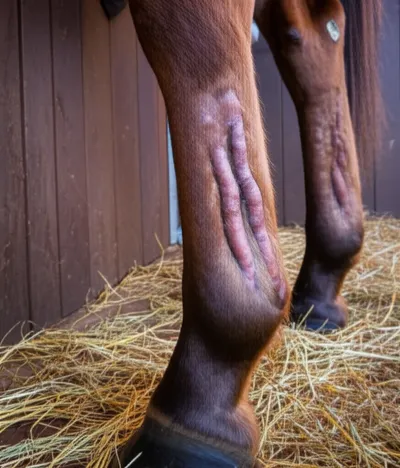
noun🔗Share말 림프관염Lymphangitis in a horse."The veterinarian diagnosed the horse with weed, which was causing swelling in its leg. "수의사는 말의 다리에 부기를 유발하는 말 림프관염을 진단했습니다.animaldiseasemedicineChat with AIVocabulary GamePractice Reading
verb🔗Share소변을 보다To urinate."The dog weed in the backyard. "개가 뒷마당에 소변을 봤다.physiologybodyactionChat with AIVocabulary GamePractice Reading