noun 다운로드 🔗공유 고인 The dead person (referred to). Examples : "My grandfather, the defunct, is missed by everyone in the family. " 고인이 되신 할아버지를 가족 모두가 그리워합니다. person human AI와 채팅어휘 게임독해 연습
verb 다운로드 🔗공유 무효화하다, 폐지하다 To make defunct. Examples : "The school board voted to defunct the outdated computer lab, replacing it with a modern technology center. " 학교 이사회는 구식 컴퓨터실을 폐지하고 현대 기술 센터로 교체하기로 투표했습니다. organization business state government AI와 채팅어휘 게임독해 연습
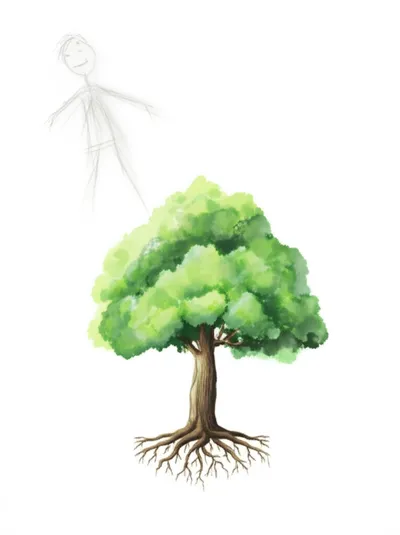
adjective 다운로드 🔗공유 고인이 된, 죽은 Deceased, dead. Examples : "The old family dog, unfortunately, is defunct. " 불행히도, 그 늙은 집 강아지는 고인이 되었다. being condition state past AI와 채팅어휘 게임독해 연습
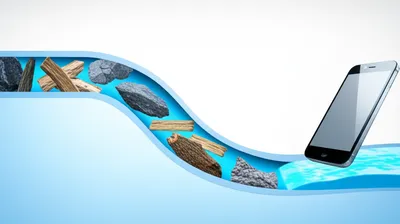
adjective 다운로드 🔗공유 사용되지 않는, 효력이 없는 No longer in use, inactive. Examples : "The old factory, now defunct, stands empty and silent, a reminder of the town's past. " 지금은 사용되지 않는 오래된 공장은 비어 있고 조용히 서 있으며, 마을의 과거를 상기시킨다. business history technology organization AI와 채팅어휘 게임독해 연습
adjective 다운로드 🔗공유 종료된, 죽은 Specifically, of a program: that has terminated but is still shown in the list of processes because the parent process that created it is still running and has not yet reaped it. See also zombie, zombie process. Examples : "The computer program I used for my presentation is now defunct, even though it's still listed in the task manager. " 프레젠테이션에 사용했던 컴퓨터 프로그램은 이제 종료되었지만, 작업 관리자에는 여전히 표시됩니다. computing technology process system technical AI와 채팅어휘 게임독해 연습
adjective 다운로드 🔗공유 사라진, 작동하지 않는 No longer in business or service. Examples : "The old video store is defunct; it closed down last year. " 오래된 비디오 가게는 사라졌습니다. 작년에 문을 닫았습니다. business economy AI와 채팅어휘 게임독해 연습
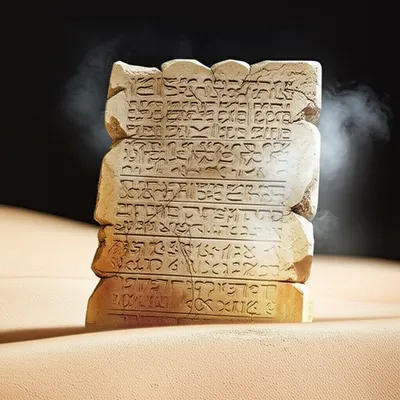
adjective 다운로드 🔗공유 사멸한, 더 이상 사용되지 않는 (of a language) No longer spoken. Examples : "Because no one speaks or learns it anymore, Cornish is considered a defunct language. " 더 이상 아무도 사용하거나 배우지 않기 때문에, 콘월어는 사멸한 언어로 여겨진다. language linguistics history AI와 채팅어휘 게임독해 연습