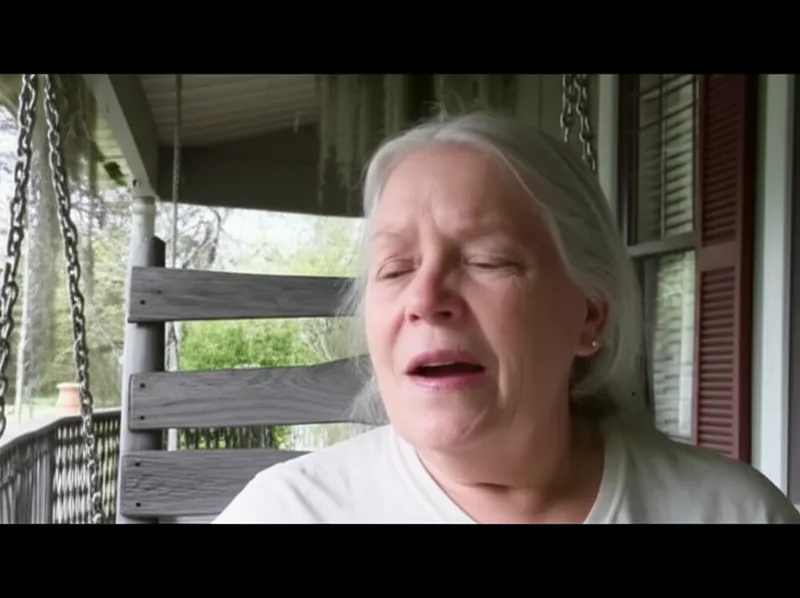
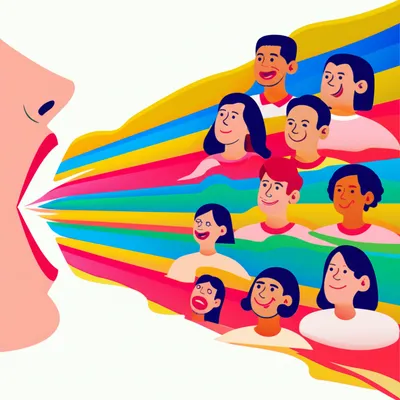
noun 다운로드 🔗공유 느릿느릿한 말투 A way of speaking slowly while lengthening vowel sounds and running words together. Characteristic of some southern US accents, as well as Scots. Examples : "Her Texas drawl made "hello" sound like "hay-yuh-loh." " 그녀의 텍사스식 느릿느릿한 말투는 "hello"를 "hay-yuh-loh"처럼 들리게 했다. language phonetics communication sound style culture AI와 채팅어휘 게임독해 연습
verb 다운로드 🔗공유 질질 끌다, 느릿느릿 말하다 To drag on slowly and heavily; to while or dawdle away time indolently. Examples : "The tired student began to drawl his answers during the late afternoon history class. " 피곤한 학생은 늦은 오후 역사 수업 시간에 대답을 질질 끌기 시작했다. language style communication AI와 채팅어휘 게임독해 연습
verb 다운로드 🔗공유 느릿느릿 말하다 To utter or pronounce in a dull, spiritless tone, as if by dragging out the utterance. Examples : "The tired student would drawl his answers during the afternoon class, making each word sound long and slow. " 피곤한 학생은 오후 수업 시간에 느릿느릿 대답하여 각 단어가 길고 느리게 들리도록 했다. language phonetics sound style communication AI와 채팅어휘 게임독해 연습
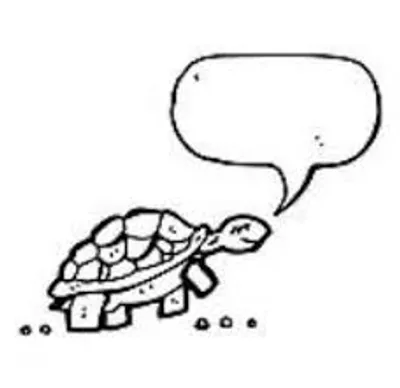
verb 다운로드 🔗공유 질질 끌다, 느릿느릿 말하다 To move slowly and heavily; move in a dull, slow, lazy manner. Examples : "The tired dog would drawl across the living room floor after a long walk. " 피곤한 개는 긴 산책 후 거실 바닥을 질질 끌며 걸어갔다. action style language communication AI와 채팅어휘 게임독해 연습
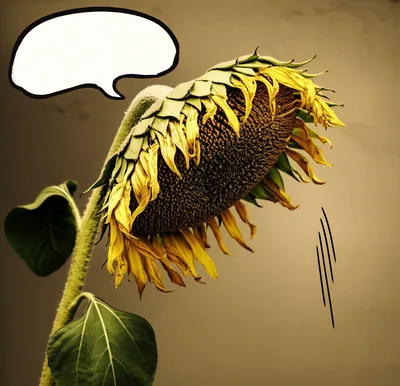
verb 다운로드 🔗공유 느릿느릿하고 무기력하게 말하다 To speak with a slow, spiritless utterance, from affectation, laziness, or lack of interest. Examples : "Example: "The student, clearly bored by the lecture, began to drawl his answers whenever the teacher called on him." " 수업에 지루함을 느낀 그 학생은 선생님이 질문할 때마다 느릿느릿하고 무기력하게 대답하기 시작했다. language communication style action character AI와 채팅어휘 게임독해 연습