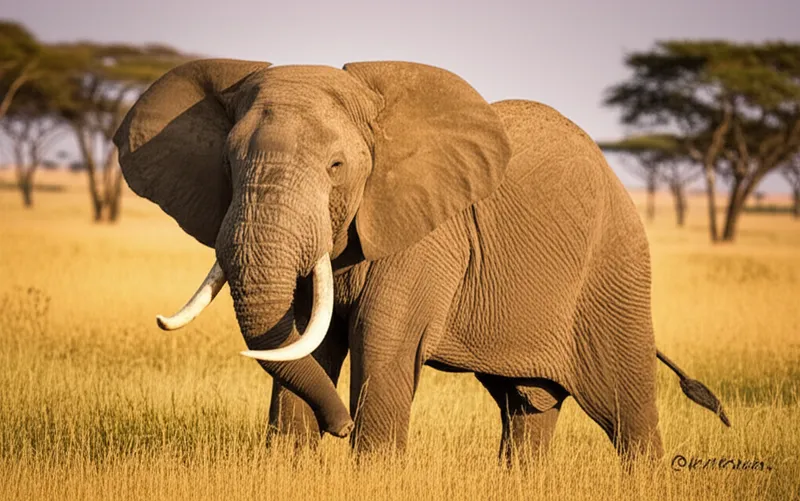
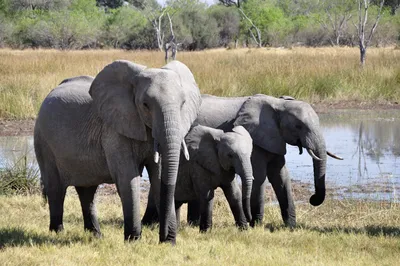
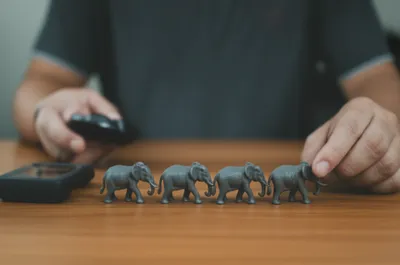
noun 다운로드 🔗공유 코끼리 A mammal of the order Proboscidea, having a trunk, and two large ivory tusks jutting from the upper jaw. Examples : "Original Sentence: "At the zoo, we saw elephants with their long trunks drinking water and using their tusks to dig in the dirt." " 동물원에서 우리는 코끼리가 긴 코로 물을 마시고 상아로 흙을 파는 것을 보았다. animal biology organism AI와 채팅어휘 게임독해 연습
noun 다운로드 🔗공유 코끼리, 거대하고 육중한 것 Anything huge and ponderous. Examples : "The moving boxes felt like elephants as I struggled to carry them up the stairs. " 이사 상자는 내가 계단을 올라가려고 애쓰는 동안 코끼리처럼 느껴졌다. animal nature AI와 채팅어휘 게임독해 연습
noun 다운로드 🔗공유 코끼리 Used when counting to add length, so that each count takes about one second Examples : "I count "one elephant, two elephants, three elephants" to estimate how long to brush my teeth. " 나는 이를 닦는 데 얼마나 걸리는지 추정하기 위해 "코끼리 하나, 코끼리 둘, 코끼리 셋"을 센다. time number AI와 채팅어휘 게임독해 연습
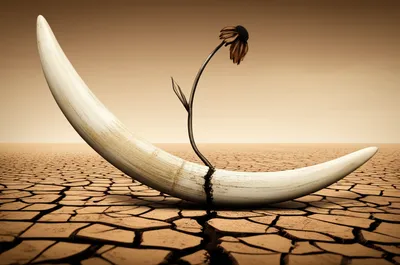
noun 다운로드 🔗공유 상아 Ivory. Examples : "The demand for elephants' tusks, a source of ivory, has led to dangerous poaching. " 상아의 원천인 상아에 대한 수요는 위험한 밀렵으로 이어졌다. animal material AI와 채팅어휘 게임독해 연습
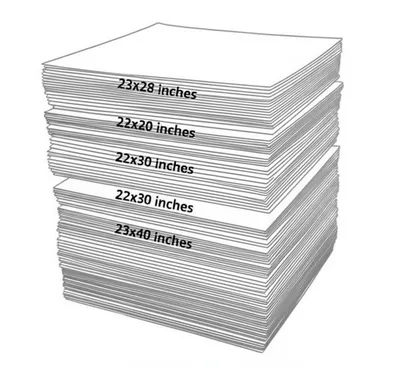
noun 다운로드 🔗공유 코끼리 종이 A large size of paper, measuring 23 by 28 inches, or sometimes 22 by 30, or (double elephant paper) 26 by 40 inches. Examples : "The architect used elephants to create large blueprints for the new skyscraper because they were the only size sheets big enough to fit the entire floor plan. " 건축가는 새로운 고층 건물의 대형 청사진을 만들기 위해 코끼리 종이를 사용했는데, 이는 전체 평면도를 담을 수 있을 만큼 큰 유일한 크기의 종이였기 때문입니다. stationery material AI와 채팅어휘 게임독해 연습