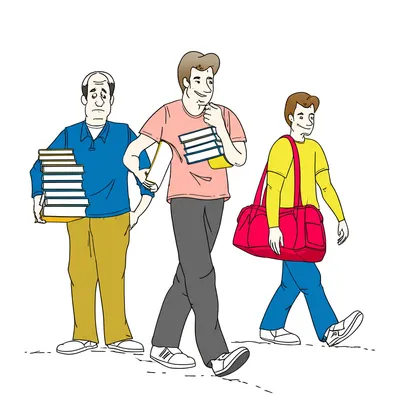
verb 다운로드 🔗공유 지치게 하다, 기진맥진하게 만들다 (used mainly in passive form) To make exhausted, tired out. Examples : "The long hike completely fagged out the group of hikers. " 긴 하이킹으로 등산객 그룹은 완전히 지쳤다. sensation condition body AI와 채팅어휘 게임독해 연습
verb 다운로드 🔗공유 지치다, 쇠약해지다 To droop; to tire. Examples : "After a long day of gardening in the hot sun, the flowers fagged. " 뜨거운 햇볕 아래에서 정원을 가꾼 긴 하루를 보낸 후, 꽃들이 시들었다. body sensation condition AI와 채팅어휘 게임독해 연습
verb 다운로드 🔗공유 심부름하다 For a younger student to act as a servant for senior students in many British boarding schools. Examples : "At Eaton, younger boys were sometimes fagged to clean the older students' rooms and polish their shoes. " 이튼에서는 어린 소년들이 때때로 선배들의 방을 청소하고 구두를 닦아주는 심부름을 했다. culture education history society AI와 채팅어휘 게임독해 연습
verb 다운로드 🔗공유 하인으로 부리다, 부려먹다 To have (a younger student) act as a servant in this way. Examples : "In the old British boarding school system, older students sometimes fagged younger boys, requiring them to clean shoes and run errands. " 옛 영국 기숙 학교 시스템에서, 나이 많은 학생들은 때때로 어린 소년들을 하인으로 부려 신발을 닦고 심부름을 시켰다. education history society AI와 채팅어휘 게임독해 연습
verb 다운로드 🔗공유 고생하다, 몹시 애쓰다 To work hard, especially on menial chores. Examples : "After a long day, the volunteers fagged away at cleaning the park, picking up trash and raking leaves. " 오랜 하루 후, 자원 봉사자들은 공원을 청소하고, 쓰레기를 줍고, 낙엽을 긁어모으느라 몹시 애썼다. work job AI와 채팅어휘 게임독해 연습