







verb🔗Share콧노래를 부르다To make a sound from the vocal chords without pronouncing any real words, with one's lips closed."We are humming happily along with the music."우리는 음악에 맞춰 즐겁게 콧노래를 부르고 있습니다.soundmusiclanguagecommunicationChat with AIVocabulary GamePractice Reading
verb🔗Share콧노래를 불렀다, 웅얼거렸다To express by humming."The team ominously hummed “We shall overcome” as they came back onto the field after the break."팀은 휴식 후 경기장으로 돌아오면서 불길하게 "We shall overcome"을 콧노래로 불렀다.soundmusiccommunicationlanguageChat with AIVocabulary GamePractice Reading
verb🔗Share웅웅거리다To drone like certain insects naturally do in motion, or sounding similarly"The bee hummed loudly as it flew from flower to flower in the garden. "벌은 정원에서 꽃에서 꽃으로 날아다니며 큰 소리로 웅웅거렸다.soundinsectnatureChat with AIVocabulary GamePractice Reading
verb🔗Share웅웅거리다, 윙윙거리다To buzz, be busily active like a beehive"The streets were humming with activity."거리는 활기로 윙윙거렸다.soundactionenergyinsectenvironmentChat with AIVocabulary GamePractice Reading
verb🔗Share콧노래를 불렀다, 웅얼거렸다To produce low sounds which blend continuously"The refrigerator hummed quietly in the kitchen. "냉장고는 부엌에서 조용히 웅얼거렸다.soundmusicChat with AIVocabulary GamePractice Reading
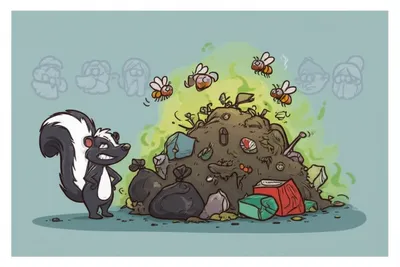
verb🔗Share악취가 나다, 고약한 냄새가 나다To reek, smell bad."This room really hums — have you ever tried spring cleaning, mate?"이 방은 정말 악취가 나는데, 봄맞이 대청소를 해본 적 있어, 친구?sensationsoundChat with AIVocabulary GamePractice Reading
verb🔗Share아첨하다, 달래다, 속이다To flatter by approving; to cajole; to deceive or impose upon; to humbug."The used car salesman hummed him along, praising the car's nonexistent fuel efficiency, until he signed the contract. "중고차 판매원은 계약서에 서명할 때까지 그에게 아첨하며, 그 차의 존재하지 않는 연비를 칭찬했다.communicationlanguagecharactermindactionChat with AIVocabulary GamePractice Reading