















noun🔗Share콧노래A hummed tune, i.e. created orally with lips closed."My little sister's humming was a cheerful little tune. "내 여동생의 콧노래는 즐거운 작은 곡조였다.musicsoundentertainmentChat with AIVocabulary GamePractice Reading
noun🔗Share웅웅거림, 윙윙거림An often indistinct sound resembling human humming."They could hear a hum coming from the kitchen, and found the dishwasher on."그들은 부엌에서 웅웅거리는 소리를 들을 수 있었고, 식기 세척기가 켜져 있는 것을 발견했다.soundChat with AIVocabulary GamePractice Reading
noun🔗Share웅성거림, 왁자지껄함Busy activity, like the buzz of a beehive."The school hallway was filled with the hums of students chatting between classes. "학교 복도는 수업 시간 사이에 학생들이 왁자지껄하게 떠드는 소리로 가득했다.soundChat with AIVocabulary GamePractice Reading
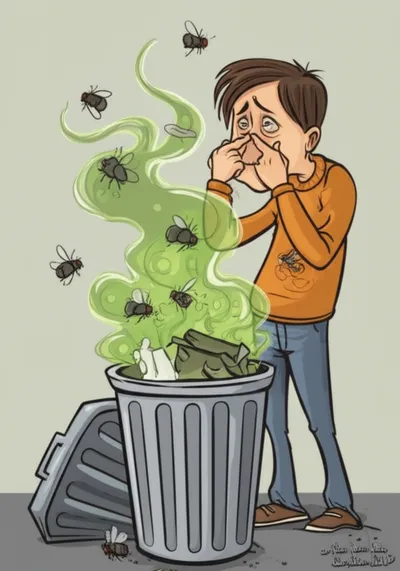
noun🔗Share악취, 고약한 냄새Unpleasant odour."The hums emanating from the overflowing garbage bin in the alleyway were strong enough to make passersby wrinkle their noses. "골목길의 넘쳐나는 쓰레기통에서 풍겨 나오는 악취는 지나가는 사람들이 코를 찡그릴 정도로 심했다.sensationconditionChat with AIVocabulary GamePractice Reading
noun🔗Share허튼소리, 사기An imposition or hoax; humbug."The politician's promises of lower taxes and better schools were widely considered hums intended to win votes. "정치인의 감세와 더 나은 학교에 대한 약속은 표를 얻기 위한 사기로 널리 여겨졌다.attitudecharactersocietynegativeChat with AIVocabulary GamePractice Reading
noun🔗Share독한 술A kind of strong drink."At the county fair, they were selling homemade ginger hums alongside the lemonade. "카운티 박람회에서 그들은 레모네이드와 함께 수제 생강 독한 술을 팔았습니다.drinkChat with AIVocabulary GamePractice Reading
noun🔗Share웅웅거림A phenomenon, or collection of phenomena, involving widespread reports of a persistent and invasive low-frequency humming, rumbling, or droning noise not audible to all people."The small town experienced a series of mysterious hums that kept residents awake at night, though some people couldn't hear them at all. "작은 마을은 밤에 주민들을 깨어 있게 하는 일련의 신비한 웅웅거림을 경험했지만, 어떤 사람들은 그것을 전혀 들을 수 없었다.soundphenomenaenvironmentsensationtechnologyphysicsfrequencysignalscienceChat with AIVocabulary GamePractice Reading
verb🔗Share콧노래를 부르다To make a sound from the vocal chords without pronouncing any real words, with one's lips closed."We are humming happily along with the music."우리는 음악에 맞춰 즐겁게 콧노래를 부르고 있습니다.musicsoundactionChat with AIVocabulary GamePractice Reading
verb🔗Share콧노래하다To express by humming."The team ominously hummed “We shall overcome” as they came back onto the field after the break."팀은 휴식 후 경기장으로 돌아오면서 불길하게 "We shall overcome"을 콧노래했다.musicsoundactioncommunicationChat with AIVocabulary GamePractice Reading
verb🔗Share웅웅거리다, 윙윙거리다To drone like certain insects naturally do in motion, or sounding similarly"The refrigerator in the kitchen often hums quietly in the background. "부엌의 냉장고는 종종 배경에서 조용히 웅웅거린다.soundnatureinsectanimalsensationChat with AIVocabulary GamePractice Reading
verb🔗Share웅웅거리다, 윙윙거리다To buzz, be busily active like a beehive"The streets were humming with activity."거리는 활기로 웅웅거렸다.soundnaturebiologyinsectChat with AIVocabulary GamePractice Reading
verb🔗Share웅얼거리다, 콧노래하다To produce low sounds which blend continuously"The refrigerator in the kitchen constantly hums. "부엌의 냉장고는 끊임없이 웅얼거린다.soundmusicsensationphysicsChat with AIVocabulary GamePractice Reading
verb🔗Share악취가 나다, 고약한 냄새가 나다To reek, smell bad."This room really hums — have you ever tried spring cleaning, mate?"이 방은 정말 악취가 나는데 — 봄맞이 대청소를 해본 적 있어, 친구?sensationnatureChat with AIVocabulary GamePractice Reading
verb🔗Share아첨하다, 달래다, 속이다To flatter by approving; to cajole; to deceive or impose upon; to humbug."The salesperson hums the customer into buying a bigger, more expensive phone, even though the customer doesn't really need it. "판매원은 고객이 실제로 필요하지 않음에도 불구하고 더 크고 더 비싼 휴대폰을 사도록 아첨한다.communicationlanguagecharactermindactionwordChat with AIVocabulary GamePractice Reading