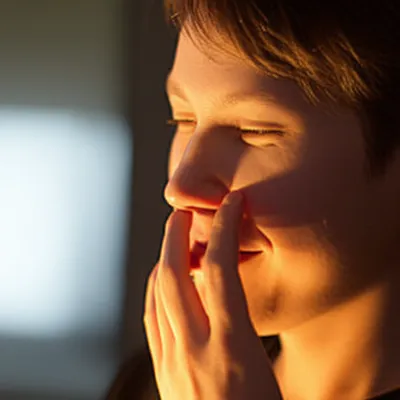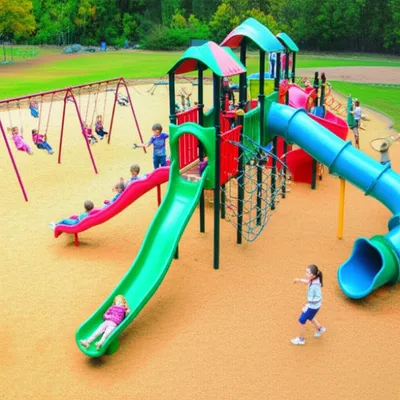




verb🔗Share웃다To show mirth, satisfaction, or derision, by peculiar movement of the muscles of the face, particularly of the mouth, causing a lighting up of the face and eyes, and usually accompanied by the emission of explosive or chuckling sounds from the chest and throat; to indulge in laughter."There were many laughing children running on the school grounds."학교 운동장에는 웃고 있는 아이들이 많이 뛰어놀고 있었다.emotionbodysoundactionentertainmenthumanphysiologysensationChat with AIVocabulary GamePractice Reading
verb🔗Share웃다, 즐거워하다To be or appear cheerful, pleasant, mirthful, lively, or brilliant; to sparkle; to sport."The children were laughing and playing in the park, their faces bright with joy. "아이들은 공원에서 웃고 놀았고, 그들의 얼굴은 기쁨으로 빛났습니다.emotionhumansensationattitudecharacterChat with AIVocabulary GamePractice Reading
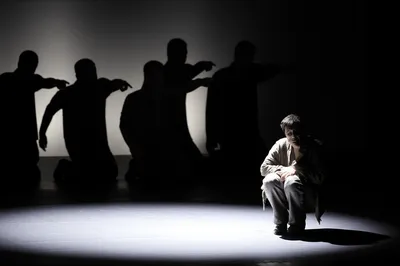
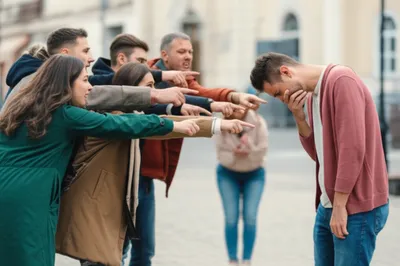
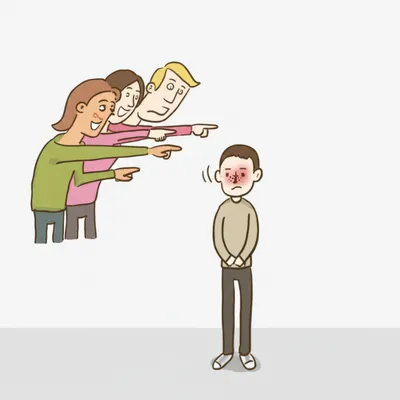
verb🔗Share비웃다, 조롱하다(followed by "at") To make an object of laughter or ridicule; to make fun of; to deride; to mock."The other children were laughing at him because he tripped and fell in the mud. "다른 아이들은 그가 넘어지고 진흙탕에 빠졌기 때문에 그를 비웃었다.attitudeactionhumanpersoncharacteremotionChat with AIVocabulary GamePractice Reading
verb🔗Share웃음이나 조롱으로 영향을 미치다To affect or influence by means of laughter or ridicule."The older students were laughing at the new kid's mismatched clothes. "나이 많은 학생들은 새 아이의 안 맞는 옷을 비웃었다.emotionactionhumancharacterattitudesensationChat with AIVocabulary GamePractice Reading
verb🔗Share웃다To express by, or utter with, laughter."The children were laughing at the clown's silly tricks. "아이들은 광대의 어리석은 속임수에 웃고 있었다.emotionactionhumanentertainmentsensationChat with AIVocabulary GamePractice Reading
noun🔗Share웃음The action of the verb to laugh."The children's laughing filled the playground with joy. "아이들의 웃음소리가 놀이터를 기쁨으로 채웠다.emotionactionsensationhumanentertainmentChat with AIVocabulary GamePractice Reading