






noun🔗Share버릇, 습관, 특유의 행동A noticeable personal habit, a verbal or other (often, but not necessarily unconscious) habitual behavior peculiar to an individual."My brother has a noticeable mannerism of tapping his foot rhythmically while he's listening. "내 동생은 듣는 동안 발을 리듬감 있게 두드리는 눈에 띄는 버릇이 있다.characterhumanmindpersonChat with AIVocabulary GamePractice Reading
noun🔗Share매너리즘, 버릇Exaggerated or affected style in art, speech, or other behavior."The student's mannerism of constantly tapping their pencil was distracting to the whole class. "학생이 끊임없이 연필을 두드리는 버릇은 반 전체의 주의를 산만하게 했다.stylecharacterChat with AIVocabulary GamePractice Reading
noun🔗Share매너리즘In literature, an ostentatious and unnatural style of the second half of the sixteenth century. In the contemporary criticism, described as a negation of the classicist equilibrium, pre-Baroque, and deforming expressiveness."The student's essay exhibited a noticeable mannerism, relying on overly dramatic language, a stylistic choice characteristic of the literary mannerism of the 16th century. "학생의 에세이는 눈에 띄는 매너리즘을 보였는데, 지나치게 과장된 언어에 의존했으며, 이는 16세기 문학 매너리즘의 특징적인 스타일 선택이었다.styleliteratureartlanguageChat with AIVocabulary GamePractice Reading
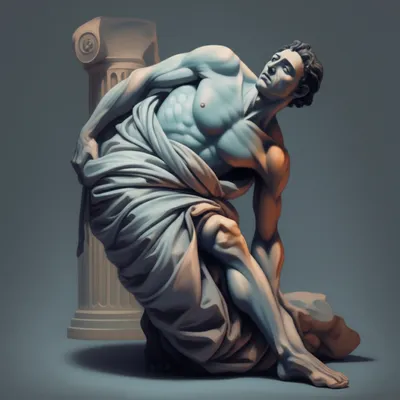
noun🔗Share매너리즘In fine art, a style that is inspired by previous models, aiming to reproduce subjects in an expressive language."The student's painting exhibited a strong mannerism, clearly inspired by the works of Rembrandt, aiming to capture the emotional depth of the subject matter. "학생의 그림은 렘브란트의 작품에서 영감을 받아 주제의 감정적 깊이를 포착하려는 강한 매너리즘을 보여주었다.artstyleChat with AIVocabulary GamePractice Reading