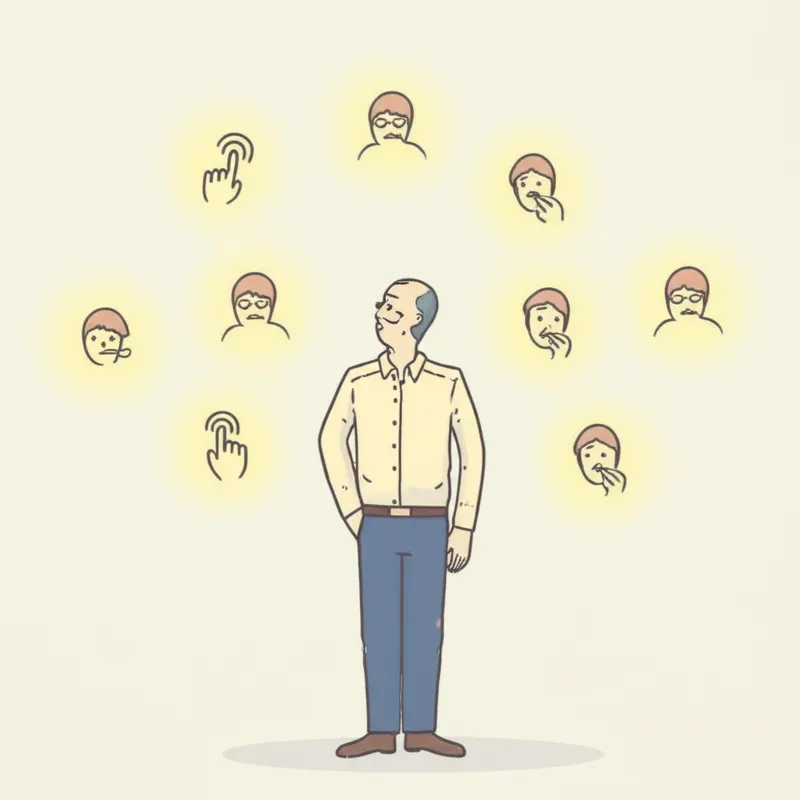


noun🔗Share버릇, 습관A noticeable personal habit, a verbal or other (often, but not necessarily unconscious) habitual behavior peculiar to an individual."My grandfather has a lot of quirky mannerisms, like tapping his foot rhythmically while he talks. "할아버지는 말씀하시는 동안 발을 리듬감 있게 두드리는 것과 같은 기이한 버릇을 많이 가지고 계십니다.humancharactermindstyleattitudeChat with AIVocabulary GamePractice Reading
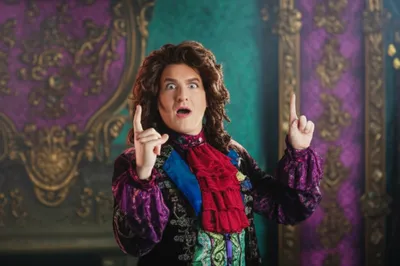
noun🔗Share특유의 버릇, 말투Exaggerated or affected style in art, speech, or other behavior."The actor's mannerisms, like constantly adjusting his tie and dramatically sighing, made his performance seem artificial. "배우의 특유의 버릇, 즉 넥타이를 계속 고쳐 매고 극적으로 한숨을 쉬는 모습은 그의 연기를 인위적으로 보이게 했다.stylecharacterappearanceattitudehumanwayChat with AIVocabulary GamePractice Reading
noun🔗Share매너리즘, 기교주의In literature, an ostentatious and unnatural style of the second half of the sixteenth century. In the contemporary criticism, described as a negation of the classicist equilibrium, pre-Baroque, and deforming expressiveness."The actor's excessive bowing and dramatic hand gestures were clear mannerisms, betraying a style more focused on showy artifice than genuine emotion. "배우의 과도한 허리와 극적인 손짓은 명백한 매너리즘이었고, 진정한 감정보다는 과시적인 인공성에 더 초점을 맞춘 스타일을 드러냈다.literaturestyleartlanguagewritinghistorycultureChat with AIVocabulary GamePractice Reading
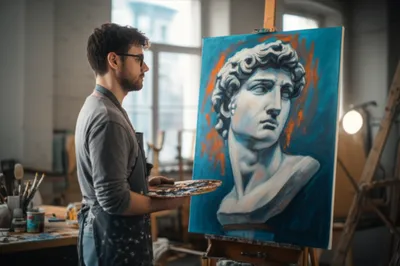
noun🔗Share매너리즘In fine art, a style that is inspired by previous models, aiming to reproduce subjects in an expressive language."The young artist imitated the master's mannerisms in his painting, exaggerating the figures' poses and using dramatic colors for an expressive effect. "젊은 예술가는 자신의 그림에서 거장의 매너리즘을 모방하여 인물들의 포즈를 과장하고 극적인 색상을 사용하여 표현적인 효과를 냈다.artstyleChat with AIVocabulary GamePractice Reading