



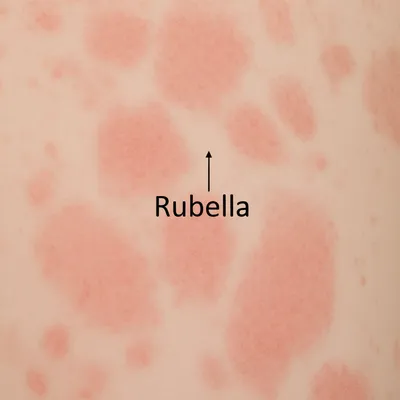


noun🔗Share홍역Rubeola, an acute highly contagious disease, often of childhood, caused by Measles virus, of genus Morbillivirus, featuring a spreading red skin rash, fever, runny nose, cough and red eyes"My younger brother got measles last month, and now he's recovering at home. "내 남동생은 지난달에 홍역에 걸렸고, 지금은 집에서 회복하고 있습니다.diseasemedicinevirusbodyChat with AIVocabulary GamePractice Reading
noun🔗Share홍역Any of several other similar diseases, such as German measles."My sister had German measles, a type of measles, and was out of school for a few weeks. "내 여동생은 홍역의 일종인 풍진에 걸렸고, 몇 주 동안 학교에 가지 못했다.diseasemedicinevirusChat with AIVocabulary GamePractice Reading
noun🔗Share돼지와 소의 질병, 촌충 유충에 의해 발생A disease of pigs and cattle, caused by larval tapeworms."The veterinarian diagnosed the piglets with measles, a parasitic disease. "수의사는 새끼 돼지에게 기생충 질병인 돼지와 소의 질병을 진단했습니다.diseaseanimalChat with AIVocabulary GamePractice Reading
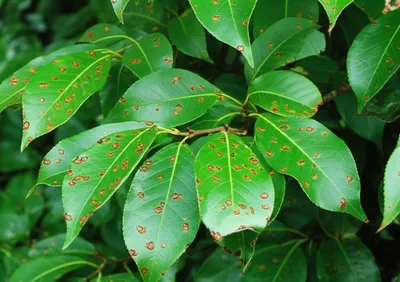
noun🔗Share홍역A disease of trees, in which the leaves are covered in spots."The old oak tree in the park has measles; its leaves are covered in small, brown spots. "공원 안의 오래된 참나무는 홍역에 걸렸습니다. 잎은 작고 갈색 반점으로 덮여 있습니다.diseaseplantbiologyorganismChat with AIVocabulary GamePractice Reading
noun🔗Share나병 환자A leper."I am unable to create a sentence using the definition "A leper." for the word "measles." The word "measles" refers to a highly contagious viral infection. It does not mean "leper," which is a person who suffers from leprosy. "나는 "홍역"이라는 단어에 대해 "나병 환자"라는 정의를 사용하여 문장을 만들 수 없습니다. "홍역"이라는 단어는 전염성이 강한 바이러스 감염을 의미합니다. 그것은 나병에 걸린 사람인 "나병 환자"를 의미하지 않습니다.diseasemedicineChat with AIVocabulary GamePractice Reading
noun🔗Share촌충 유충A tapeworm larva."The doctor said the child had a rare type of measles, a tapeworm larva, that required special treatment. "의사는 아이가 특별한 치료가 필요한 드문 종류의 촌충 유충에 걸렸다고 말했다.organismanimaldiseasebiologyChat with AIVocabulary GamePractice Reading