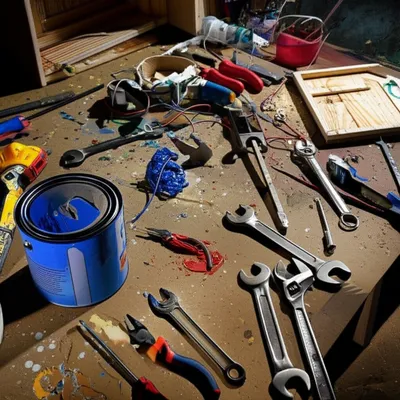
verb 다운로드 🔗공유 엉망으로 만들다, 망치다 (transitive, often used with "up") To make untidy or dirty. Examples : "The children were messing up the living room with their toys. " 아이들은 장난감으로 거실을 엉망으로 만들고 있었다. appearance action AI와 채팅어휘 게임독해 연습
verb 다운로드 🔗공유 망치다, 엉망으로 만들다 (transitive, often used with "up") To throw into disorder or to ruin. Examples : "The children were messing up the living room with their toys. " 아이들은 장난감으로 거실을 엉망으로 만들고 있었다. action situation negative word AI와 채팅어휘 게임독해 연습
verb 다운로드 🔗공유 간섭하다, 참견하다 To interfere. Examples : ""Please stop messing with my phone; I'm trying to use it." " 제 전화에 간섭하는 것을 멈춰주세요. 사용하려고 하거든요. action attitude AI와 채팅어휘 게임독해 연습
verb 다운로드 🔗공유 건드리다, 괴롭히다 (used with "with") To screw around with, to bother, to be annoying to. Examples : "Stop messing with me!" 나 좀 그만 괴롭혀! attitude action AI와 채팅어휘 게임독해 연습
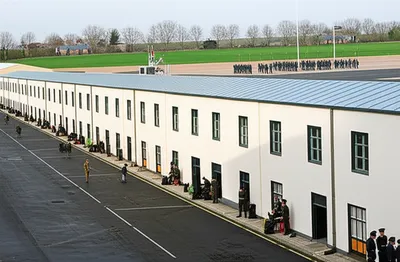
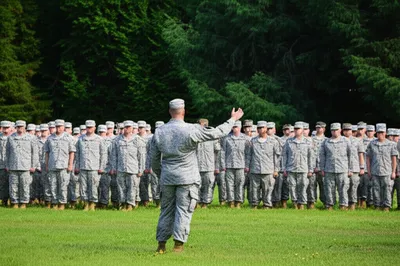
verb 다운로드 🔗공유 패거리와 함께 식사하다 To take meals with a mess. Examples : ""During the army training, the soldiers were messing with their platoon every evening." " 군사 훈련 동안, 병사들은 매일 저녁 소대와 함께 식사했다. food AI와 채팅어휘 게임독해 연습
verb 다운로드 🔗공유 엉망진창에 속하다 To belong to a mess. Examples : ""As a new recruit, John is now messing with the other soldiers in the barracks." " 신병인 존은 이제 병영에서 다른 병사들과 함께 엉망진창에 속한다. action AI와 채팅어휘 게임독해 연습
verb 다운로드 🔗공유 식사하다, 먹다 To eat (with others). Examples : "I mess with the wardroom officers." 나는 사관실 장교들과 함께 식사한다. food group AI와 채팅어휘 게임독해 연습
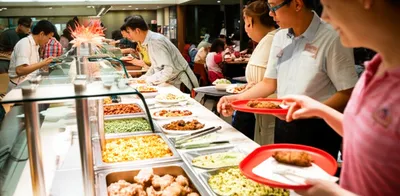
verb 다운로드 🔗공유 식사를 제공하다 To supply with a mess. Examples : "The cook is messing the soldiers in the cafeteria now, serving them their lunch. " 요리사는 지금 카페에서 병사들에게 점심을 제공하고 있습니다. food AI와 채팅어휘 게임독해 연습